RSS Feed

Category Archives: Culinary Hopscotch

Happy Valentine’s Day

Posted on
A certain Senator turned me on to a particular rosé wine called Domaines Ott. It’s from the south of France, and that sweet, sweet nectar should be required in the south of California as the 6th food group.

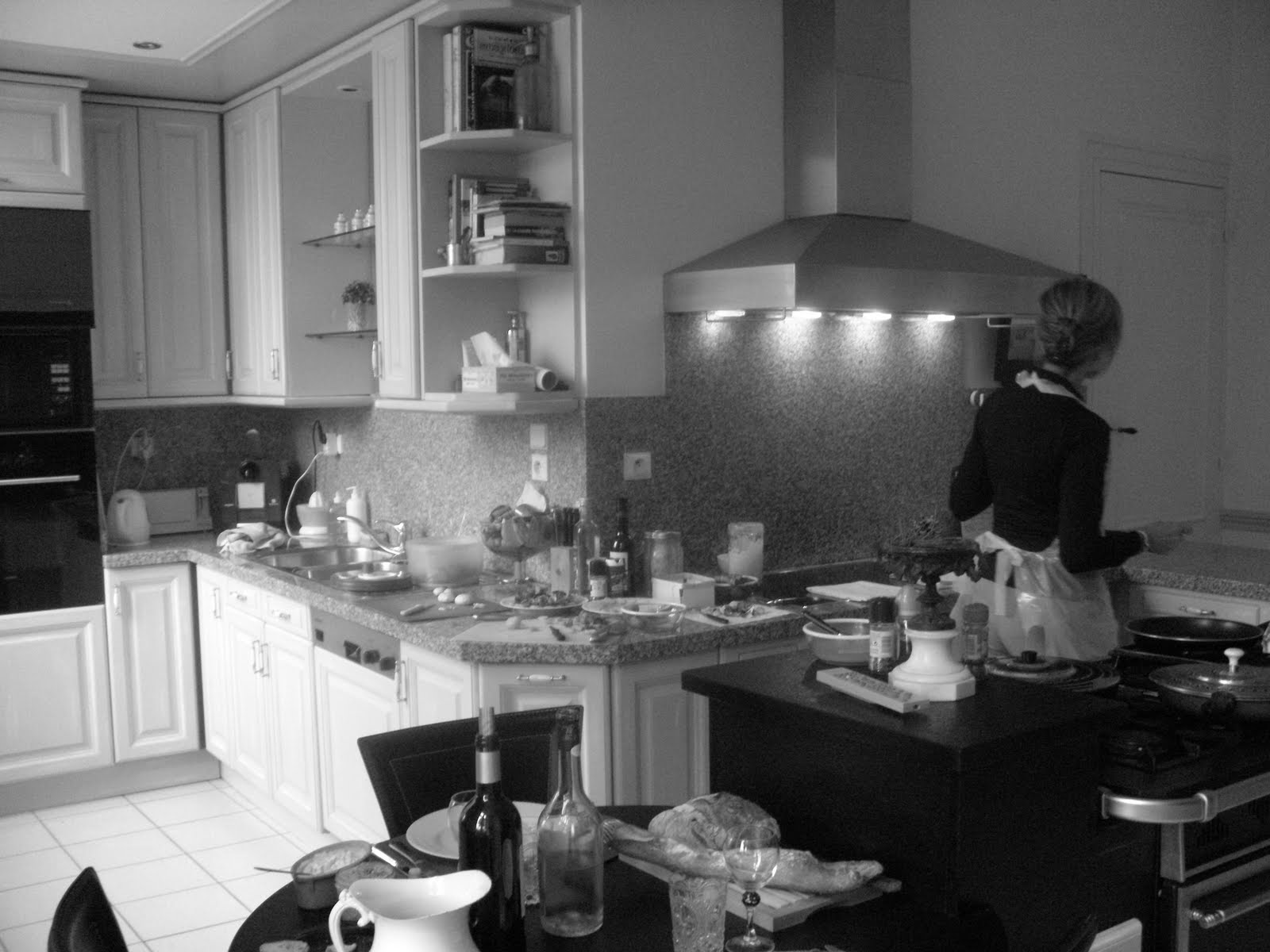
Ally and I picked up a bottle in St. Germain near Notre Dame to enjoy over our homemade dinner tonight of pesto pasta (and a caprese salad for me) at the apartment. It was our attempt to channel southern France in a climate that more closely resembles the north pole.

Happy Valentine’s Day to everyone from Paris…the city of love, Valentine’s-colored wine, and completely frigid weather. And of course, thank you to my Senator who enjoyed his own bottle today satellite-Valentine’s-style in sunny southern California.

Madrid On the Go

Posted on
Buenos dias, Madrid! I decided I’d write this blog today in a different format: on the go. Why? Because, again, I’m in a city without a cooking class, so I plan to maximize my day-point-five here by walking around and getting to some restaurants and markets I missed in October. I’m so happy to be back here. I really love this city.

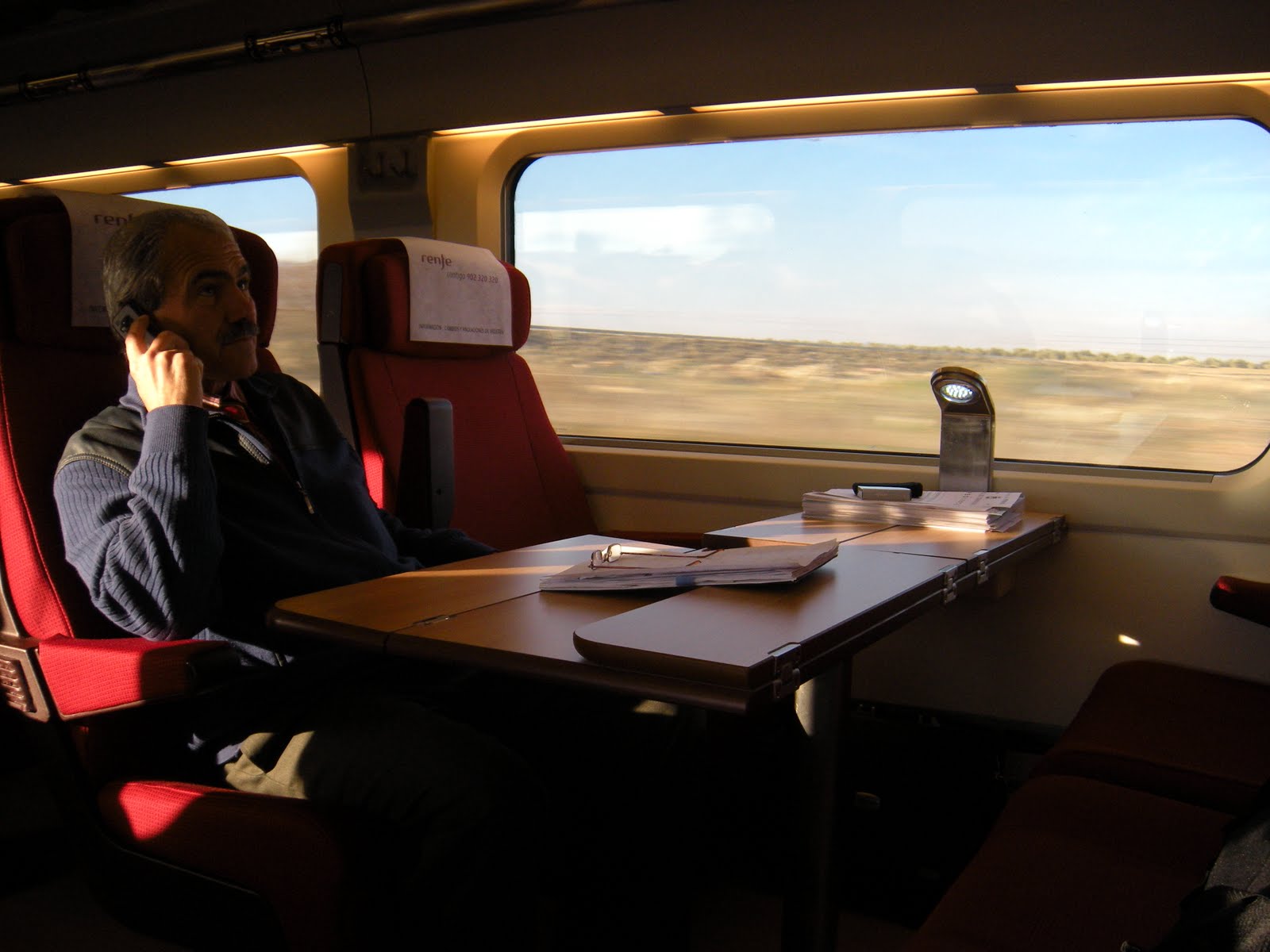
I arrived on the highspeed AVE train from Sevilla at 10:00 this morning (early, I might add), and if anyone is considering traveling between the two cities, you won’t be sorry if you take this train. Modern is an understatement. The seats were as big as business class on a 747, and along the left-hand side of the train, it was single seats only at the window. That’s where I enjoyed Slumdog Millionaire from as we whisked along the rails for the 2.5-hour journey. Cake.

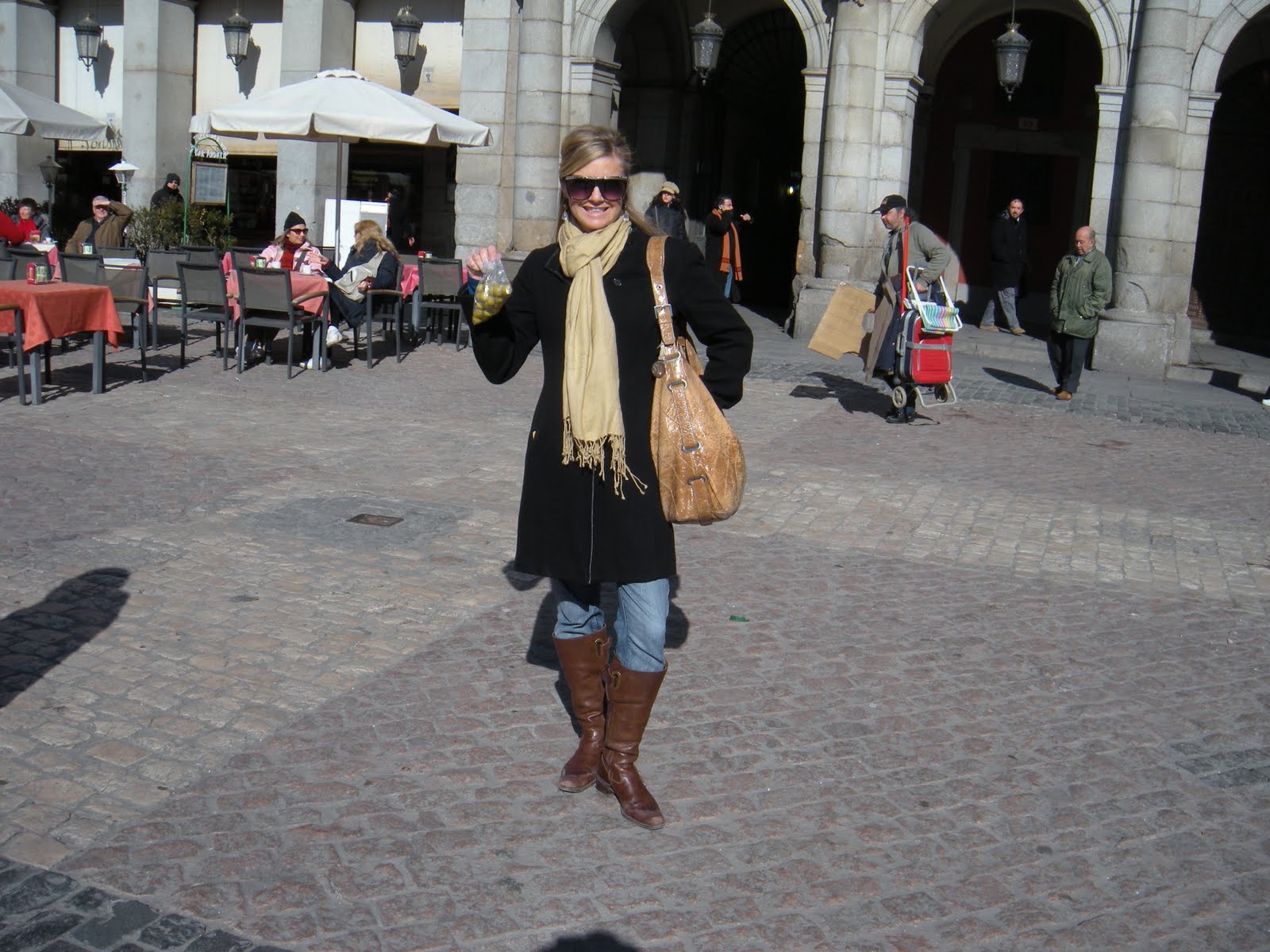
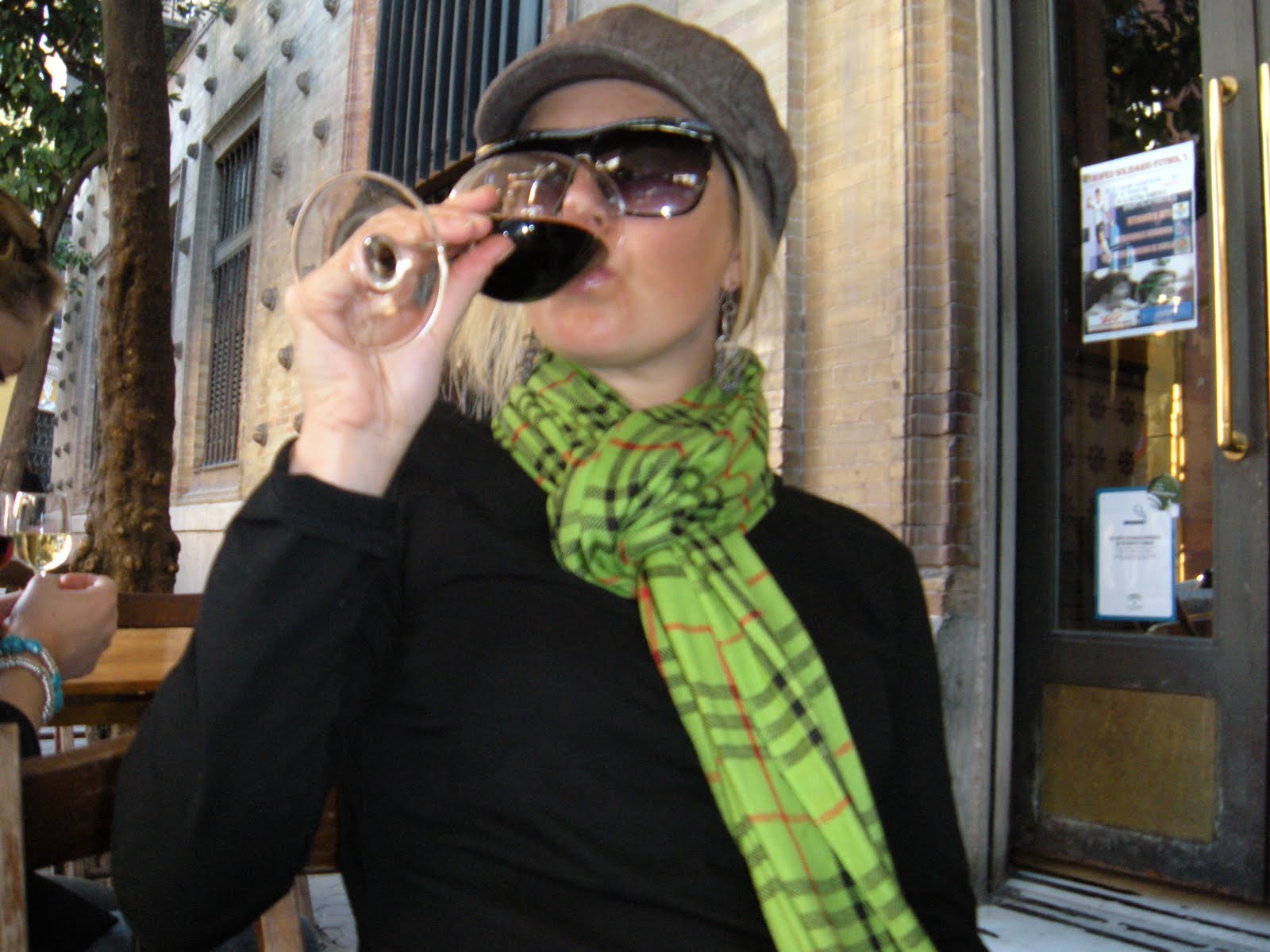
So, where am I right now? Well, I’m sitting in the Mercado de San Miguel off Plaza Mayor. I just helped myself to two pieces of Manchego cheese on toast and a glass of red wine, and I’m watching Madrid live around me. This is actually my second market of the day. Just down from where I’m staying is Mercado Anton Martin. It’s pretty traditional and has all the requisite stalls of a normal European market. There, I bought a bag of green olives from Sevilla for €1.75, and they will be my co-pilots on my journey today as I guide myself around the city. Let’s go olives…we’re hitting the road.

Next Stop: Casa del Abuelo for the shrimp in garlic oil tapa
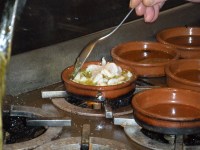
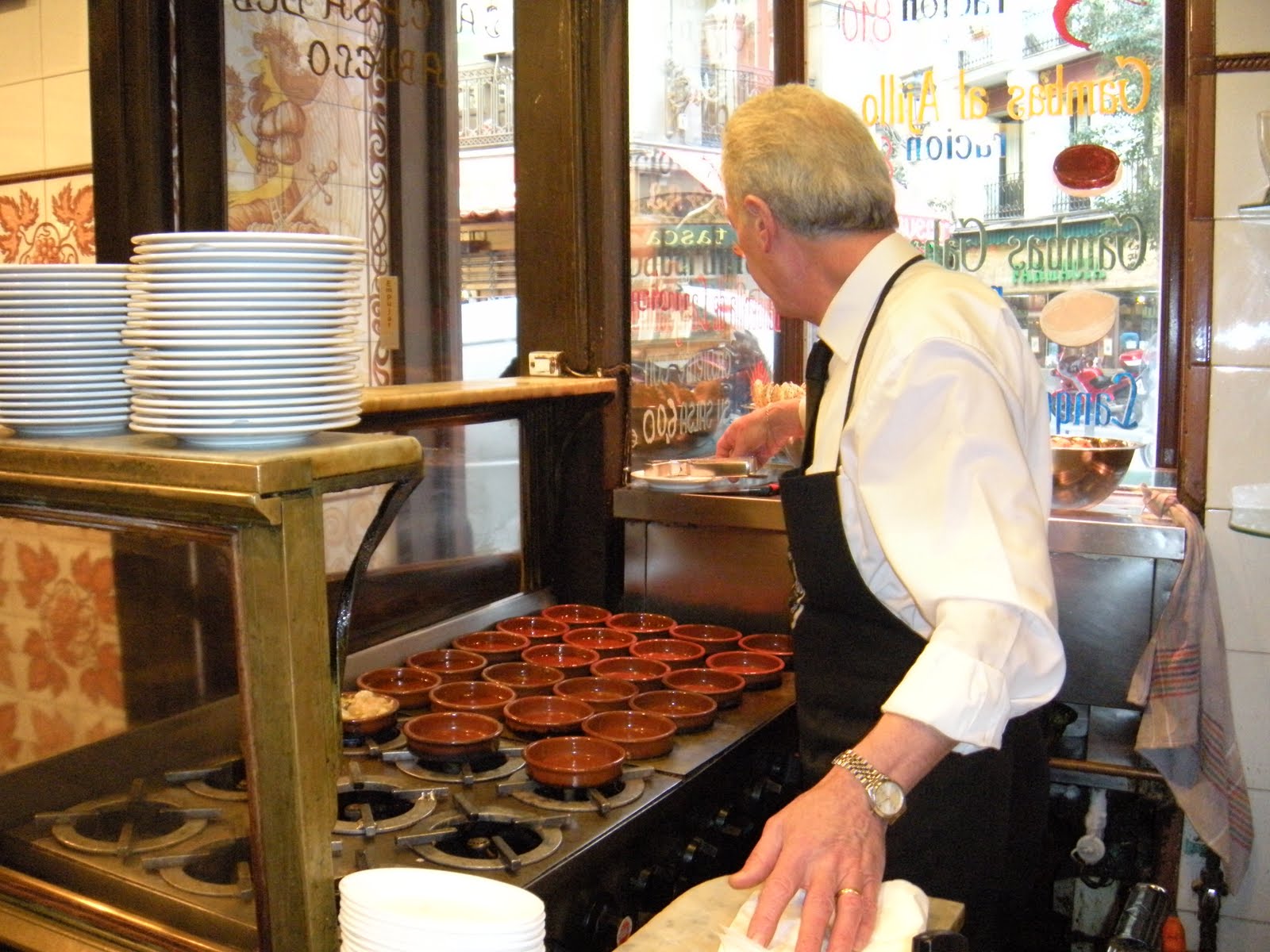
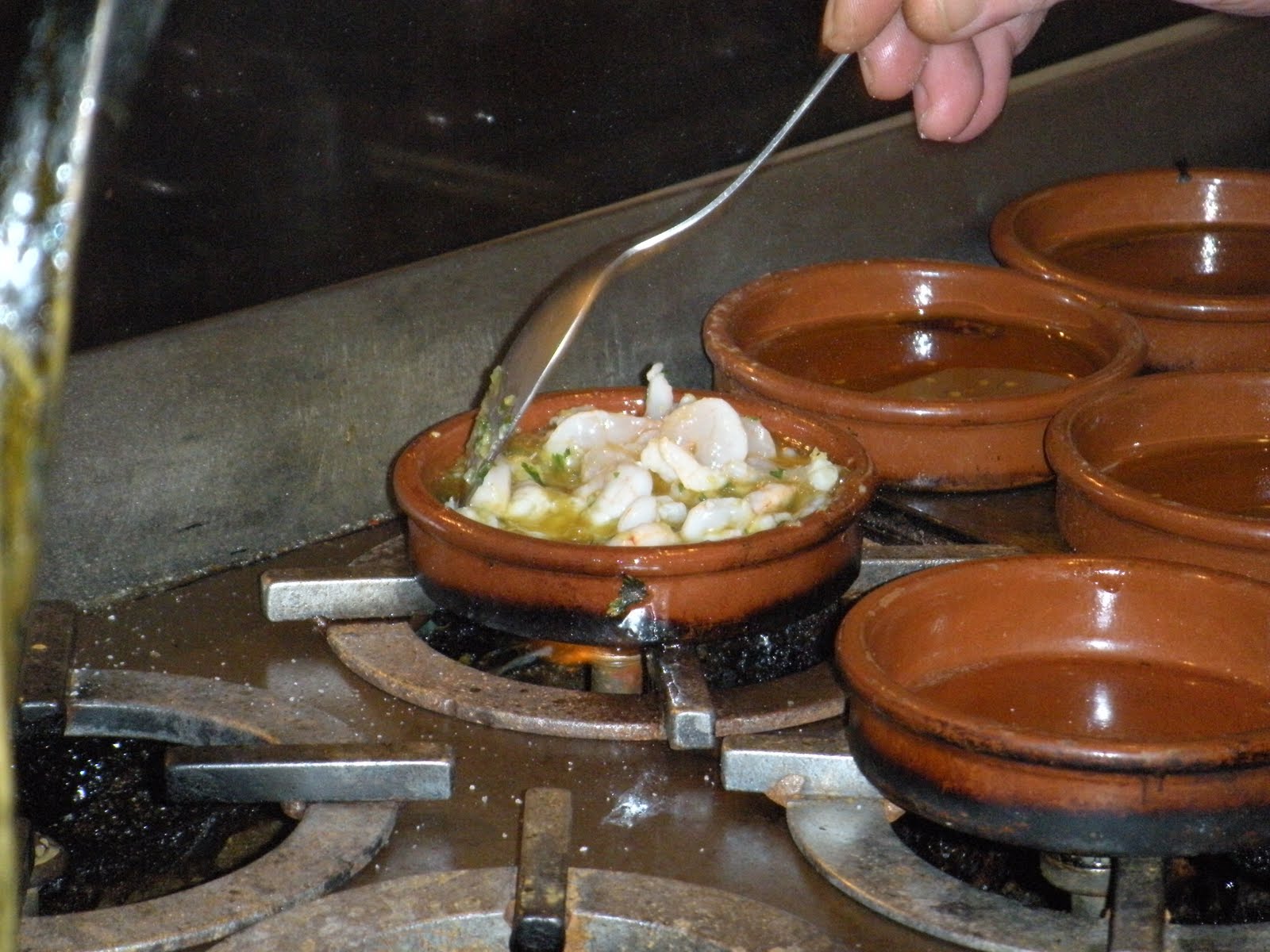
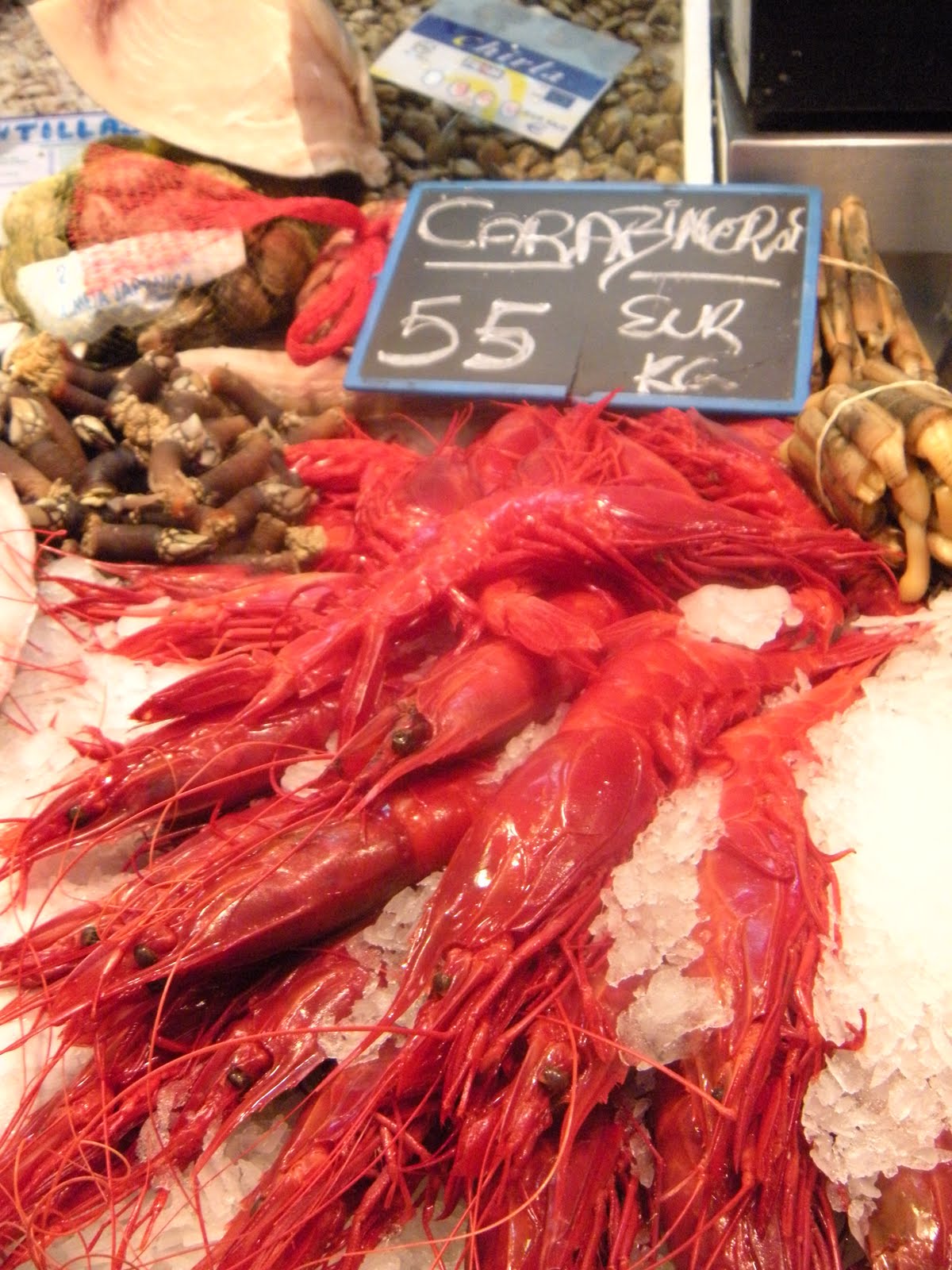
I don’t even know where to begin about the Gambas a Ajillo at Abuelo. They were spicy, buttery, and I can’t even figure out how that combination is possible, especially since they have no butter in them. In a ceramic dish over an open flame, the man sautéed baby shrimp in olive oil and garlic with a red chili. C’est tout. The taste had me almost drinking the remnants in the ramekin. The restaurant was so small, but actually has two locations, the other at the wedge of Calle de Nunez de Arce and Calle La Cruz, where they serve only drinks and traditional Iberian ham.

The master cutter (no, not an emo with eyeliner) started talking to me over my shrimp, and invited me across the street to try their ham. I obliged and watched a DVD about how the ham from these particular pigs are different: they’re black with longer snouts, floppy ears, and the environment in which they nosh on acorns, which gives them their marble, is totally natural. This ham is actually good for you. Over ham and more Abuelo wine, he and I chatted about his experiences working as a ham cutter at Harrod’s in London under Al Fayed, and also working with chefs like Gordon Ramsay and Jaime Oliver. Where do I find these people? There are no seats at either Abuelo…it’s standing room only, but well worth the €13.30 I spent on three Dixie glasses of good wine, the shrimp, and my ham tasting. I think I was given a guapa discount though.

Casa del Abuelo
C/ de Nunez de Arce 5

Next Stop: Dubliners Irish Pub…in search of the Romanian bartender Court & I met in October

Well, he’s not here, and I just wanted to say hi. Evidently, he works at the bar around the corner now where Court and I bought the blue light glasses. It’s closed right now, but don’t worry–the Coronitas still flow freely here, and are served in buckets if you need a dose of Cabo in the 35-degree weather.

Dubliners
C/  Espoz y Minas

Next Stop: Lhardy Pasteleria

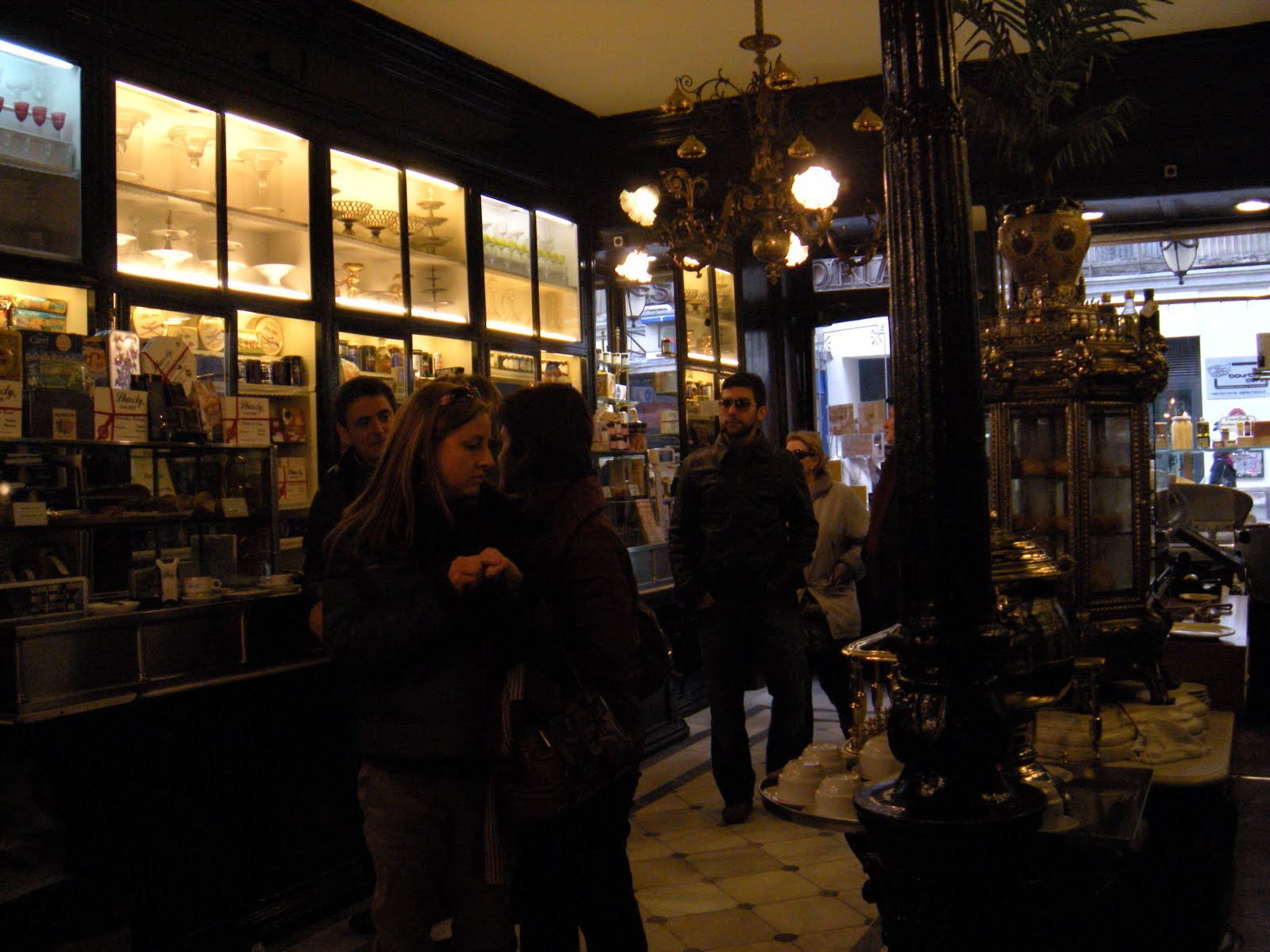
Right around the corner from Dubliners and Abuelo was Lhardy Pasteleria. Their aprons were embroidered with the date 1832, so clearly this place was old. And again, tiny. Different from other places in Madrid, Lhardy is a serve-yourself place where you can sample different strong wines, consommés, and other aperativs. For €2.50, I sampled a tiny glass of Madera wine. It was very strong, and a bit sweet for my liking, but I did like the ambiance in this place. Again, nowhere to sit, but you could tell it wasn’t a place where people linger for long. They’d have a drink, and maybe a snack, and then move on to the next destination. For me, it was Sephora to borrow a bit of the new Marc Jacobs fragrance.

Lhardy Pasteleria
Carrera de San Jerónimo, 8

Next Stop: Siesta

Back at the hostel, I slept off  the earlier part of the day in an attempt to ward off fatigue for the evening. It worked.

Next Stop: Plaza Mayor for Carnivale

This was interesting. A man suspended in the air playing a piano as random images and movies were projected on to the top of the piano for the audience to see. I didn’t last long here.

Next Stop: La Negra Tomasa

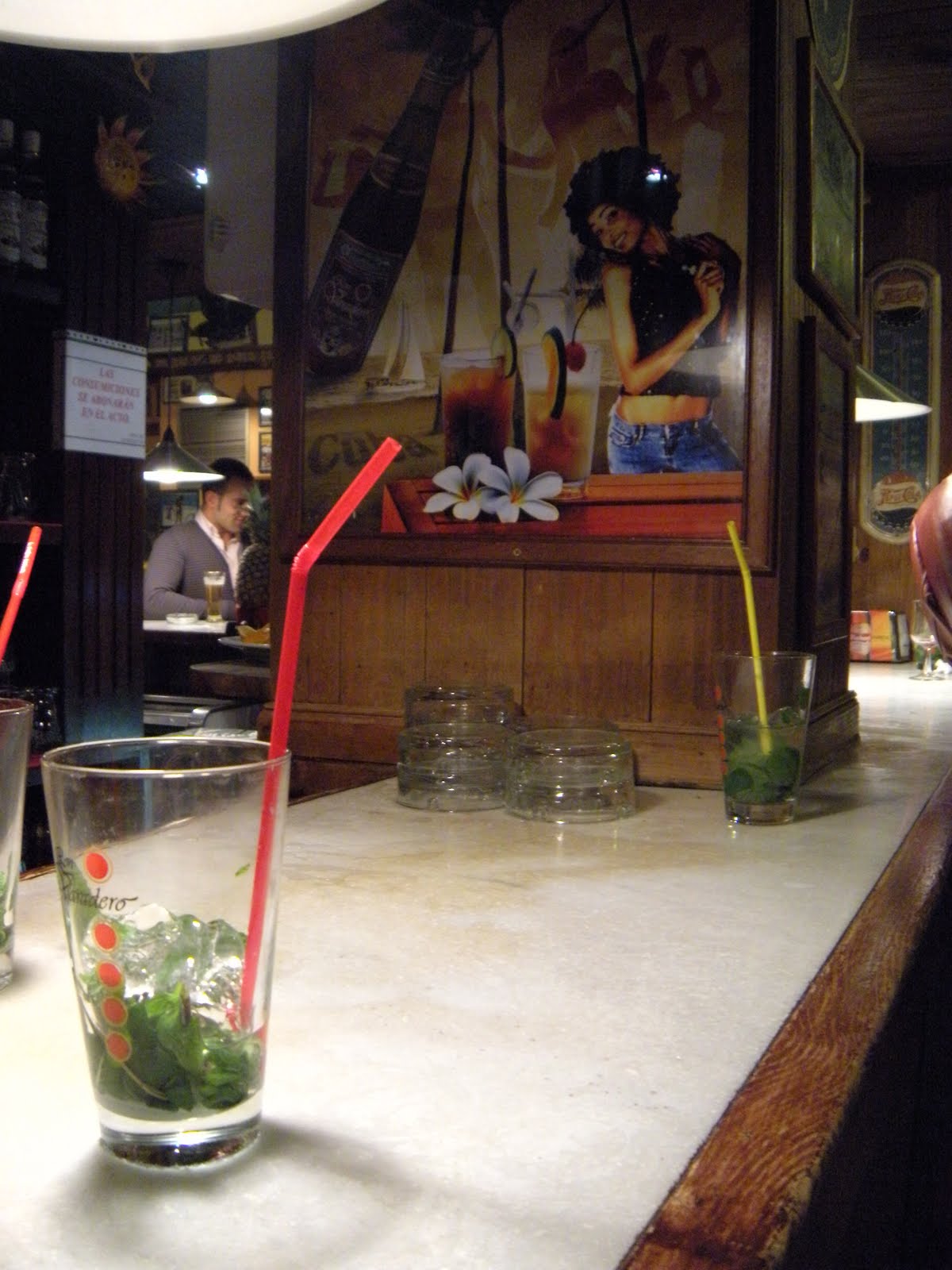
La Negra Tomasa is a typical Cuban themed bar. In true Bolivian fashion (thank you to my hostel mate from Argentina for informing me of this euphamism), the walls were littered with license plates and posters. And of course, everyone, including me, was drinking mojitos. It was good, but not great. The one in Barcelona trumped it ten-fold. Also, there was supposed to be live, Cuban jazz, but that was nowhere to be found. Perhaps it started later. Time to move on.

La Negra Tomasa
C/ Espoz y Minas (directly across the street from Dubliners)

Next Stop: O’Reilly’s

‘Two Irish pubs in one day?’, you’re asking yourself. The answer is yes. I was determined to find the Romanian bartender, and I did at O’Reilly’s just like the man at Dubliners promised me. It was meant to be a momentary blip on the radar screen, but of course I stayed all night. He nearly jumped over the bar when he saw me, and was pretty shocked to see me back in Madrid. We caught up, I gave him my Essential Book of Foreign Swear Words, we passed it around the bar and everyone cracked up, ate some Nestle Crunch bar, and of course, drank too many beers compliments of the Bristol rugby team (hope they win today). I wouldn’t be making it to the color-changing toilets this evening; no way, no how. Back to the hostel, and into bed quietly to recoup my energy for my last day in Espagna.

€39.50 total for the day (roughly $53). Not bad for a 15-hour day…

Next Stop: Back to Paris for a few days to meet up with Ally!

Cooking Class #4: Setting the Table Sevilla Style

Posted on

“In true fashion, most people don’t decide what they want to be until they’re 30 or so.” ~ Ruth Roberts


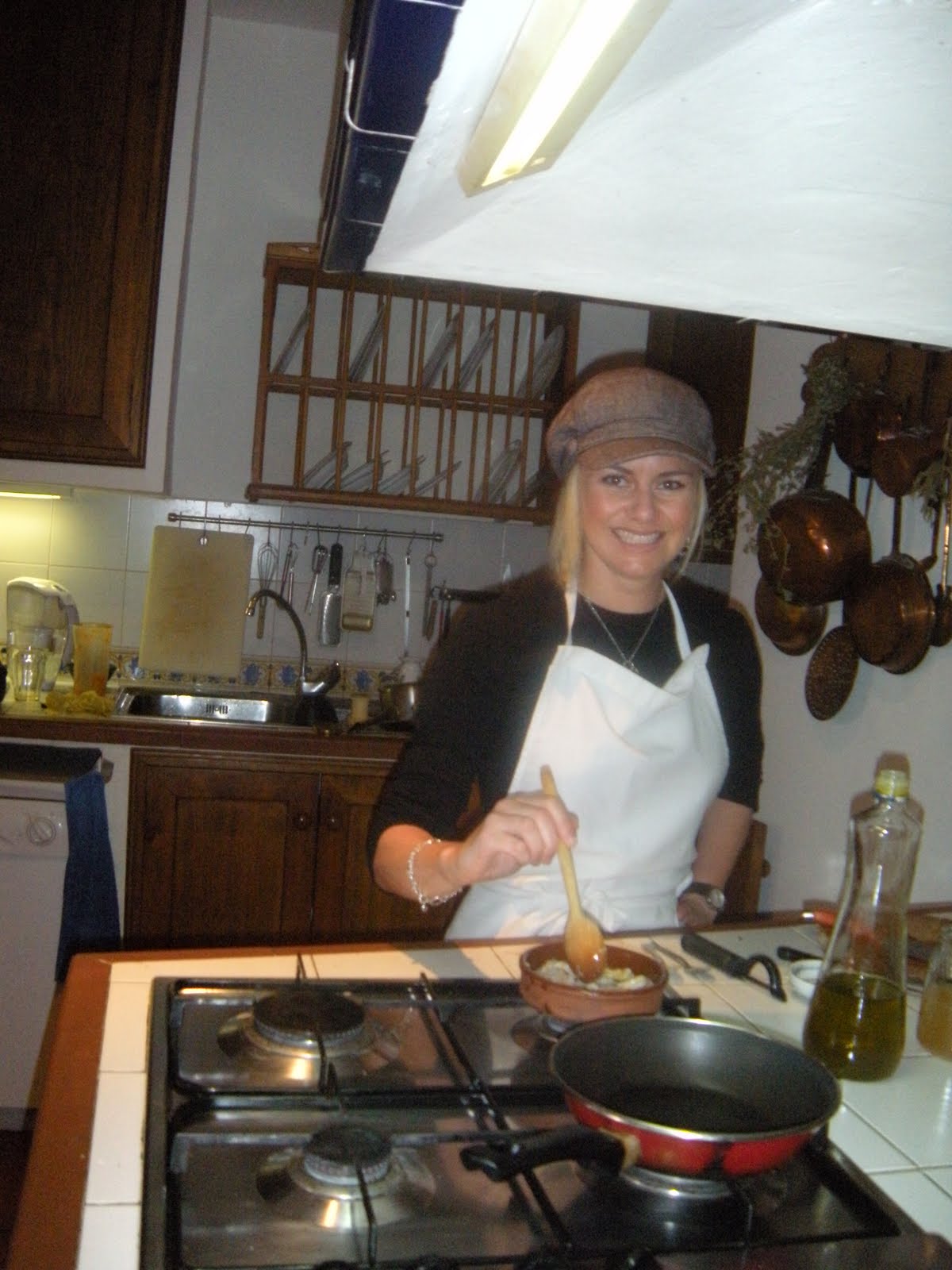
Could Ruth, my instructor, today have been more spot on in validating the reason for this adventure? This was her response when I asked her how she got started cooking. Her background in the sport was marbled like a good piece of meat. She took a class in France, and landed a job cooking elaborate lunches for bankers in Madrid. As she told me, a lot of the skill in cooking comes from learning as you go, and I’d learn a notebook full in my class today in Sevilla. There will be tips in this particular blog, so keep reading if you’re interesting in learning what they are!

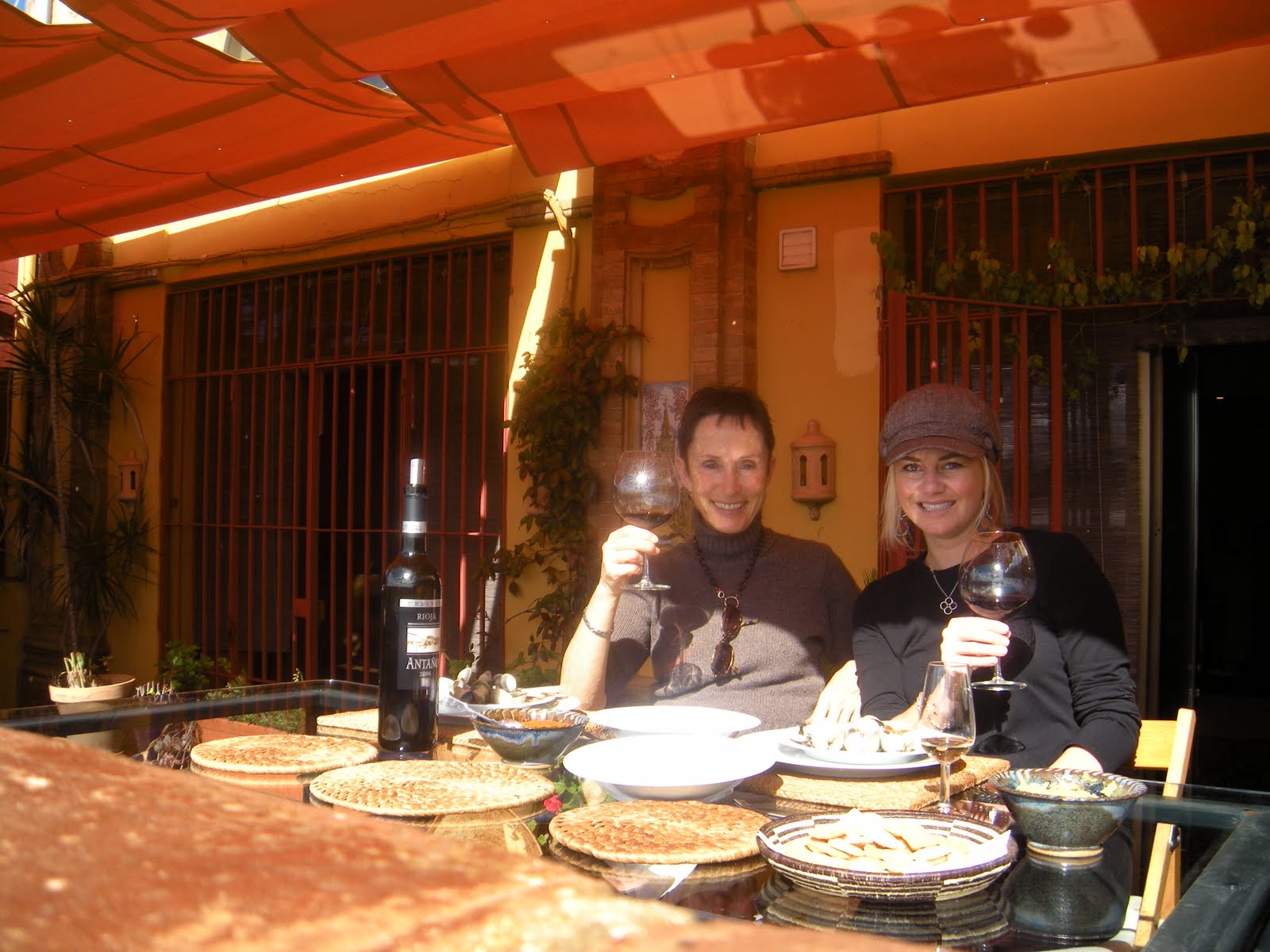
We started out at the market, and decided on a menu of Tapenade de Aceitunas Verdes y Almendras (olive and almond tapenade), Gambas Al Ajillo (prawns in garlic oil), Razor and Regular Clams,  Escalivada con Salsa Romesco (baked vegetables with a vinaigrette and romesco sauce), and Dorada a la Sal (Sea Bream baked in a salt crust). Our sweet was Mantecados, a traditional Spanish powdered sugar cookie. 

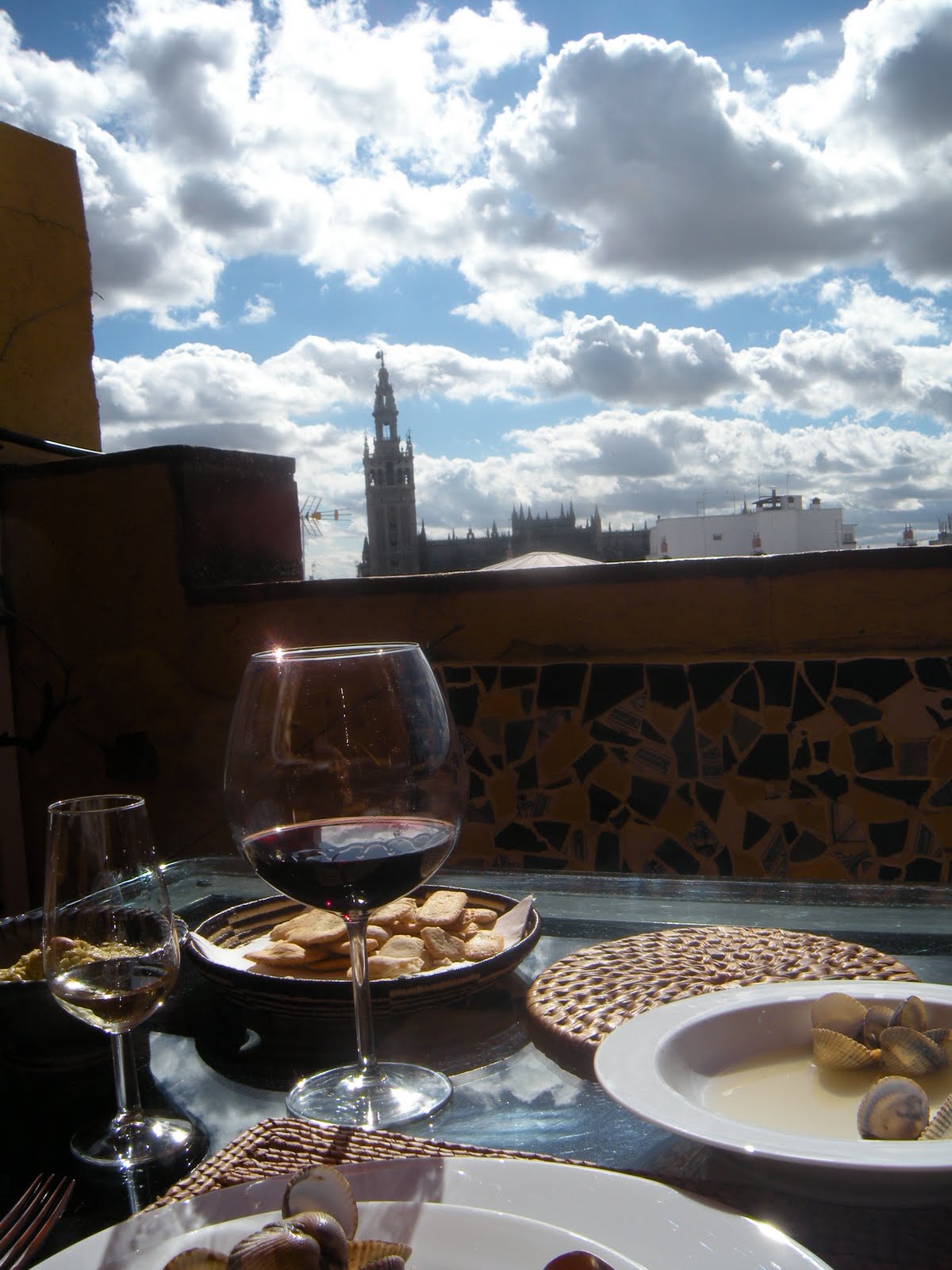
After carting our loot home, we got straight to work in Ruth’s kitchen. Her home was beautiful, and the view was amazing on a day when the sun finally decided to show his face. The cumulus clouds were a perfect contrast to the bright, blue sky, and the skyline a perfect backdrop for our lunch on the terrace. 


Now, for the tips and information:  

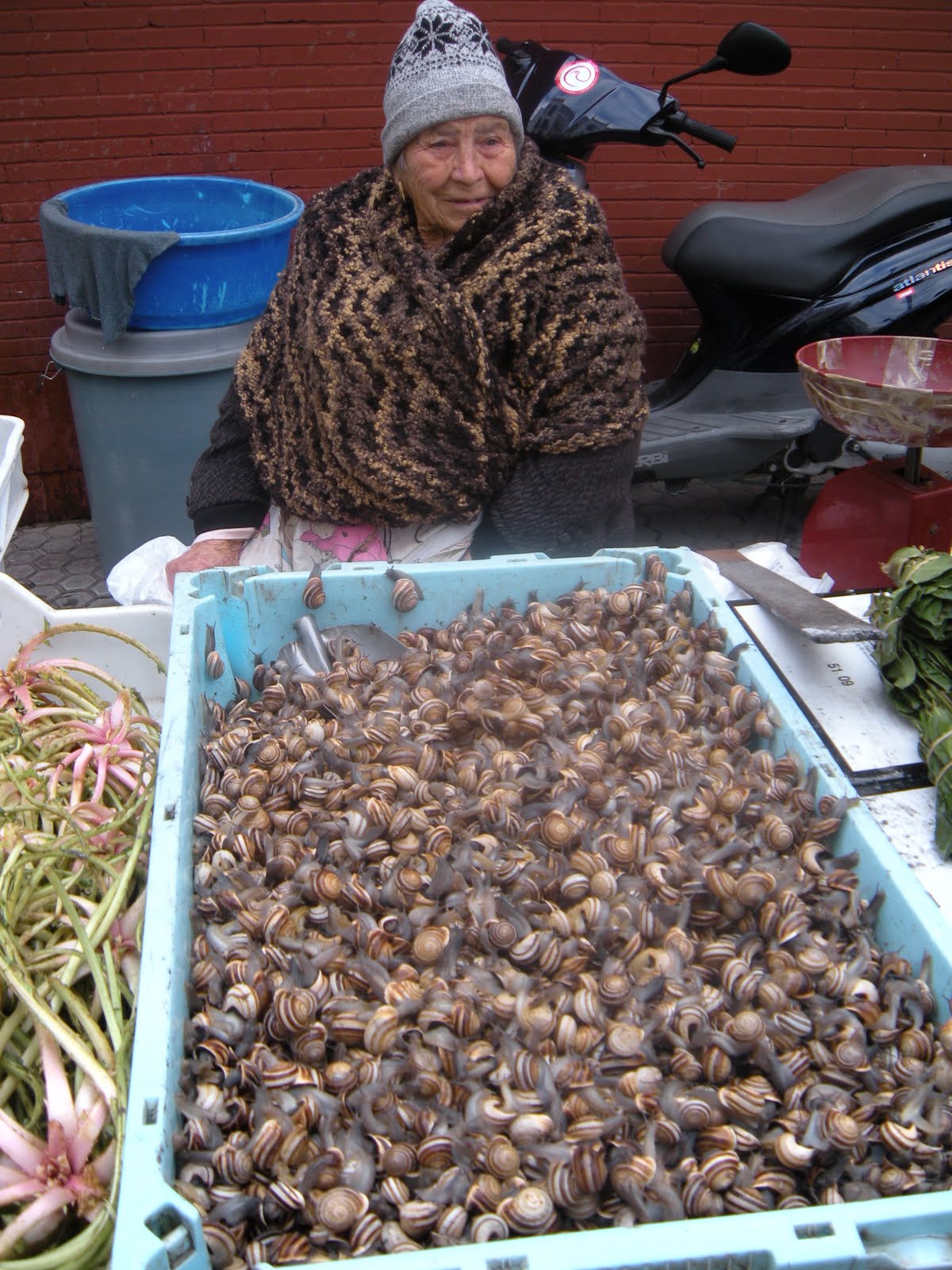
  • In Sevilla, they eat TONS of fish. Most of the stalls at the market were fresh fish mongers, and popular varietals include baby shark, cuttlefish, dorada (this is what we made), razor clams, monkfish, hake, swordfish, and more. If you don’t like fish, don’t come to Sevilla. You’ll be bummed!
  • When roasting whole eggplants (or aubergines), prick them before putting them into the oven. If you don’t, it will explode and you’ll spend more time than you care to know cleaning it up.
  • Do you know how to peel a whole, roasted pepper? After you remove it from the oven, wrap it in tinfoil and then in newspaper or a paper back to let it cool. The skin will peel right off. If you leave it out to cool, the skikn will stick back to the pepper.
  • Don’t discard the more tender unused artichoke leaves.  Boil them in water for about 10-15 minutes and strain out the leaves. The resulting water was really refreshing, and it’s good for your liver.
  • To make your own dried herbs, hang them to dry (like you would roses), or dry them in a lower oven. When they’re dry, strip them from their stems, grind them in a coffee grinder (I’ll be purchasing one of these and I hate coffee), and jar them. Fresh, dried herbs for years.
  • To make a proper stock (fish, meat, or veg), you should always start with cold water so the flavor comes out of what you’re boiling instead of getting trapped inside.

Ok, so that brings me to the end of the tips. As you can see, I learned a lot during this one-on-one lesson about Spanish cuisine, although it was more tailored to the cuisine of Sevilla. Dining on Ruth’s veranda over the meal we put together was phenomenal. Our menu was fresh, healthy, and most importantly, simple (it probably sounds much more elaborate than it was). I wouldn’t hesitate to entertain with this menu because of the speed with which it could be put together. With practice, I could have all of this done in an hour, I suppose.

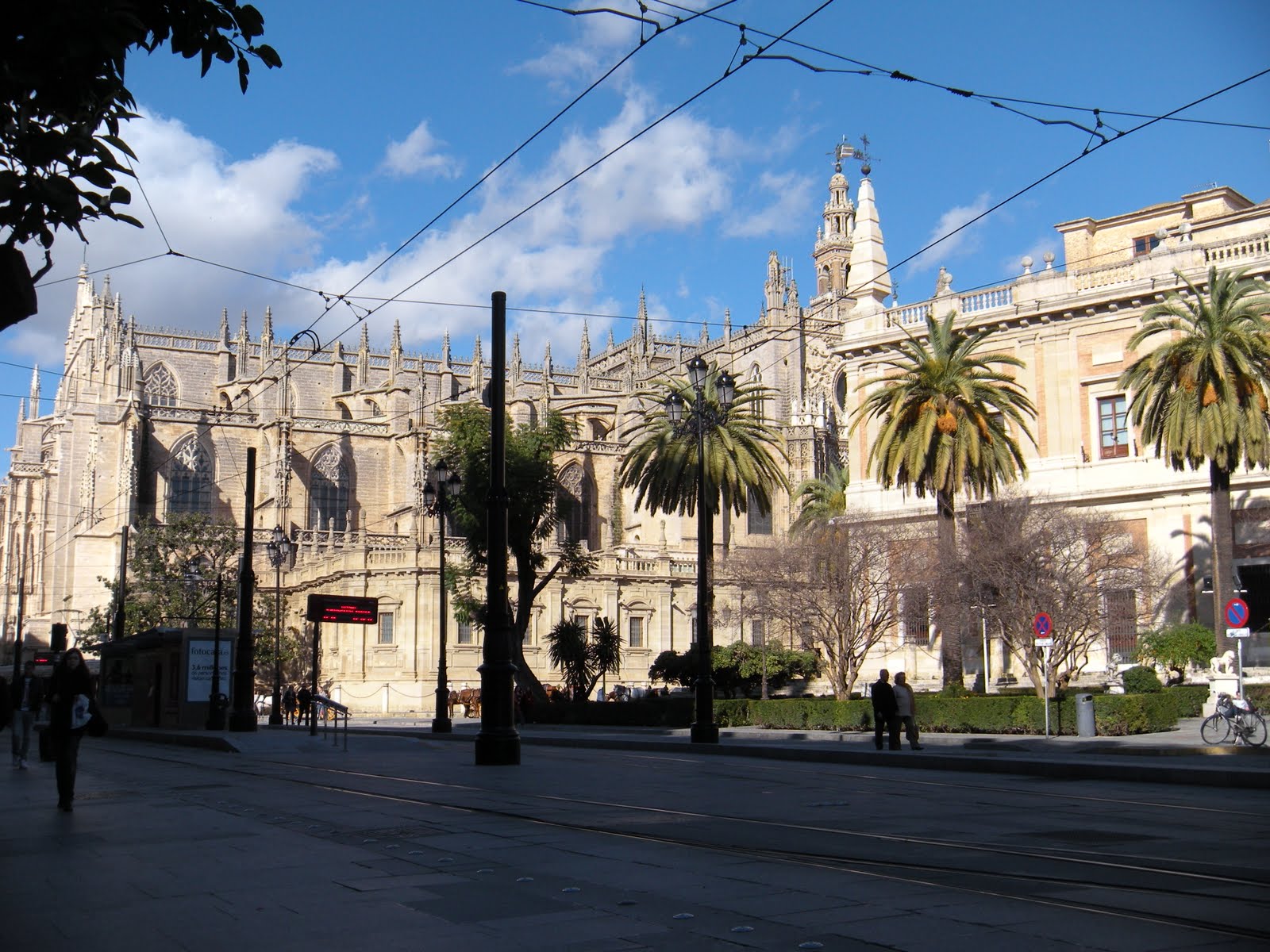
Sevilla is absolutely gorgeous, and I wouldn’t hesitate to come back, although I’d caution you to take note of the weather in summer before booking a trip. Ruth told me today the hottest she’s seen it here is 63 degrees Celcius. I’ll let you decide what that equates to. In the meantime, I’m off to hangout for dinner with the family I’m staying with. After all that food at lunch, I’ve got no clue where I’ll find the room. 

Ruth Roberts- Seville Cooking Class
http://www.sevillecookingclass.com/


Next Stop: Madrid

Gra-Nada Cooking Classes

Posted on

It’s true. I made the journey down to Granada and wasn’t able to line up any cooking classes. The city is much smaller than Barcelona, and as it turns out, many people don’t speak English there. Perhaps that was the hang-up with the email I sent.

It didn’t really matter, though. Because another email I sent was met with incredible enthusiasm, an offer of hospitality, and perfect English. I’m starting to think that either I was really angelic in a former life, or I have the luck of the Irish on my side, because this part of the last three legs of the trip have been particularly memorable thanks to my hosts and hostesses.

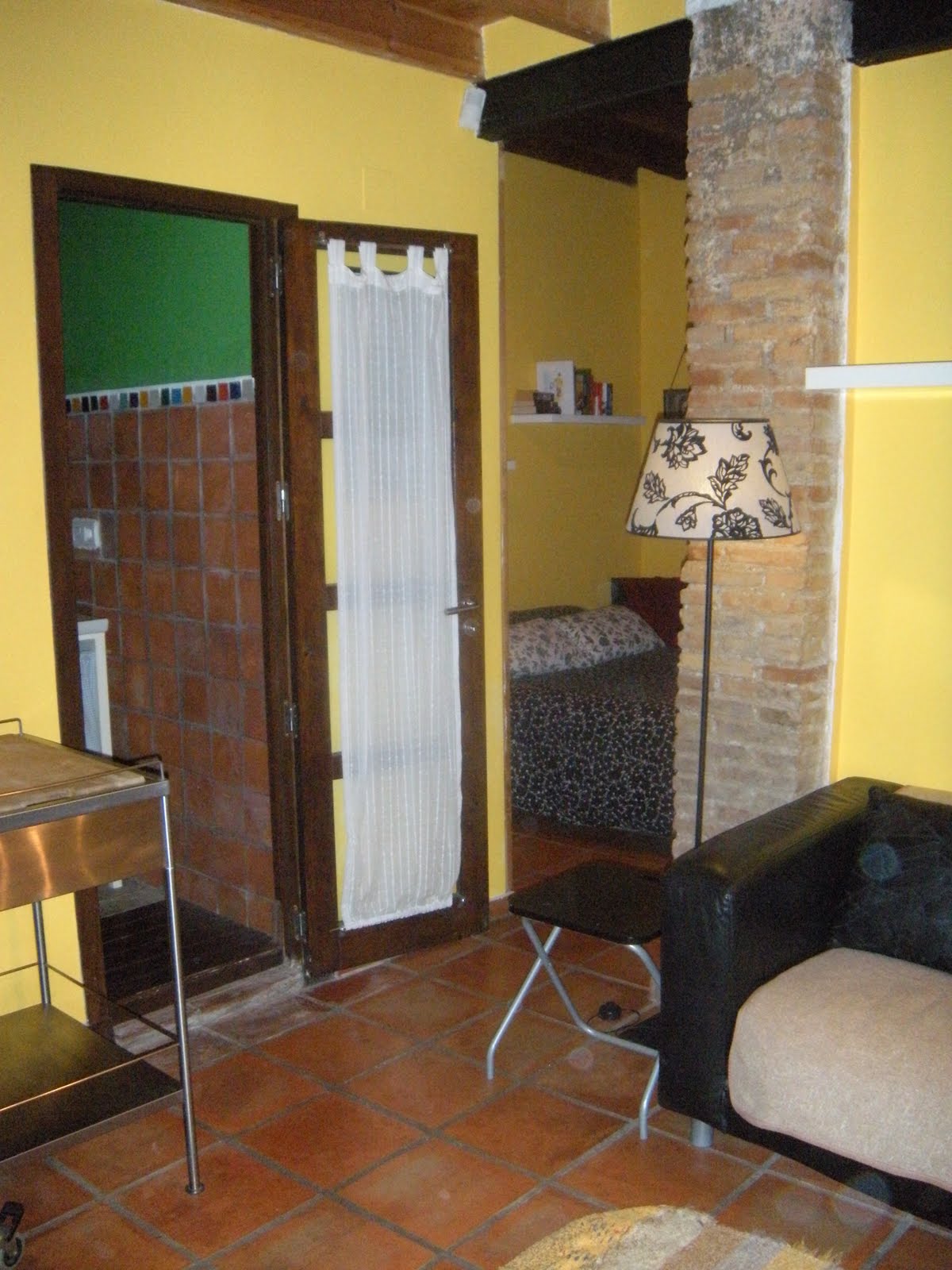
I found Fina’s apartment website by simple typing “Granada apartments” into Google. I wanted to rent one for a few days, and she immediately responded to my request. Some things went haywire in the process and she wasn’t able to “rent” to me, however, in a truly unmatched pro bono effort, Fina, who is from Seattle but married to a Spaniard, introduced me to her friends and family and let me stay in one of their apartments for free. I’m forever grateful, and can’t wait to go back and see them in their new house in the countryside. As I posted on her Facebook page today, I’m looking forward to baking in her traditional oven, and also by the pool…not necessarily in that order.

So, if there were no cooking classes in Granada, how did I occupy myself? Well, for starters, I got ready upon arrival and Fina, Joy and Danie took me to their favorite Moroccan café for red wine, small snacks, and a hooka. Yes, I said hooka. And I tried it (sorry mom). Despite a mild protest, they insisted, and it was fruity and kind of interesting. We went back to meet Fina’s two-month-old son, Diego, her dog, Henry (good taste in names!), Joy’s cat, Pee Wee, and Fina’s husband, Rapha. They couldn’t have been more hospitable. We ate homemade banana muffins and soup that Rapha made, and I made it to bed with a full stomach and a handful of new friends of the two- and four-legged sort.

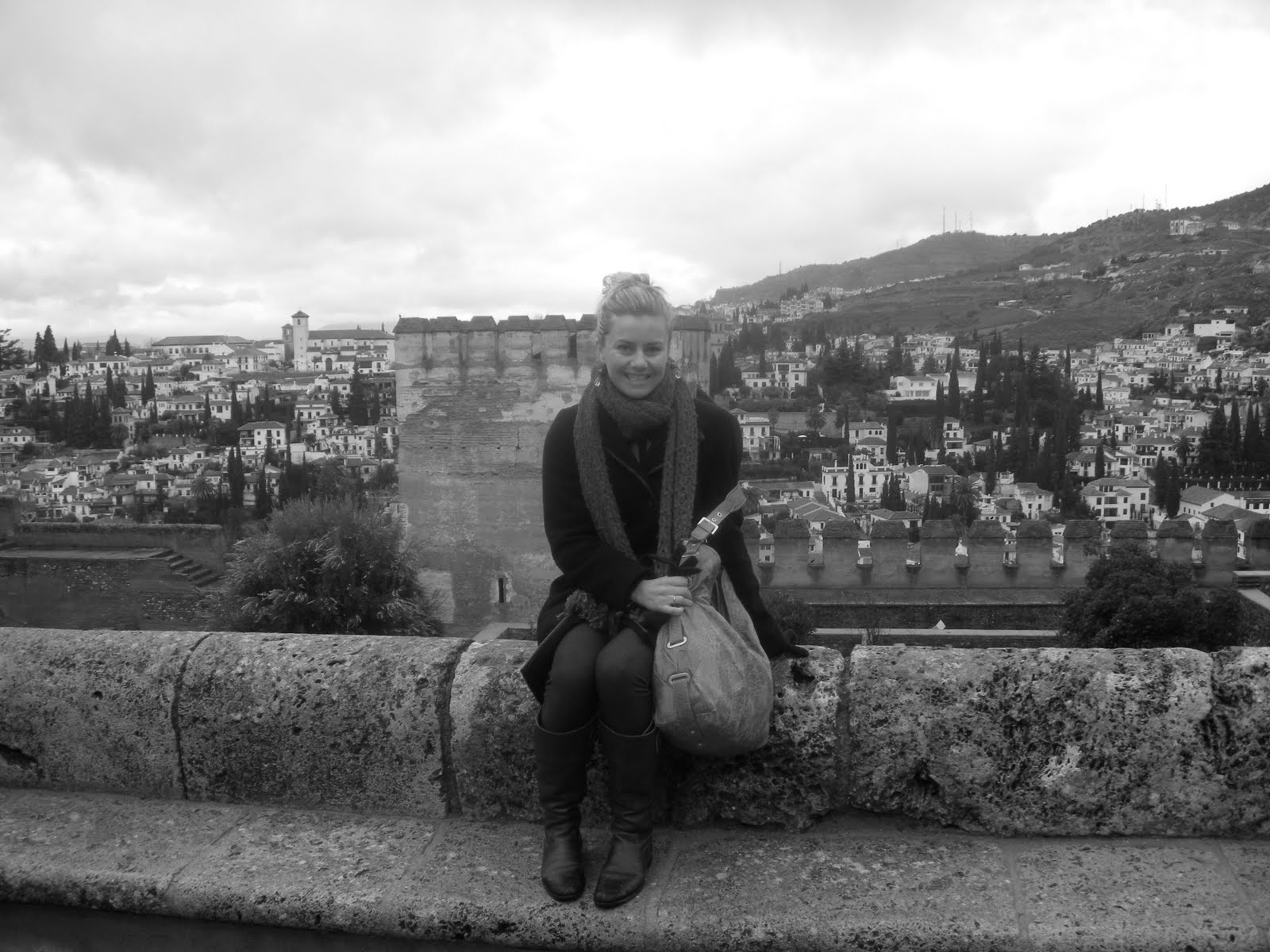
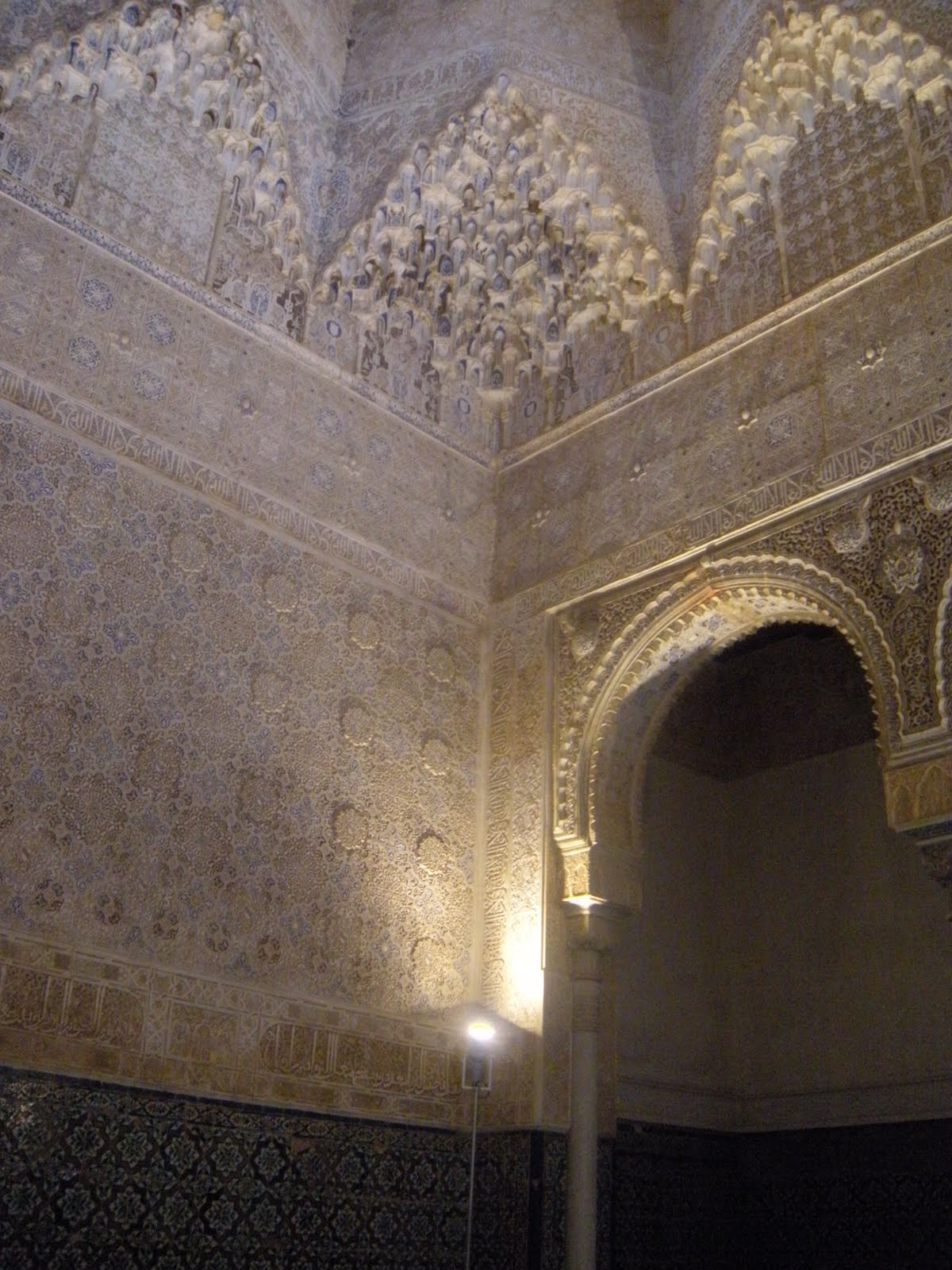
Yesterday, I took the (short) bus up to the Alhambra Palace, which was a smart move on account of the incline and what I‘d see there. Despite the rain that lingered throughout my trip, the Alhambra was spectacular! It was conceived as a palatine fortified town, and it’s on a rather steep hill with sweeping 360-degree views of all of Granada. It was really amazing. Between the 12th and 15th centuries, it was used as the residence for the Nasrid Sultans, high commanders, civil servants of the royal court, and soldiers of the elite. Washington Irving even lived there for a bit, and his stay inspired him to write Tales from the Alhambra.

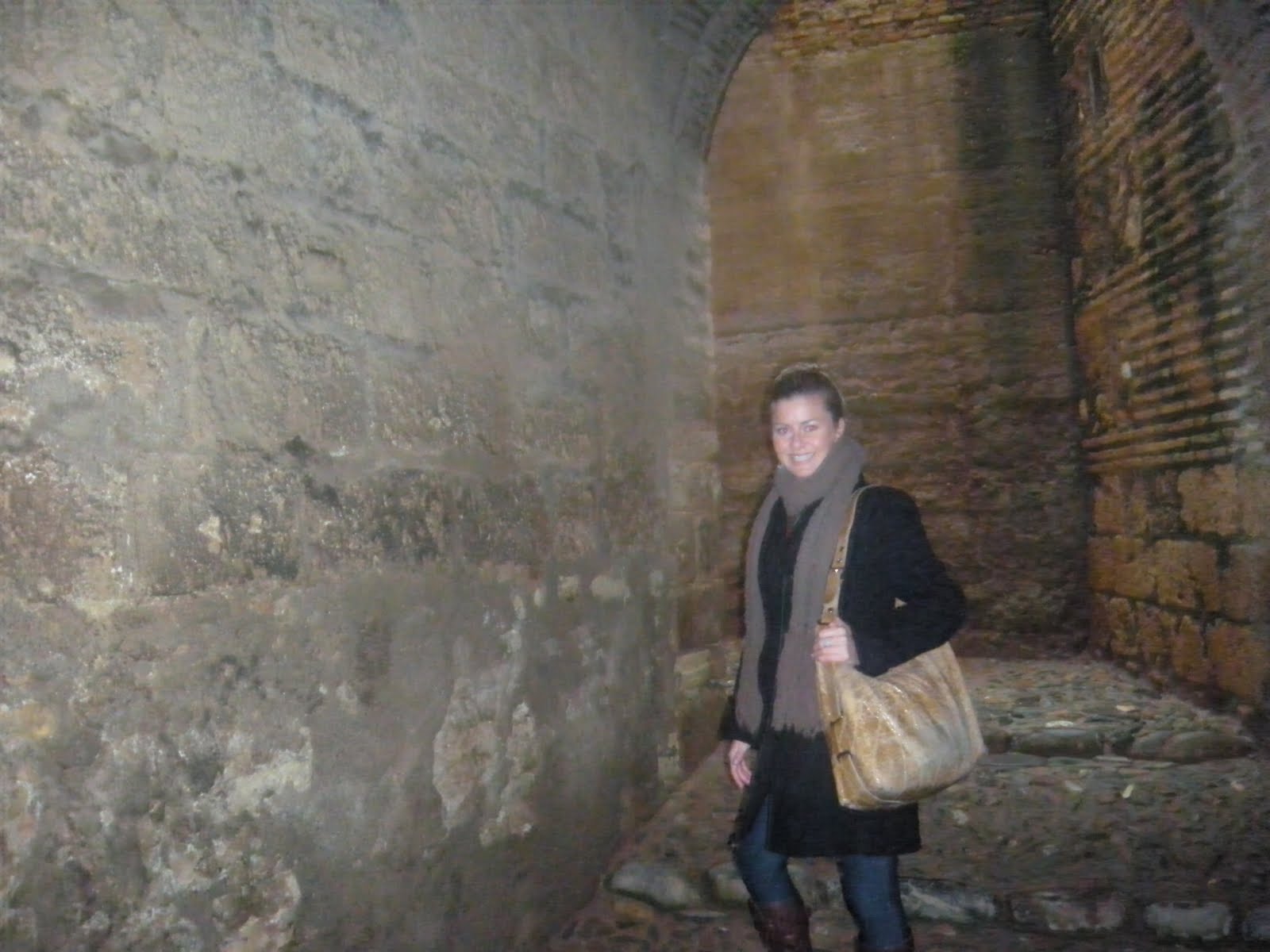
I toured the Nasrid Palaces, and the architecture and details were magnificent. And then, I took a spin through the Alcazaba military area, and had fun with the self-timer function on my camera. Passing back through Generalife (a massive garden) on my way out, I found a Calico cat that accompanied me for quite a bit of the walk. She was so cute, and there were actually wild cats everywhere that were all quite friendly. 

Had I been in Granada another time, I could have partaken in an olive oil tasting about an hour outside the city, but unfortunately, it’s closed at this time of year. Granada was really fascinating though, and completely different than Barcelona or Madrid. I’m really glad I came, despite not being able to cook. Rapha told me that this part of Spain is historically poorer than most parts, so stews are very common, and they use a ton of pork in this region. As for the city, the Islamic influence is evident everywhere, from the restaurants to the Turkish baths, to the hookas for sale everywhere (don’t worry– I didn’t buy one), and of course, the impressive Alhambra that looks approvingly over the entire city.

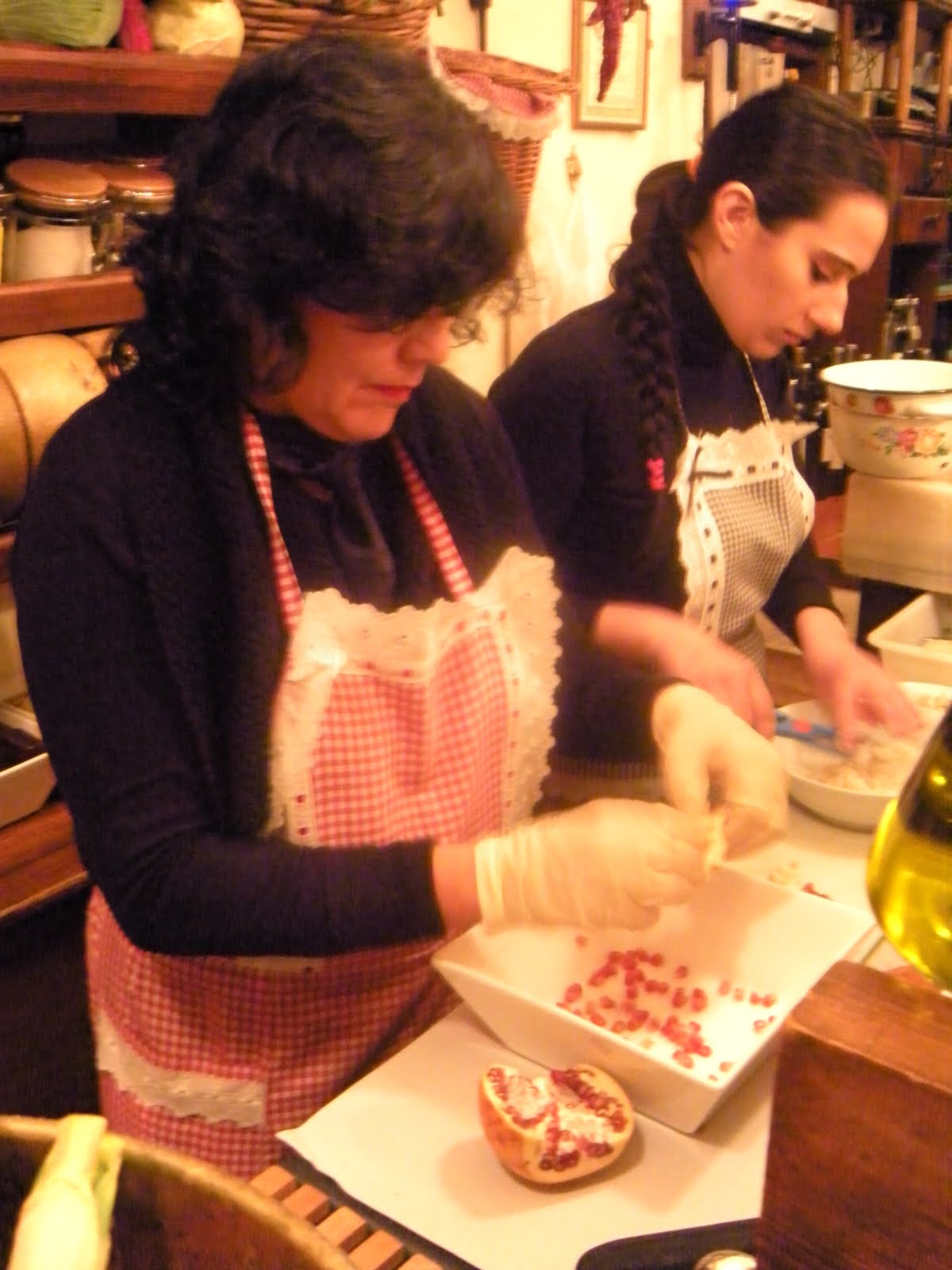
Oh, by the way…any idea what “Granada” means? Anyone? It’s Spanish for “pomegranate.” I guess my visit here was food-related whether I knew it or not.

Next Stop: Cooking Class#4 in Sevilla

Barcelona’s Boqueria Market

Posted on
Despite having already discussed Barcelona, I decided Boqueria Market deserved it’s own post. And since I’m the boss of this blog, that’s what I’m doing.
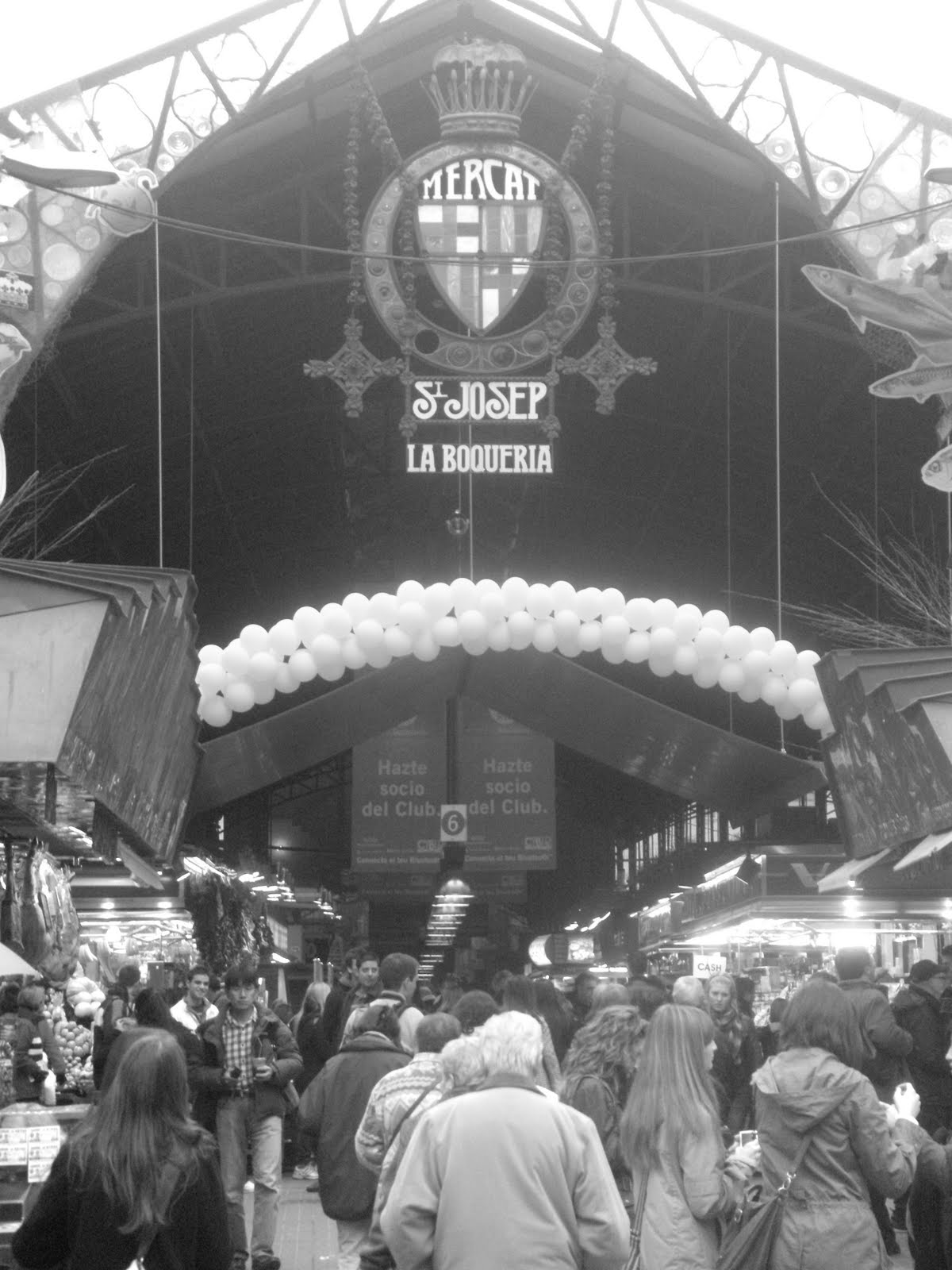
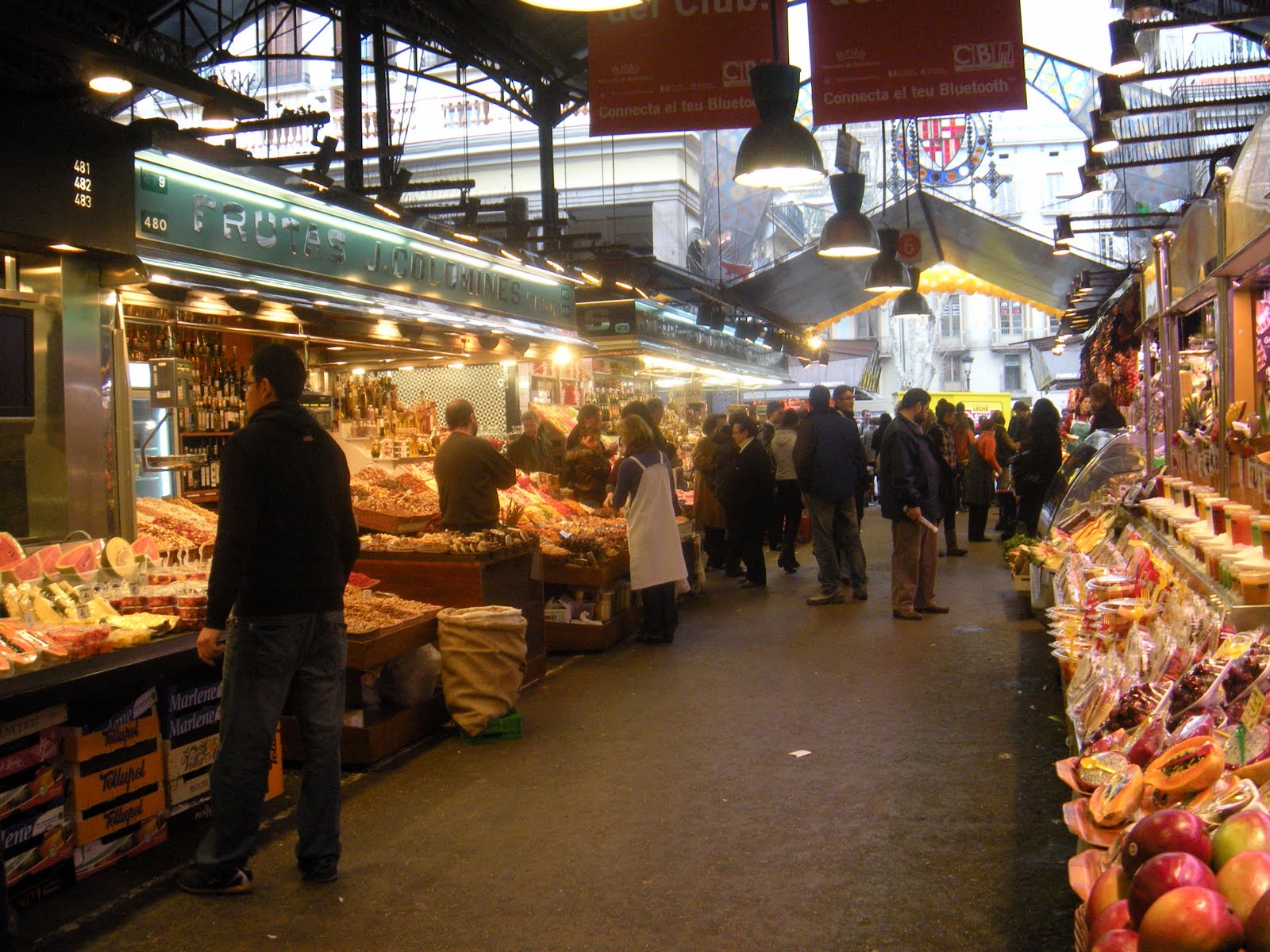
Why, oh why, can’t we have markets like this in America? Why? Boqueria Market makes our farmers markets look like men selling oranges at a dirt junction on the side of the road. They literally had everything here. From gorgeous dried peppers that would make your eyes weep from their beauty (and presumably heat), to candies, nuts, fish, meats, and the most beautiful fruit I’ve ever seen. 

Upon entry, my eyes went straight to a clear, plastic cup of a grass green liquid dotted with dark seeds. It was fresh-squeezed kiwi juice. And it cost €1 ($1.36). I can only imagine how refreshing that juice would have been in the heat of a Barcelona summer. And I wished I had more time there so I could take home some of the bounty and create a feast.

It was fun to take a quick spin around the indoor market, and peruse the different stalls. Sure, a lot of them were slinging the same things, but I’m sure the patrons have their favorites they go back to over and over again. Listen up, Obama…while you’re tackling this health care issue, have Michelle work on instating markets like Boqueria around the country. If people saw what this market had to offer, they’d never eat KFC again.

What’s the Difference Between Tapas and Pintxos?

Posted on
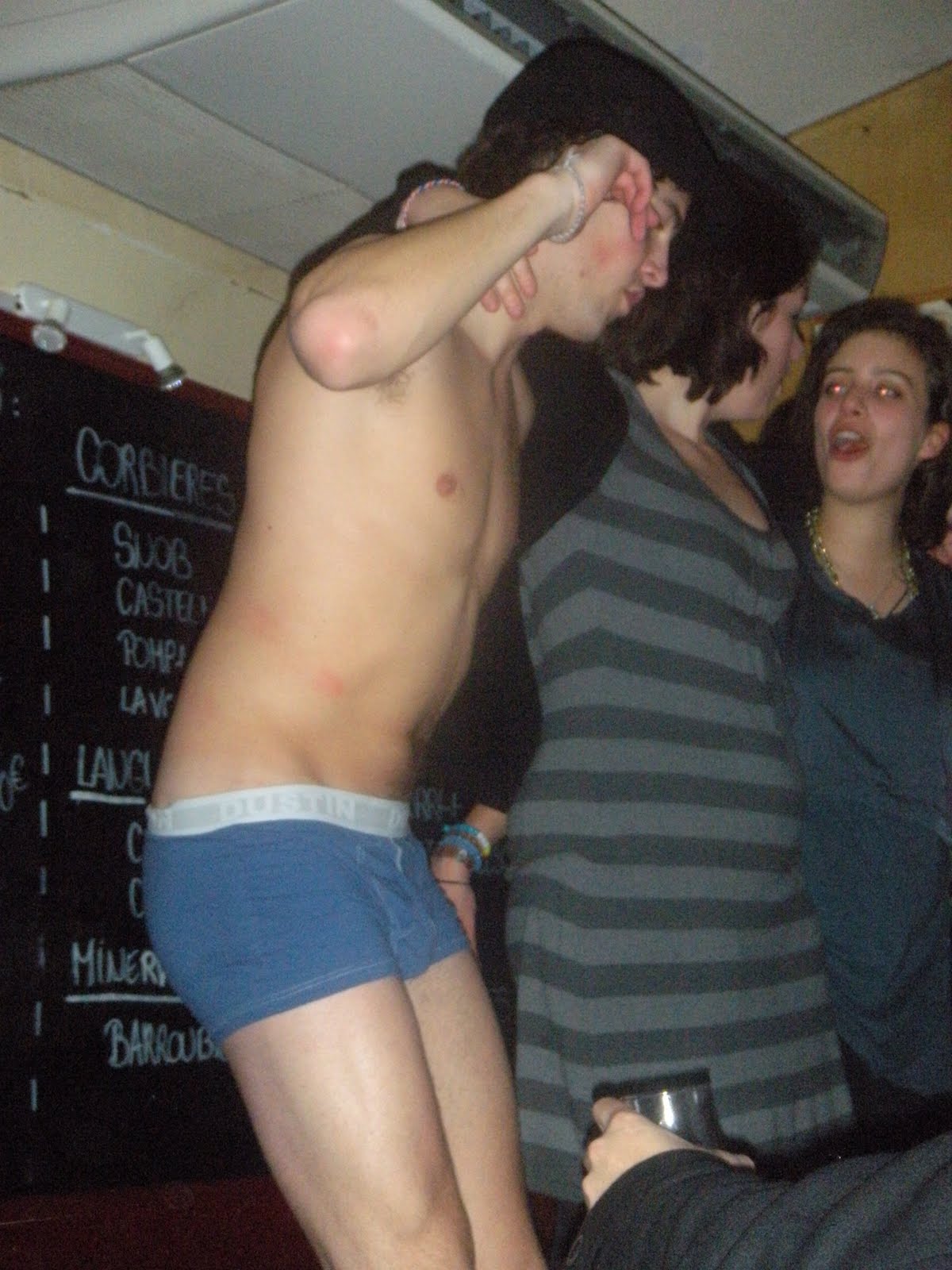
Moving on from Bordeaux to Toulouse in the evening meant I got to enjoy a late meal of tapas and sangria with my friend. We shared Iberian ham, Manchego cheese, these tiny, deep fried fish that were whole and still had eyes, slices of chorizo, and of course, a pitcher of sangria. The restaurant was down a very quiet street, but completely filled with locals…the crazy kind. In fact, when the music began to pump through the place around 11:30 or so, some of the younger people at the table behind us de-robed briefly to dance on the tables. See?

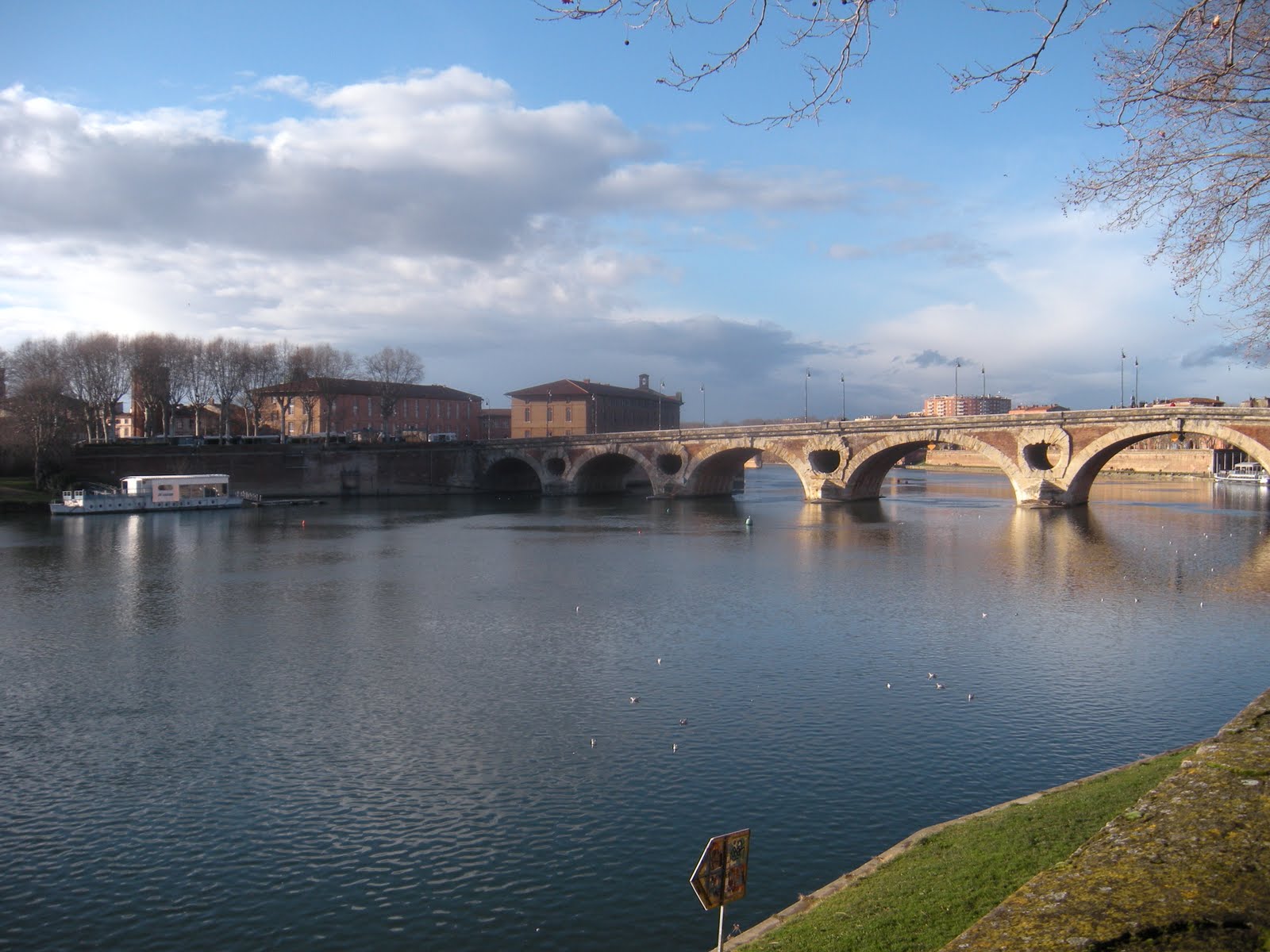
Toulouse was a fantastic little town, and an interesting departure from both Paris and Bordeaux. Yes, I was still technically in France, but their way of life is more akin to Spain. Life gets started later in the evening, and they share a lot in common with their neighbor to the south. The proximity might have something to do with it. We woke up on Saturday morning, jumped in the car, and drove from Toulouse to Barcelona in just under three hours. That’s where I’d learn the difference between tapas and pintxos.

Both styles of food share a convivial spirit, whereby they’re eaten in a social setting. The difference, I’d find out, is that whereas tapas are smaller portions of food that are meant to be shared, pintxos are literally finger foods from the Basque region of Spain. For pintxos, you stand at a tavern bar with a small glass of wine and grab what you’d like from the displays. “Pintxos” literally means “spike,” and each of the pieces of bread with toppings are stuck with a toothpick. It helps to hold the food together, and then the bartender counts them on your plate and charges you accordingly.

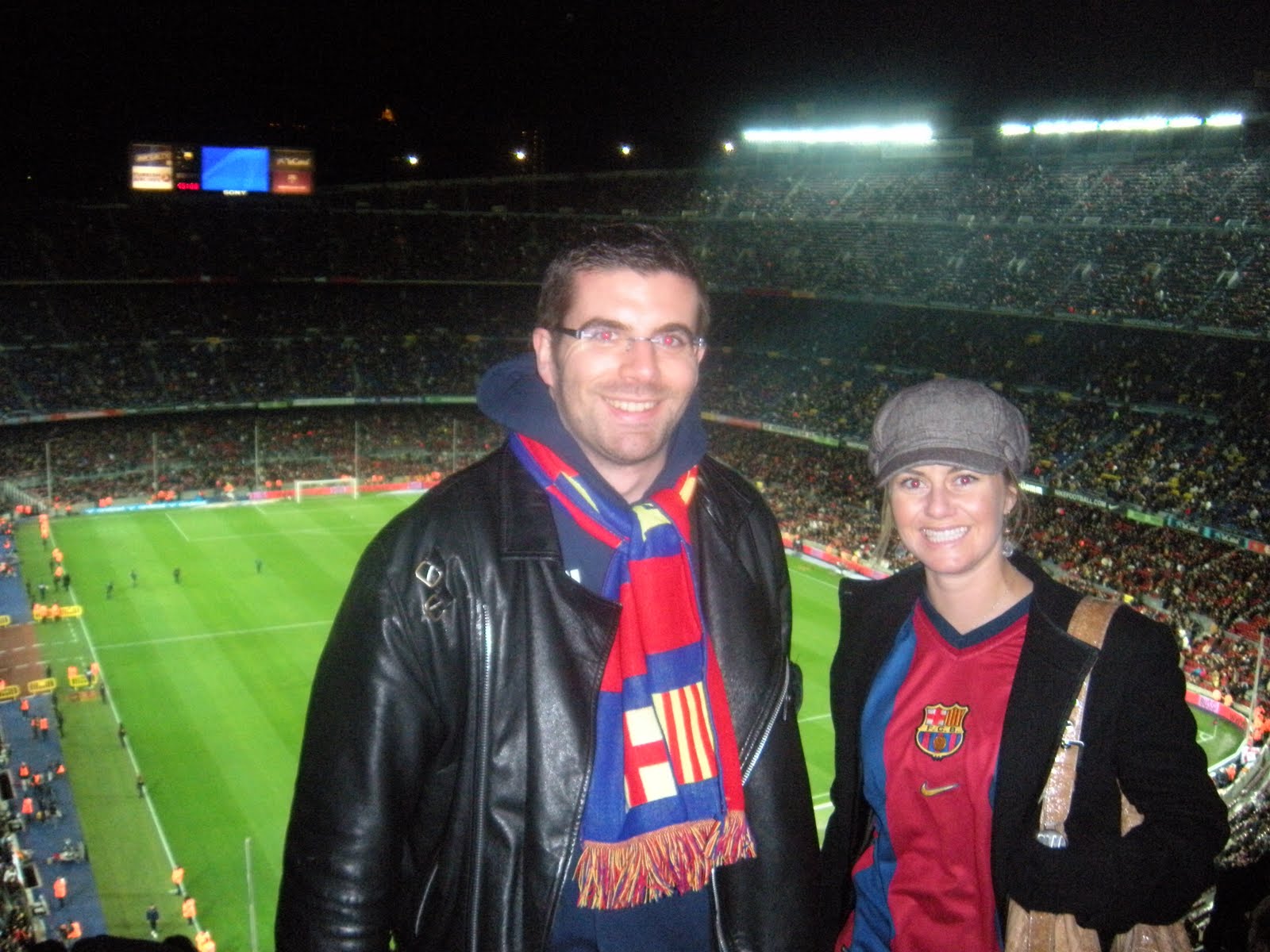
In the tavern where we ate, there were lots of pintxos options, and most had fish. Common toppings include hake, cod, anchovy, but I preferred a pintxos with smoked salmon and a dollop of sauerkraut, or something like it, on top. Other options were olives, stuffed peppers, croquettes, and tortilla de patatas. Don’t be fooled by the name though… “tortilla” in Barcelona is nothing like our tortillas at home. It’s actually an omelet. Pintxos are great if you’re hungry for something small (like we were before the FC Barcelona game last night), and also an interesting way for groups of friends or family to crawl around the town from one place to the next.

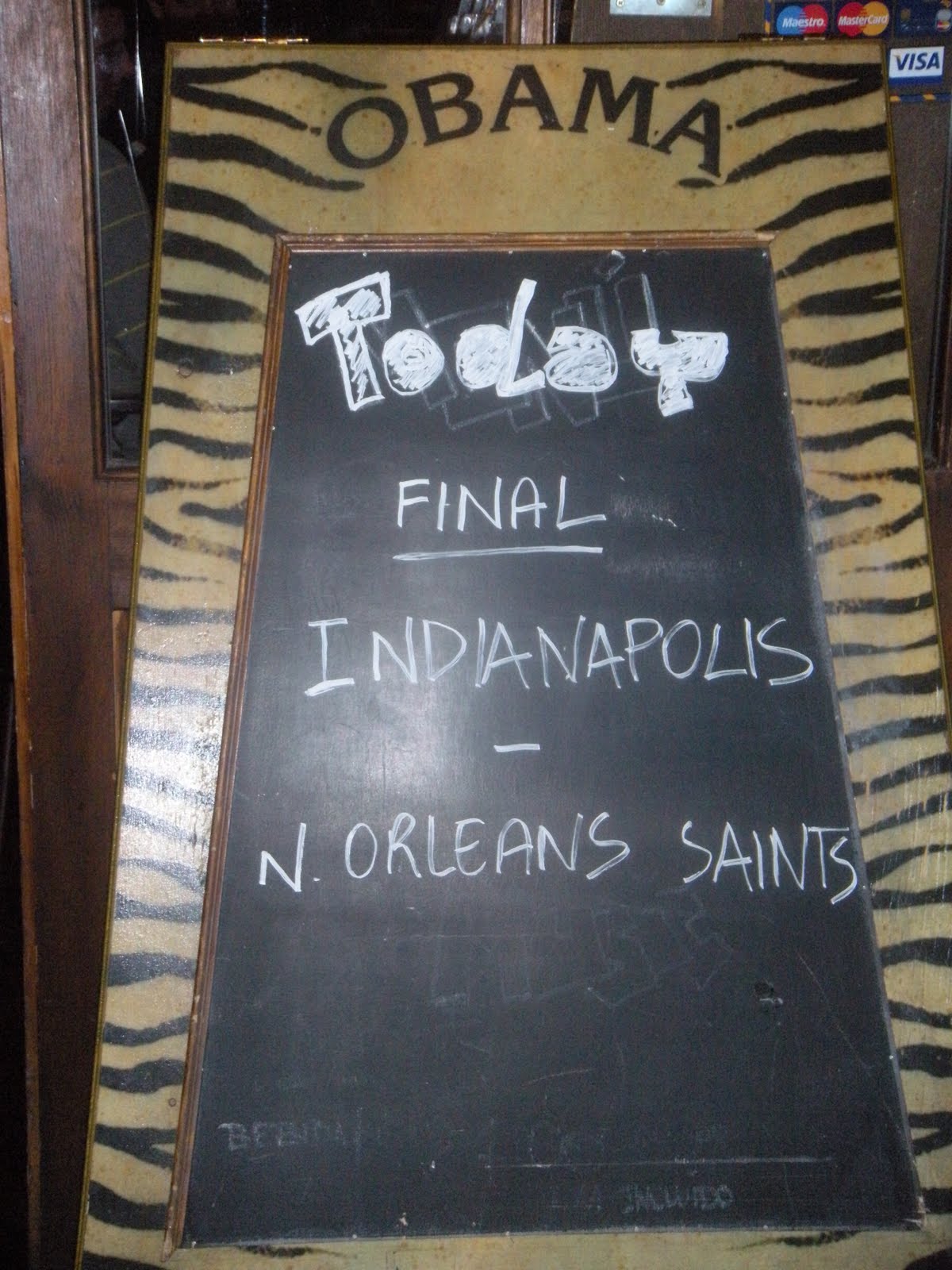
Today was a rather busy day, and we finished it off with churros con chocolata at home. Wowsers. After the major injection of sugar, we’re trying desperately to stay awake for the Superbowl tonight. It starts at midnight, and we’re going to a place called Obama Bar to watch it. How ironic is that?

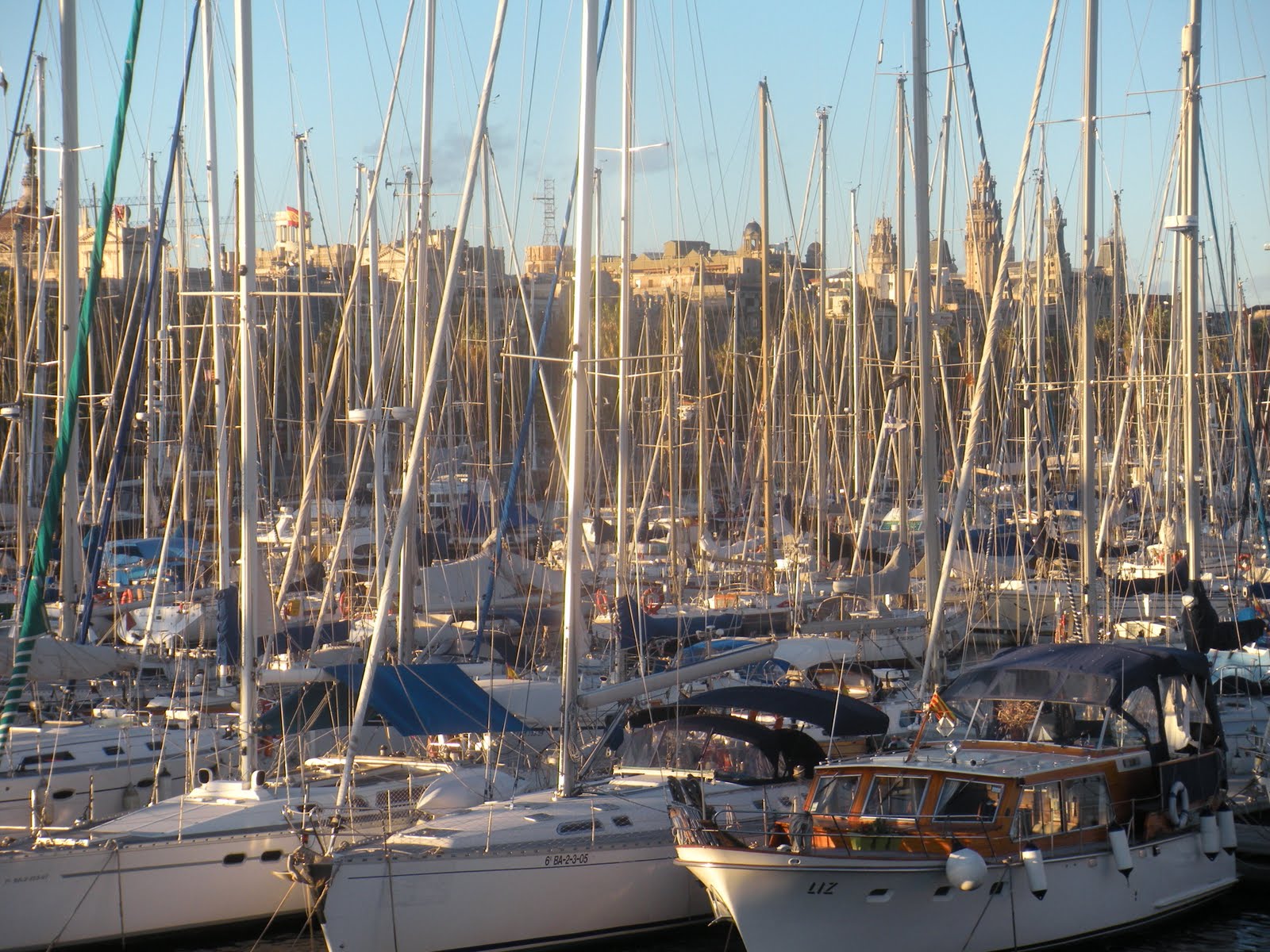
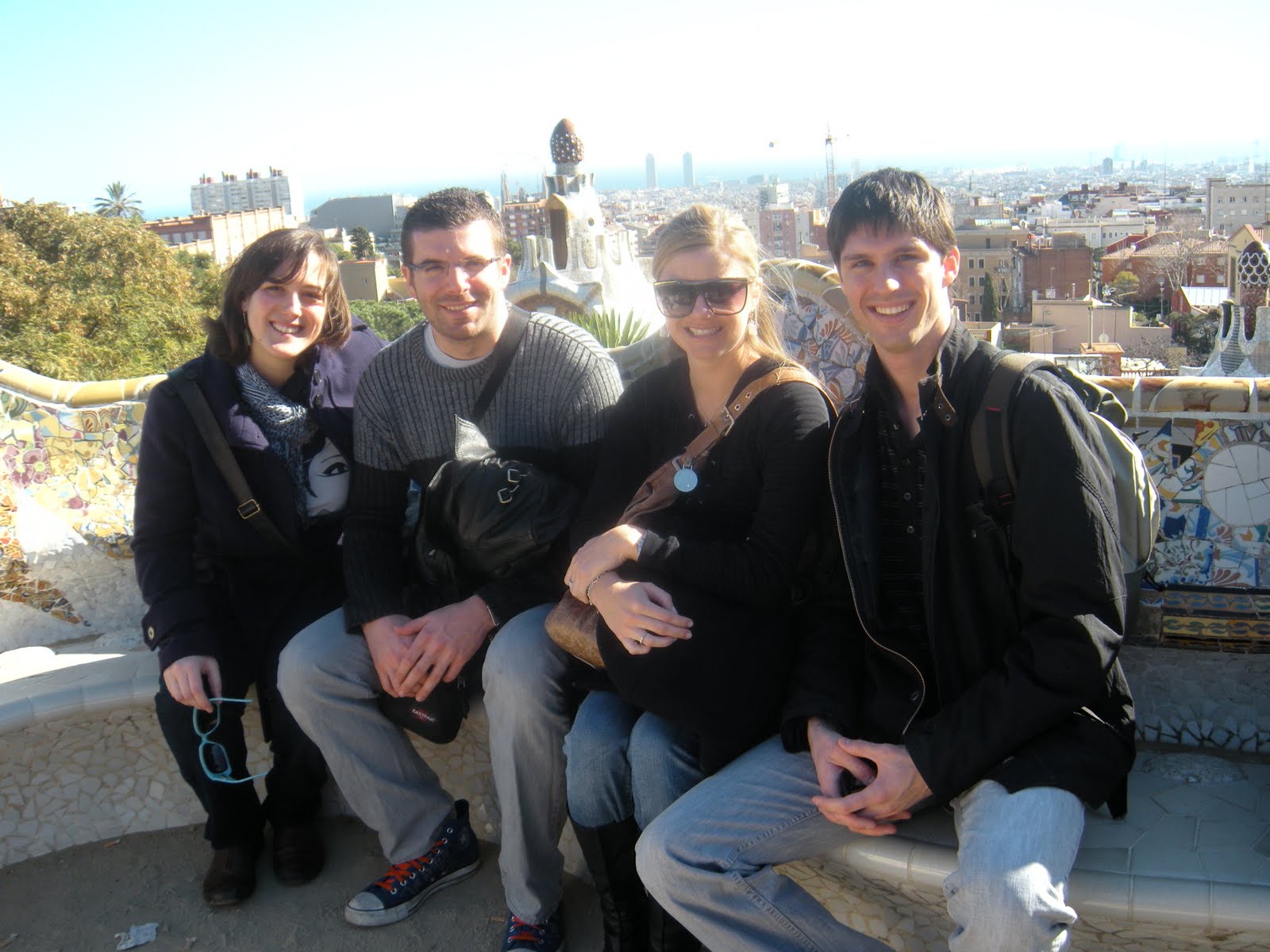
Barcelona was really fabulous, and in the short time I was here, I did a lot. I attended the soccer game last night against Getafe, we hiked up to Park Güell today for a picnic of Iberian ham sandwiches and had views of the entire city, and then we rented bikes and cruised along the boardwalk and all around the city center. Tomorrow morning, we’ll make a quick stop at Boqueria Market, and then it’s off to the airport in Girona. Barcelona…you have been great to me, and I will undoubtedly be back for paella, soccer, mojitos, tequila shots with orange slices and “canarella” (inside joke), and of course, more of those fantastic pintxos and sangria.

Next Stop: Granada

Cooking Class #3: Co-Queen of the Chateau Cuisine

Posted on
Trains, planes, and automobiles. I’ve logged time in all three this last week, and today was no different. In fact, I’m on train #2 today after spending the afternoon cooking with Suzanne Bourdais at Chateau Lavergne outside of Bordeaux. My train from Paris arrived early this morning. Quelle chance! And after an amazing day in Suzanne’s enchanting French kitchen overlooking the countryside, I should have known my luck was bound to run thin.The train I’m on now from Bordeaux to Toulouse was delayed for whatever reason. Had I been able to hear the announcement over the coughing, flat-topped seatmates of mine, perhaps I could have deciphered the reasoning in French. The only thing making this delay more manageable is the dog standing in the aisle looking longingly for his owner who just went to the bar car. That’s right–dogs are allowed on the trains in France. Pack your bags, Henri…we’re moving.

Suzanne was the most gracious of gracious hosts and more and more, I feel like I‘m winning the Google lottery with the people I‘ve been meeting on this trip. She picked me up from the train station, and we were at her Chateau in about ten minutes flat. We drove in past a small vineyard, a few out buildings (I’d find out later their purposes), and into the porte cochere at the entrance. I would be co-queen of the chateau’s cuisine for the day. “Cuisine” is French for “kitchen” in case you were curious.

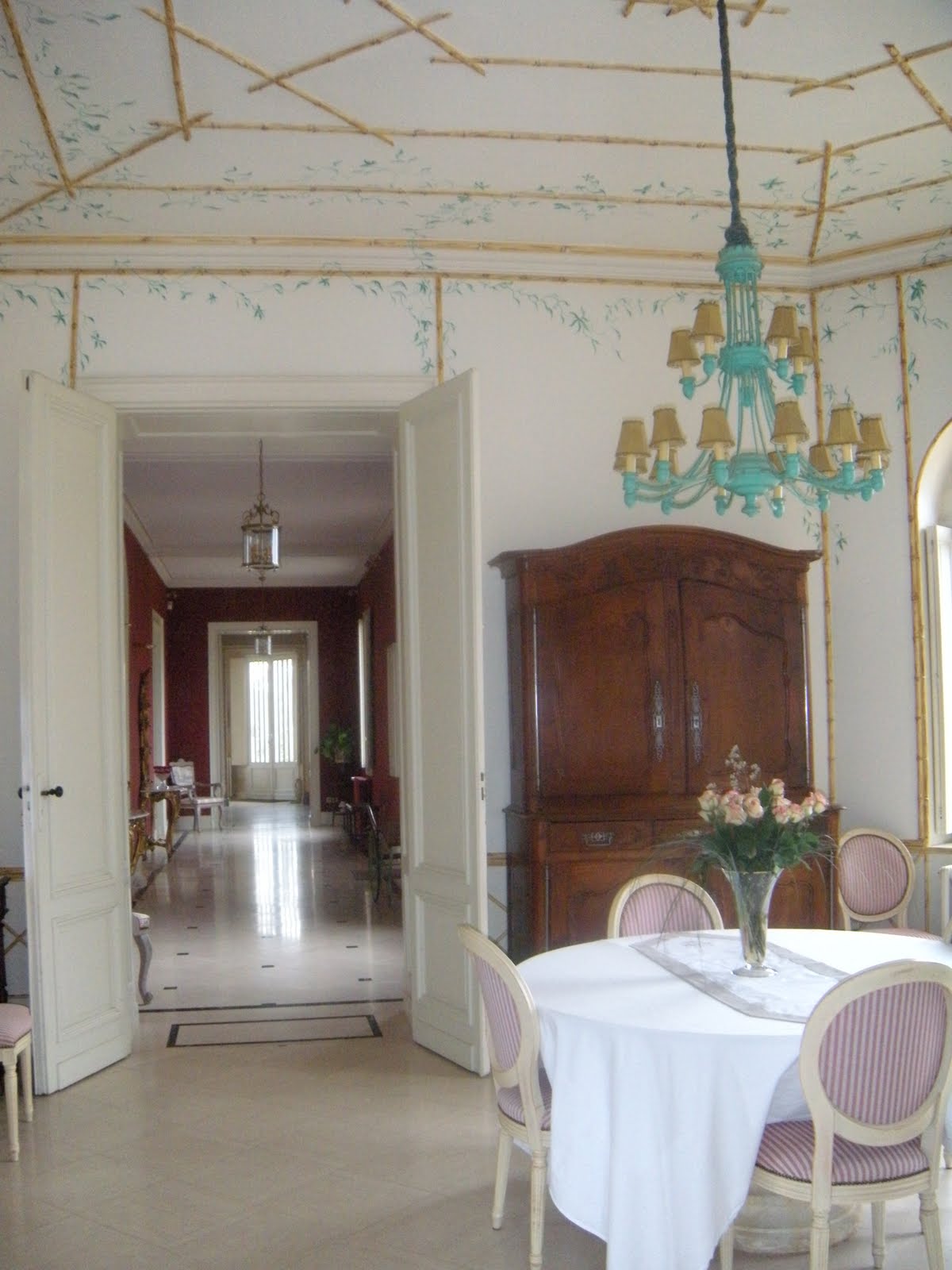
The house was magnificent. It is styled in the manor of Napoleon III from the Second French Empire, which combines functionality with design. As she flung open the door, rooms flowed into adjacent rooms, yet each section had its purpose. It looked like a living museum, although the flat-screen TV was a giveaway that someone resided there. The kitchen, however, was a modern marvel replete with a wood-burning fireplace that stared back at whoever was manning the helm (the stove). Yet the Style Napoleon III was well-preserved in this room as well, as it was in the rest of the buildings on the property. Suzanne has a dedicated building with a demonstration kitchen for her classes, dining space for her students or groups that rent her facilities, an indoor pool, and a rentable space for events. That’s right ladies– you can have your wedding at Chateau Lavergne! Word of caution: it‘s booked about a year in advance.

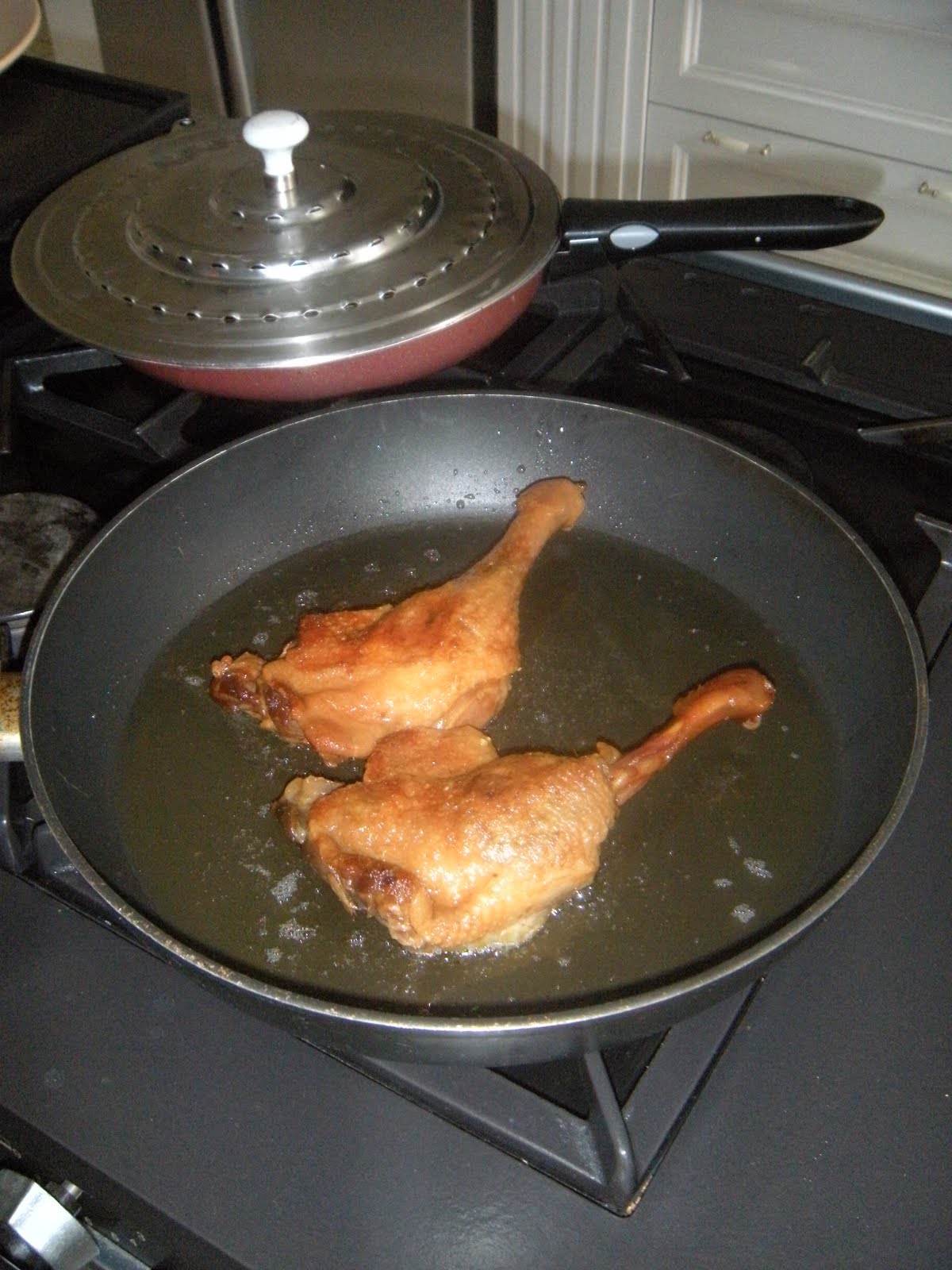
Inside, Suzanne and I put together an aesthetic lunch salad (vous mangez avec les yeux d’abbord) with concentric circles of carpaccio-style potatoes, mache, sliced mushroms, and paper-thin slices of magré du canard fumé (smoked duck breast). We topped it with a homemade vinaigrette. Simple. Marvelous. The duck wasn’t having much luck in our kitchen today because our plat principal also involved the billed species, only this time, we turned our focus to the legs. Suzanne keeps a mason jar of duck fat on her kitchen counter to cook with; I will be keeping a mason jar on mine from this point forward. Over low heat, she cooked the duck legs in fat until they were tender, not dry.

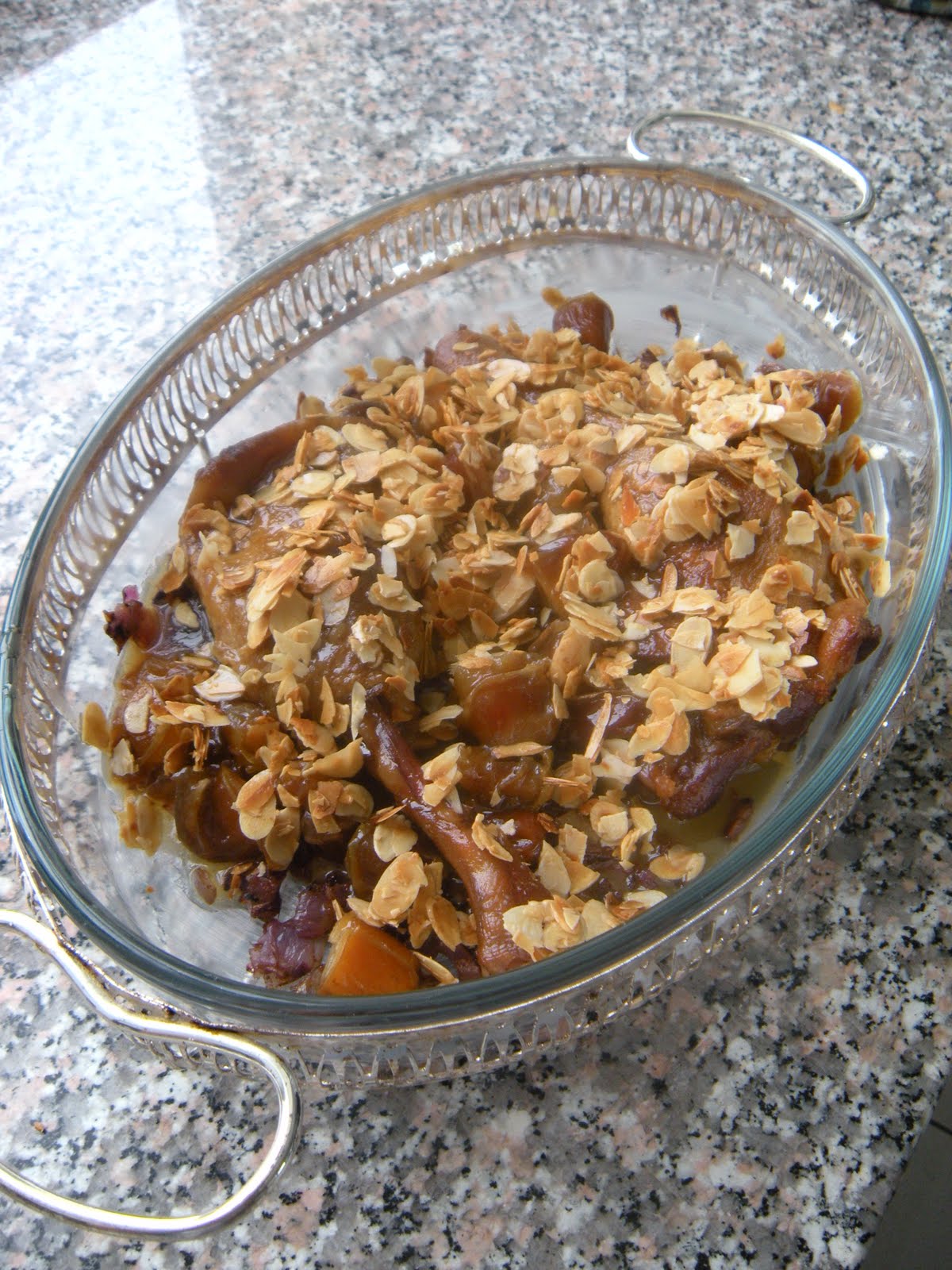
In the meantime, we sautéed diced red onions in butter with a bit of cinnamon. These were so good. They formed the base in our buttered casserole dish, and the duck legs were proudly perched atop. We deglazed the onion pan with a bit of vinegar (stand back, or you’ll get a horrific smelling facial), and added in two tablespoons of honey. This popped a bit at the beginning, so again, another time to be alert so you don‘t get burned. After the sauce reduced and thickened a bit into a carmelized mixture, we added in some chicken stock, dropped in the dates, and poured it over the casserole. We both agreed that had we added more chicken stock at the pan stage, the sauce would have been a bit better consistency and not have thickened up quite so much as we finished the dish in the oven. She prepared a bit of long-grain rice to accompany our chicken dish, however, potatoes or a root vegetable purée would have been nice too. The dish was finished with a sprinkling of toasted almonds, and although mostly comprised of sweet ingredients, was a perfect mélange of salty and sweet.
I think I’ve eaten more duck this week than I have in my life, but in true culinary argumentation, I learned today that duck fat is proven to be fairly healthy. I hope that’s true, because after one week in France, j’adore le canard. We ended our meal with a sheep’s milk cheese from the Pyrenées region of France, quite near Spain. Traditionally, this cheese is eaten with black cherry jelly, and when you enter fromageries in the region, there are jars of the jelly in corresponding displays. I had mine with some of Suzanne’s homemade fig jam, and it was fresh and fabulous.

We washed this all down with a 2005 Bordeaux (excellent year for Bordeaux’s, by the way), and then headed out to the city of the same name to look around before my train departed on a schedule all its own. I guess traveling is a bit like cooking in that you have to be flexible because things don’t always go as planned. I’ll get to Toulouse a bit late tonight, but if I know my friend there, he’ll have sangria waiting for me at the train station (if he hasn‘t finished it all himself waiting).

Chateau Lavergne
Suzanne Bourdais
http://www.chateau-lavergne.com/

Next Stop: Toulouse