RSS Feed

Category Archives: Culinary Hopscotch

Basta Pasta!

Posted on

Sorry for the blog delay. This past week provided for a minor commercial break between classes, but have no fear…the upcoming week will be brimming with bloggable material. 
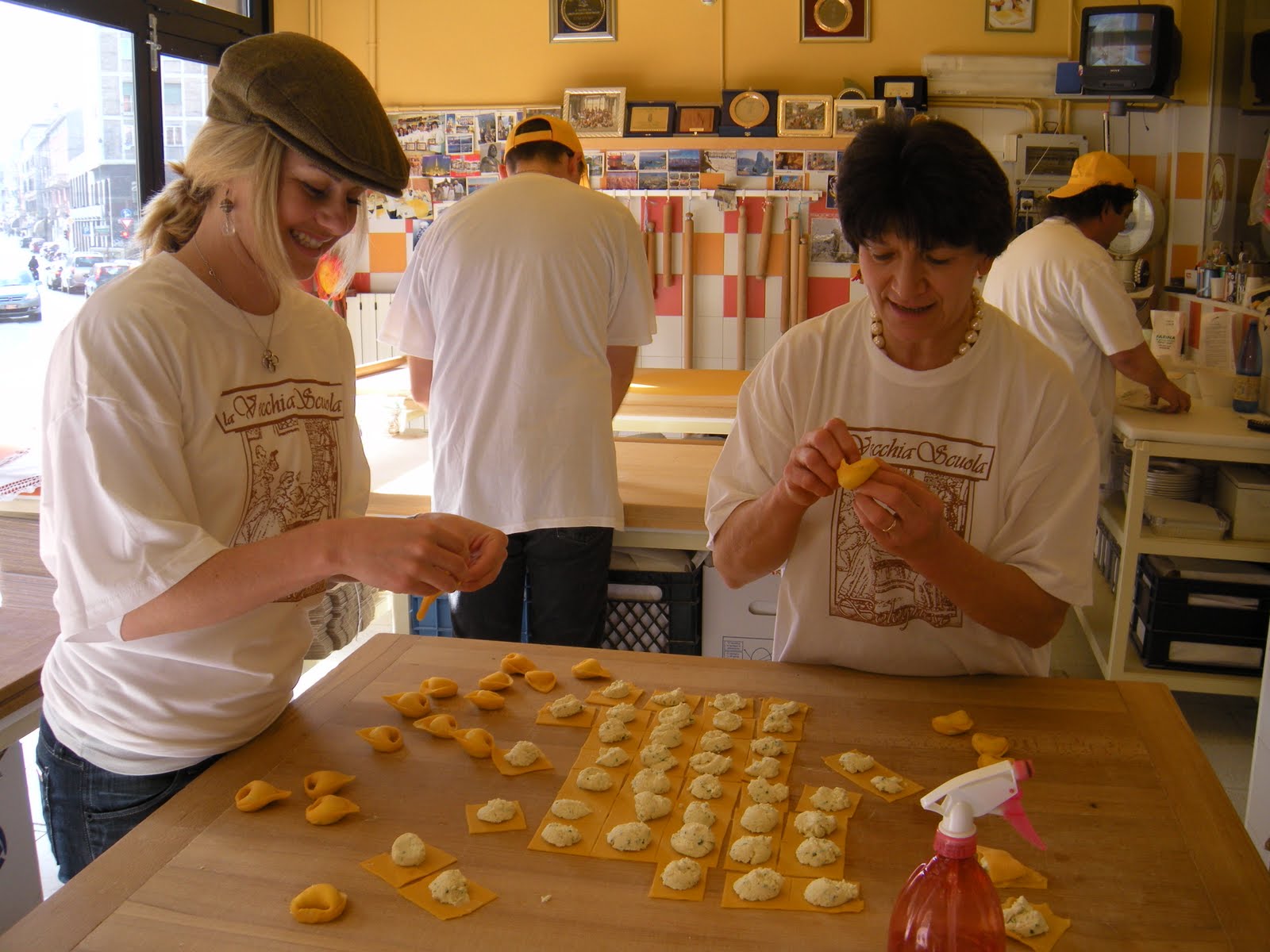
 
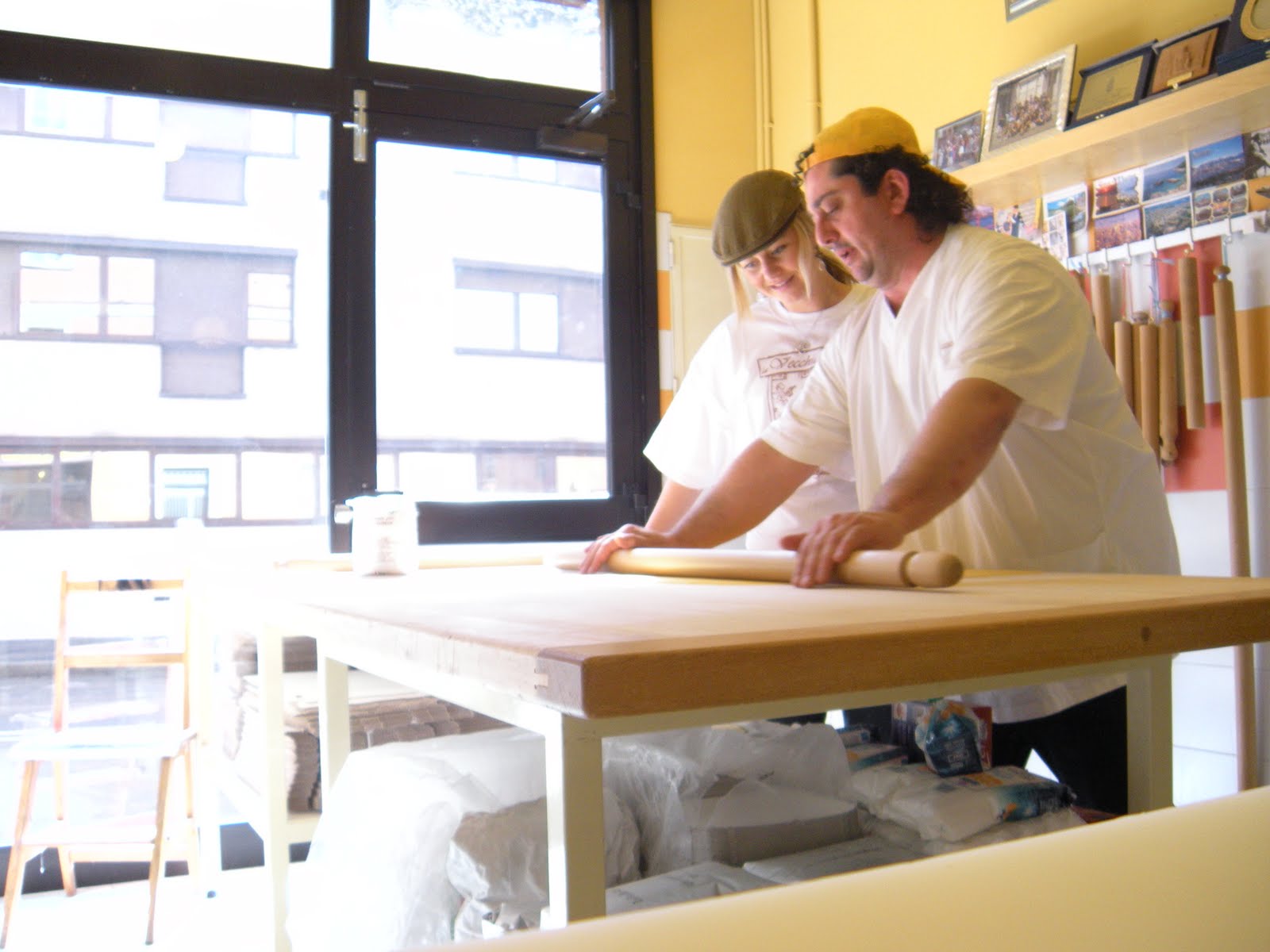
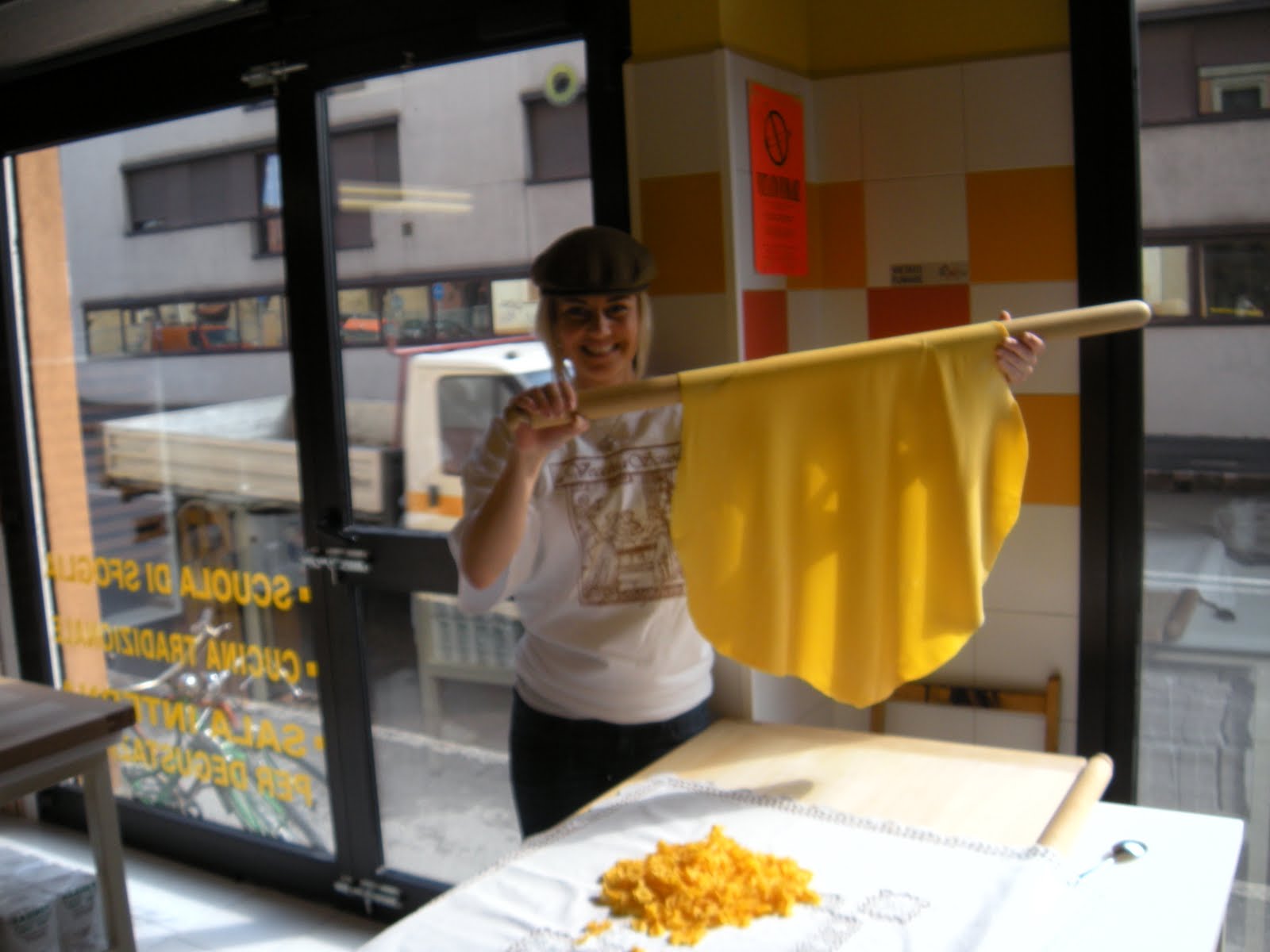
Today, I made pasta in Bologna. From scratch. With just 00 flour and eggs, a wooden board, a matterello, and my own (wo)man power. And I am exhausted. I don’t think I’ll ever look at homemade pasta in the same way again. Something that is seemingly so easy, and rightfully so based on the two ingredients, is truly an art form when you get down to rolling it out.

It’s not that making fresh pasta is terribly difficult; it just takes skill and patience. There are a series of movements you go through when rolling out your pasta dough, and at one point, I was getting particularly frustrated when I couldn’t achieve the right rolling rhythm. Uncle Alessandro thought it was hilarious though, and despite wanting to club myself with the matterello on a few occasions, he stood there patiently until I got the technique right and was able to roll out my perfectly aerated dough into a sheet so thin you could see Sanctuary of the Madonna di San Luca through it.
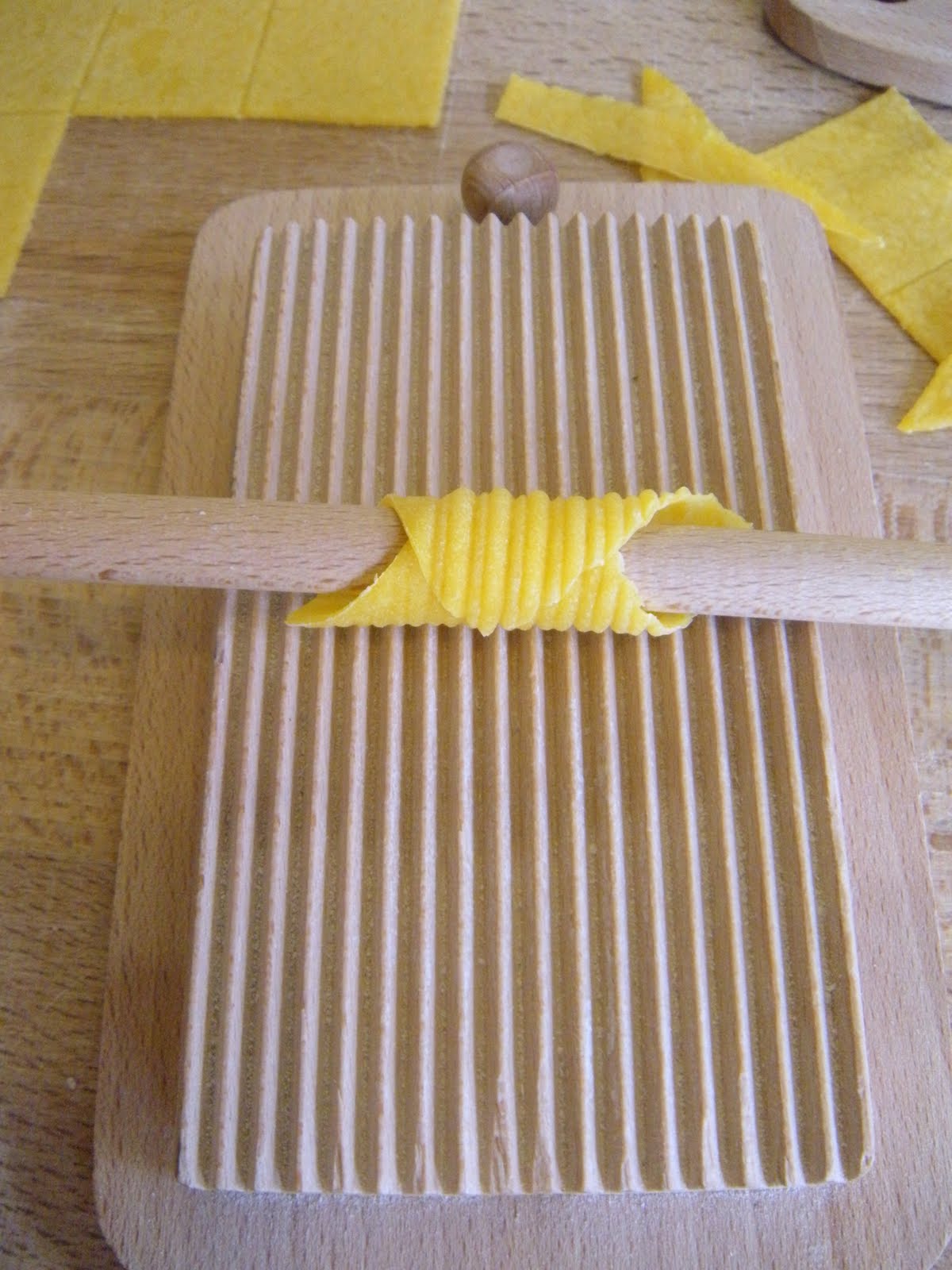
Up until today, pasta came from boxes, and was drier than the Gobi Desert, and Parmesan cheese generally showed up in a money-colored canister, and ironically, tasted like a crisp George Washington. That is all about to change. I know how to do it now, so going forward, I will make an effort to crown the table with freshly made shapes of dried dough when the menu calls for Italian. Why? Because I’m that cool.
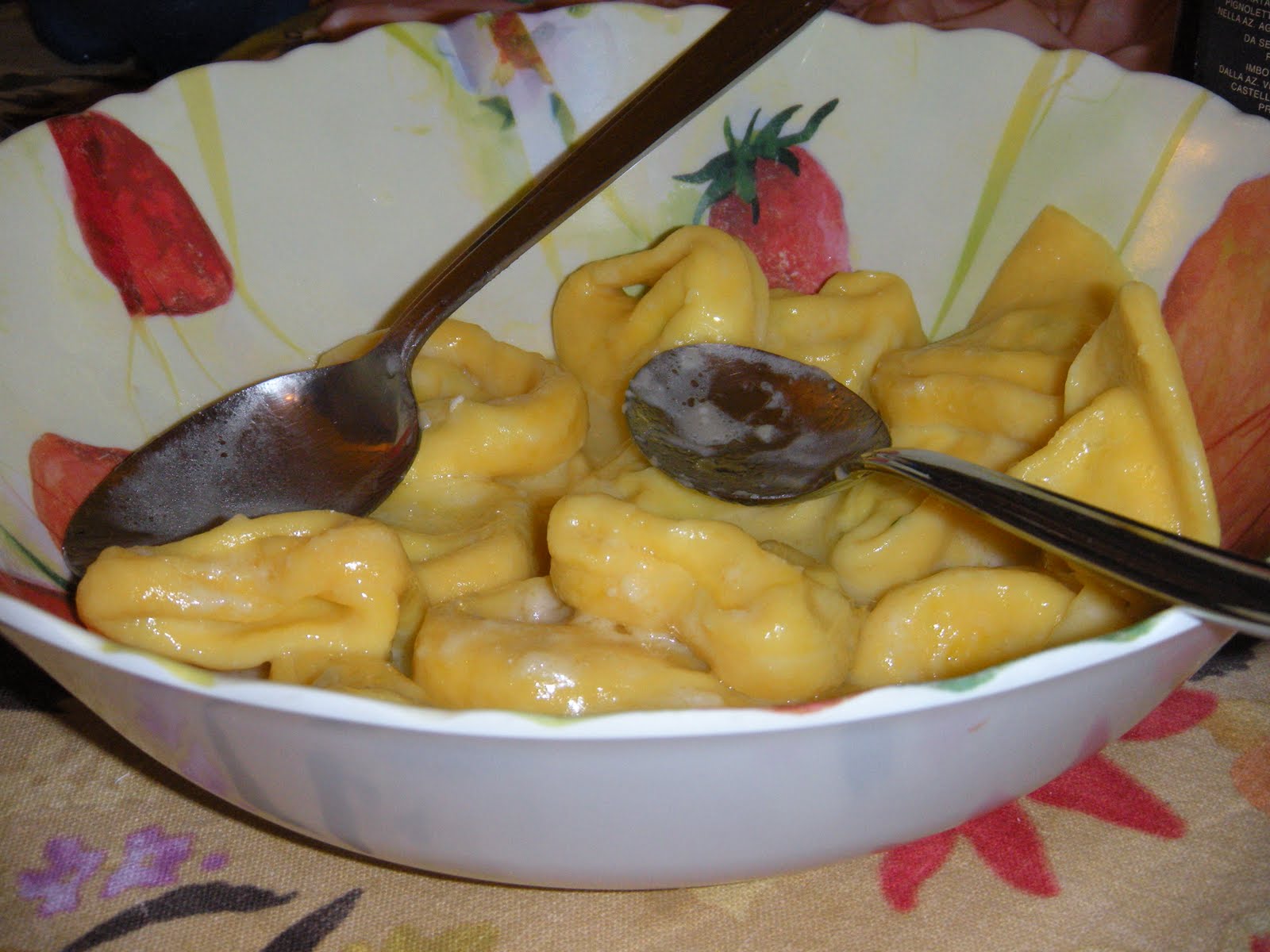
 
The difference in taste between a dry, store-bought pasta and what we made today was incredibly obvious. Incidentally, slaving away over a wooden board, and covering my dark blue jeans in flour, didn’t seem so torturous as I lifted each bite of fluffy tortelloni with butter and Parmigiano Reggiano, tortellini soup, and pappardelle Bolognese to my mouth.
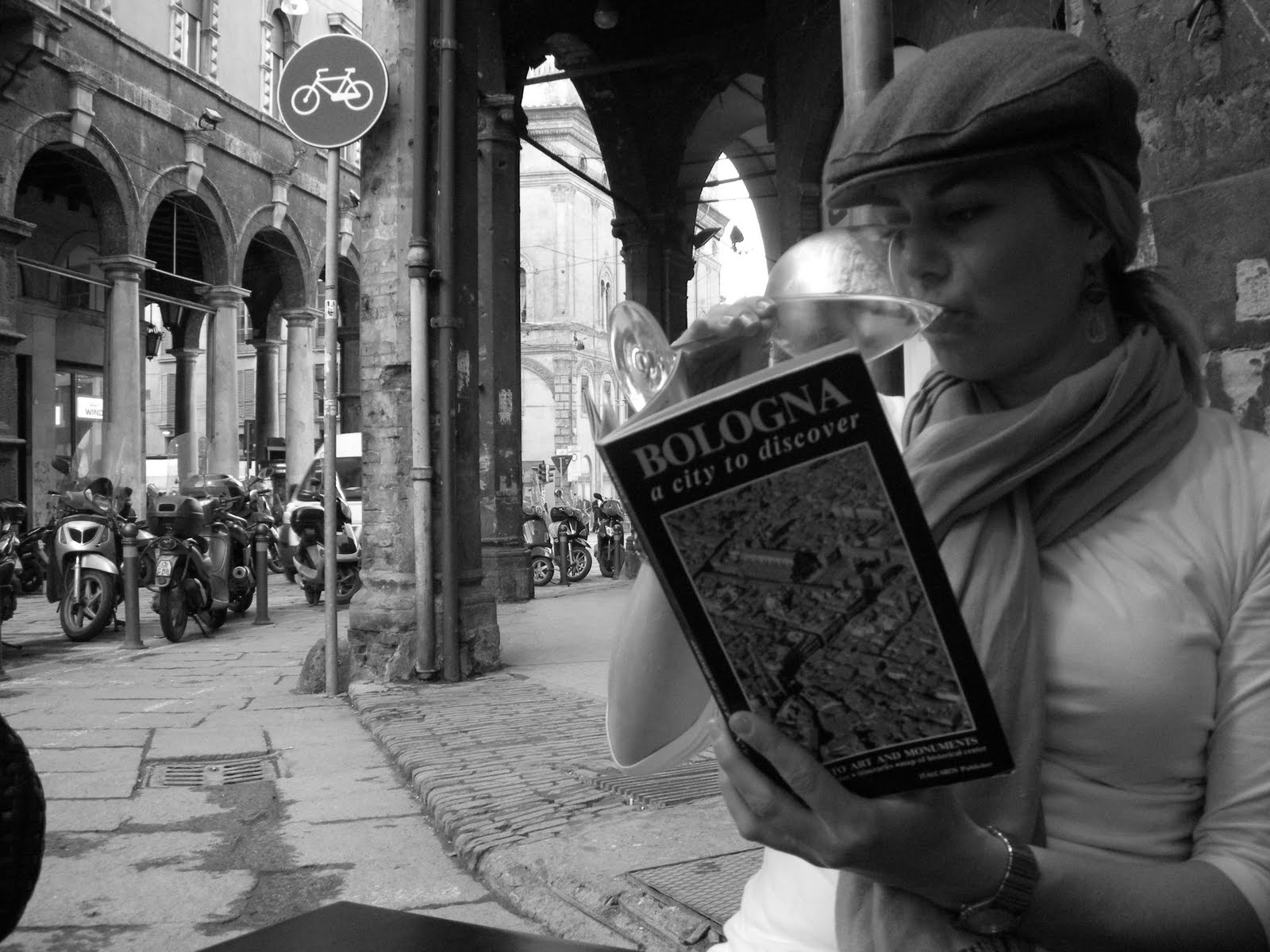
After this carb-o-verload, I marched myself straight to the city center through all of the beautiful arcade-lined streets. I needed the walk. Then, I located an inconspicuous food market where I photographed some gorgeous produce, and then I plunked myself down at a café for a well-deserved glass of wine and the chance to read up on beautiful Bologna. Only my gastronomic adventure wouldn’t end with pasta today…
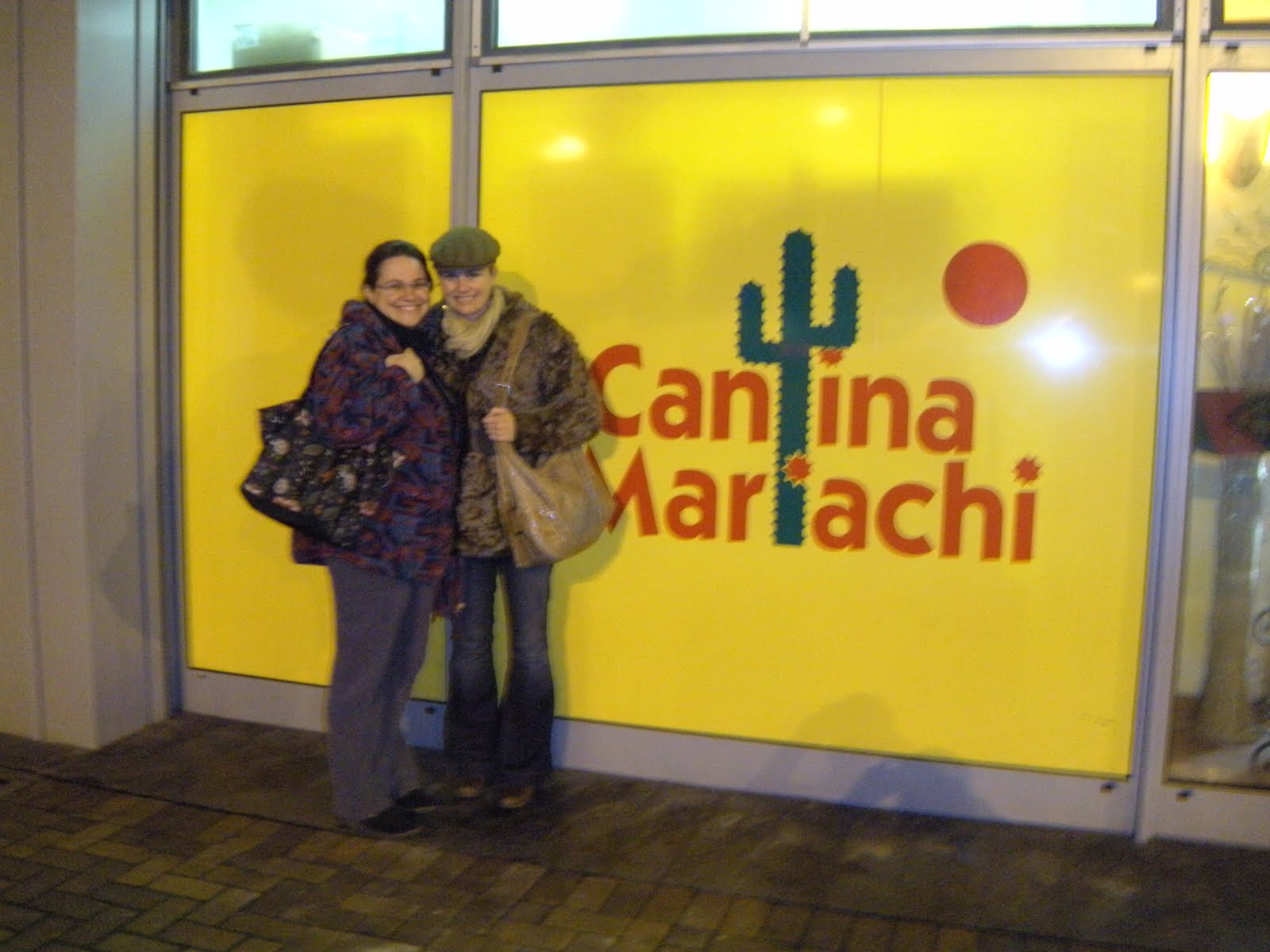
My amazing hosts, Matteo & Julie, took me out for Mexican food tonight. Yes, you heard me correctly. I almost collapsed with excitement when I saw the words “taco” and “nachos” on a menu, and my exuberance probably was a little bit exaggerated. But as I learned today in my pasta making course, it’s the piccolissimo things in life. Like how two basic ingredients that you always have on-hand in your kitchen can create a golden feast for the eyes and mouth.

La Vecchia Scuola Bolognese
www.lavecchiascuola.com

Next Stop: Venice

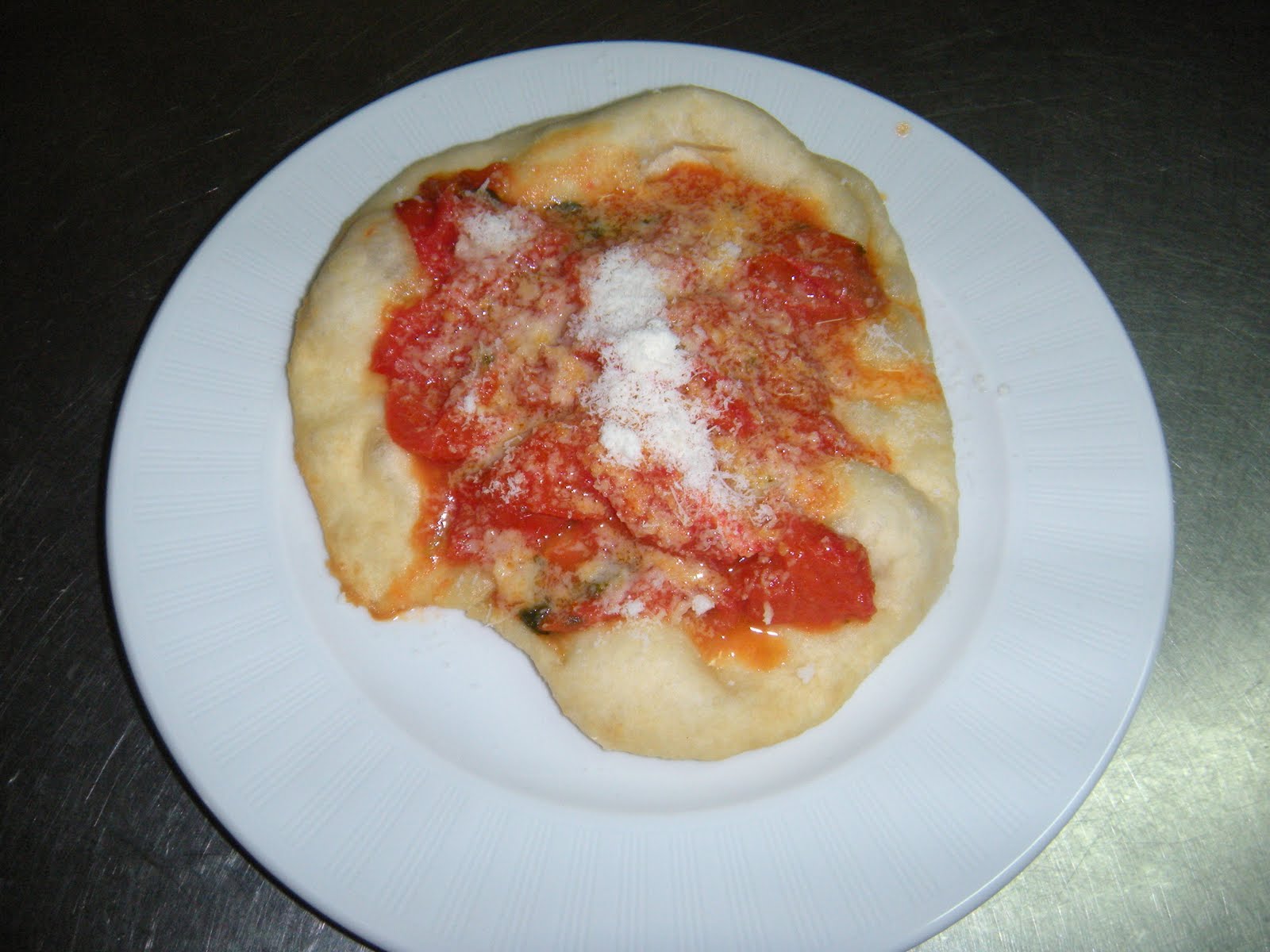
Deep-Fried Pizza. Gnocchi. Saltimbocca. Tiramisu.

Posted on
We woke up on Monday with God crying all over Rome. Was he trying to rain on our parade, or force us inside for one helluva day? Well, I don’t know. But the fact is, when in Rome, a cooking class at Le Fate is a must on your agenda.

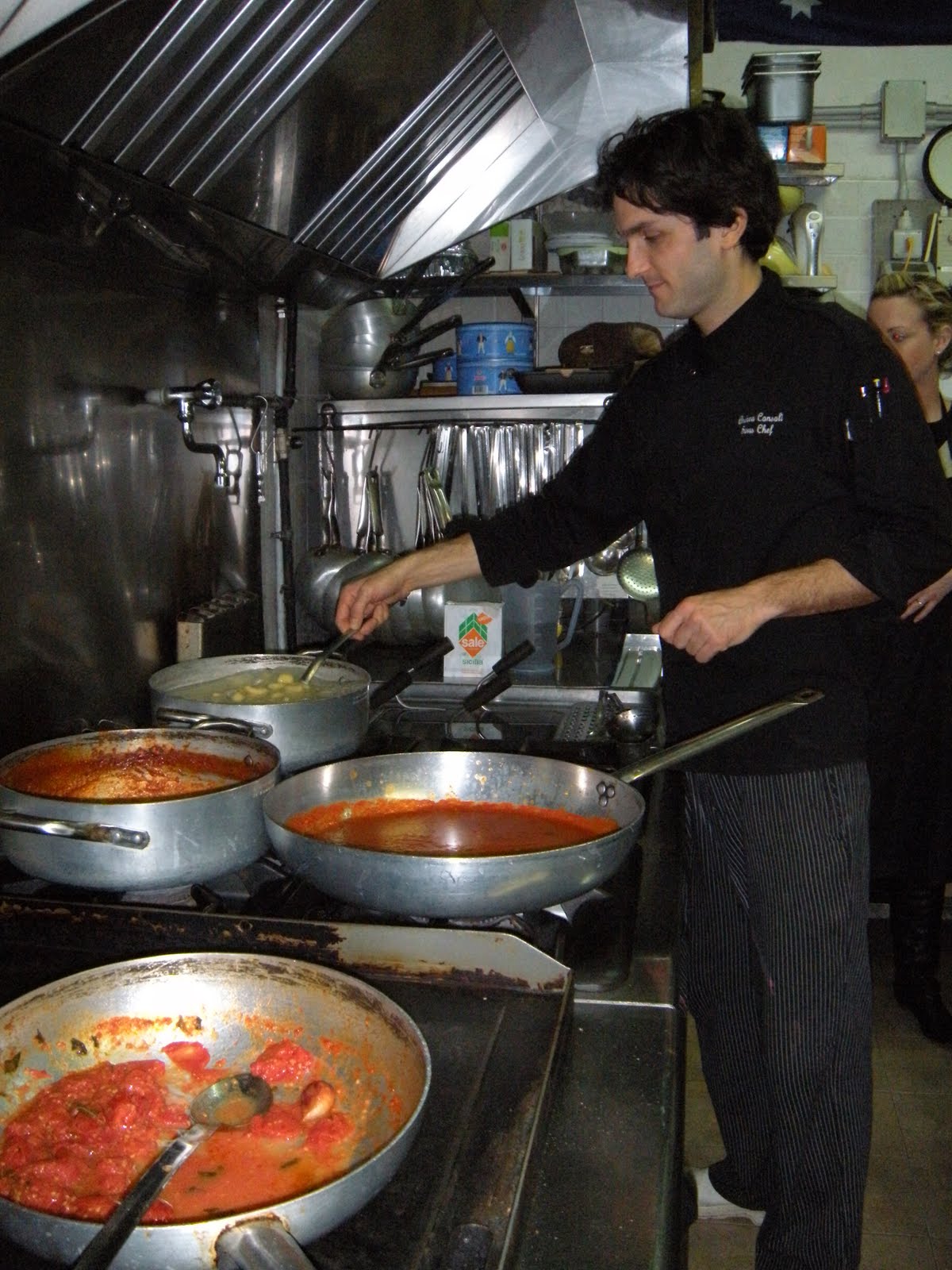
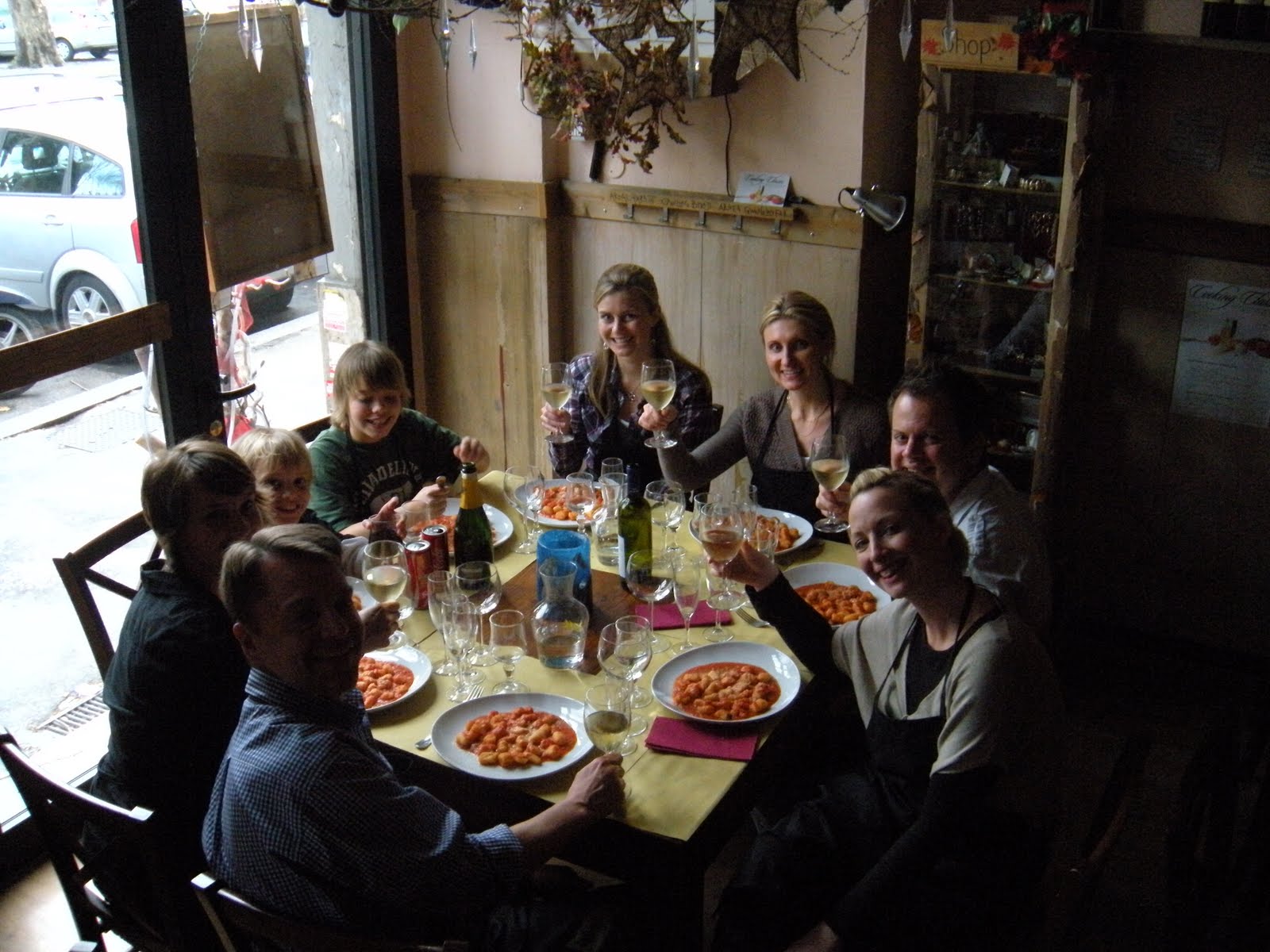
Chef Andrea Consoli led our class of eight people in one of the tiniest restaurant kitchens I have ever seen. To him, it was heaven, and it was obvious how much he loves his job as a chef and teacher as he whisked around the itty bitty space teaching us the recipes for the aforementioned dishes. We would be his pupils and guests in the restaurant for a solid five hours.

One of the most amazing things I learned had nothing to do with the recipes, per se. It was how to choke-down a four-course meal. As we sat down for course #1, Chef came out with a bottle of Frescadi Spumanti, and filled our glasses before we woofed down our pizzas. The reason for this bubbly choice is to open up your stomach at the beginning of a big meal. He hit the nail right on the head when he said, “Sometimes, as a chef, you go through the process of cooking a huge meal, and after, you’re not even hungry. It‘s definitely from tasting as you go, but even the smells can trick your brain into thinking you‘re full.” That happens to me ALL THE TIME. I couldn’t believe I finally had an answer to a question that’s been bothering me for years.

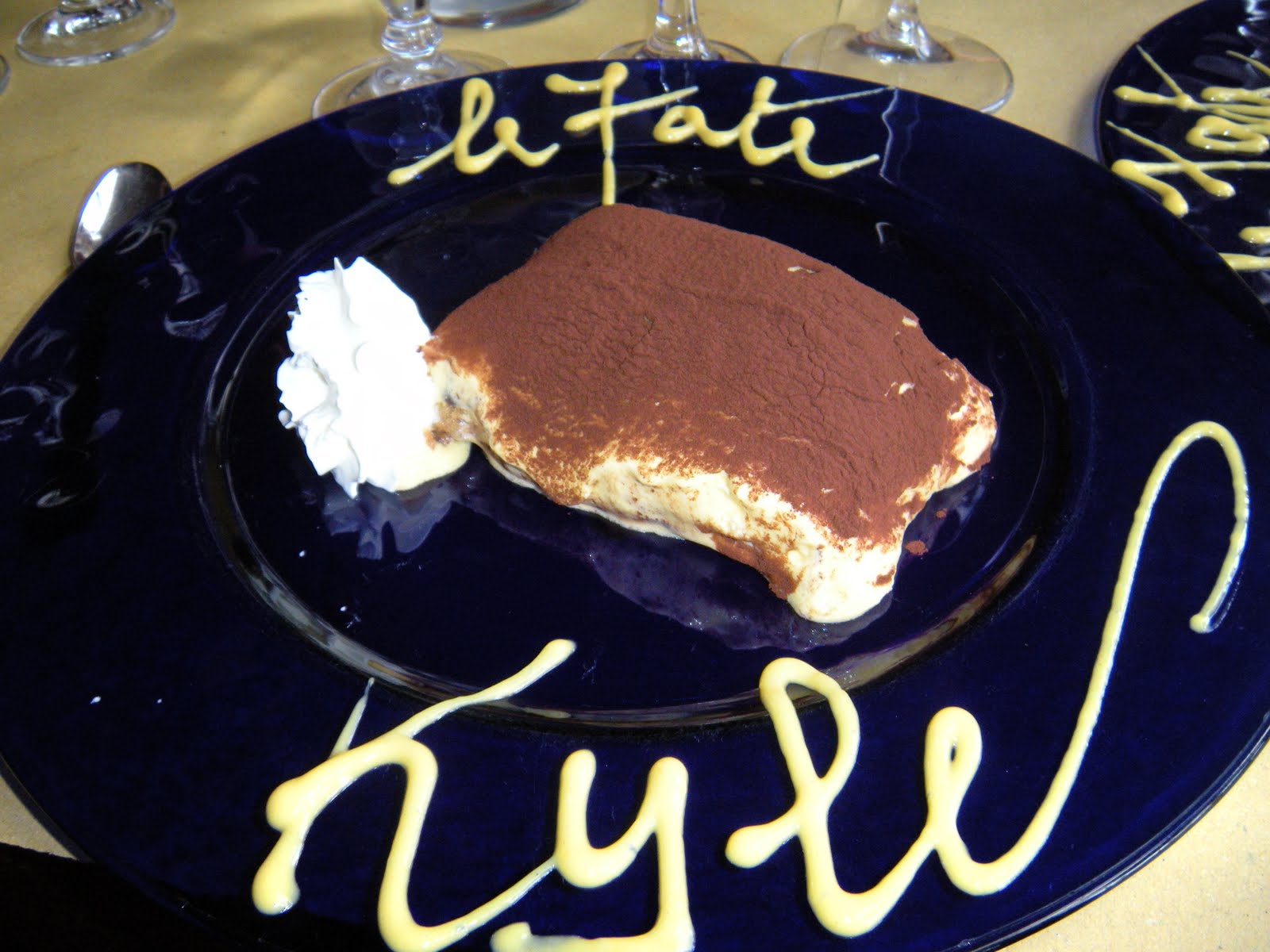
The Spumanti trick worked. Sitting down a relatively full individual, after bottoms-upping my bubbly, I was primed and ready for the impending courses, which were fab-u-lous. We learned to make two kinds of tomato sauces– one canned and the other from fresh tomatoes. And I hearby declare the following: I will never put garlic into my fresh sauces again, and will always use a mirepoix in my canned ones instead of a pinch of sugar. I will only cook with the best tomatoes that I can find, and if I have to, I will import them from Italy for the Selenium content that is rumored to help you live a long life. I will also never purchase gnocchi again, but will make it by hand on Tuesdays and serve it on Thursdays. Lastly, I will suck up my distaste for coffee and make The Senator Tiramisu whenever he wants it because even I can admit when I’m wrong…this was good. 

Le Fate Restaurant (it means “the fairies”) was certainly off the beaten path in Trastevere, but everyone in the class agreed that it was worth the hike. Even the two most junior members of our class…an eight- and twelve-year-old. They were engaged the whole way through like the rest of us. Chef Andreas was passionate about his craft in a way that was refreshing, and in this “Zero Kilometer” restaurant (that means that everything in the restaurant…wine, produce, meat…comes from the Lazio region of Italy), you could tell that when you’re there for dinner or a cooking class, you’re family.

Le Fate Restaurant
www.cookingclassesinrome.com

Dining Like a Diva on Peasant’s Pennies

Posted on

Ally and I had somewhat of a breakthrough in Florence. On two occasions, we were suckered (by ourselves) into having drinks at establishments that were painfully touristy. And we all know that touristy equals expensive. 

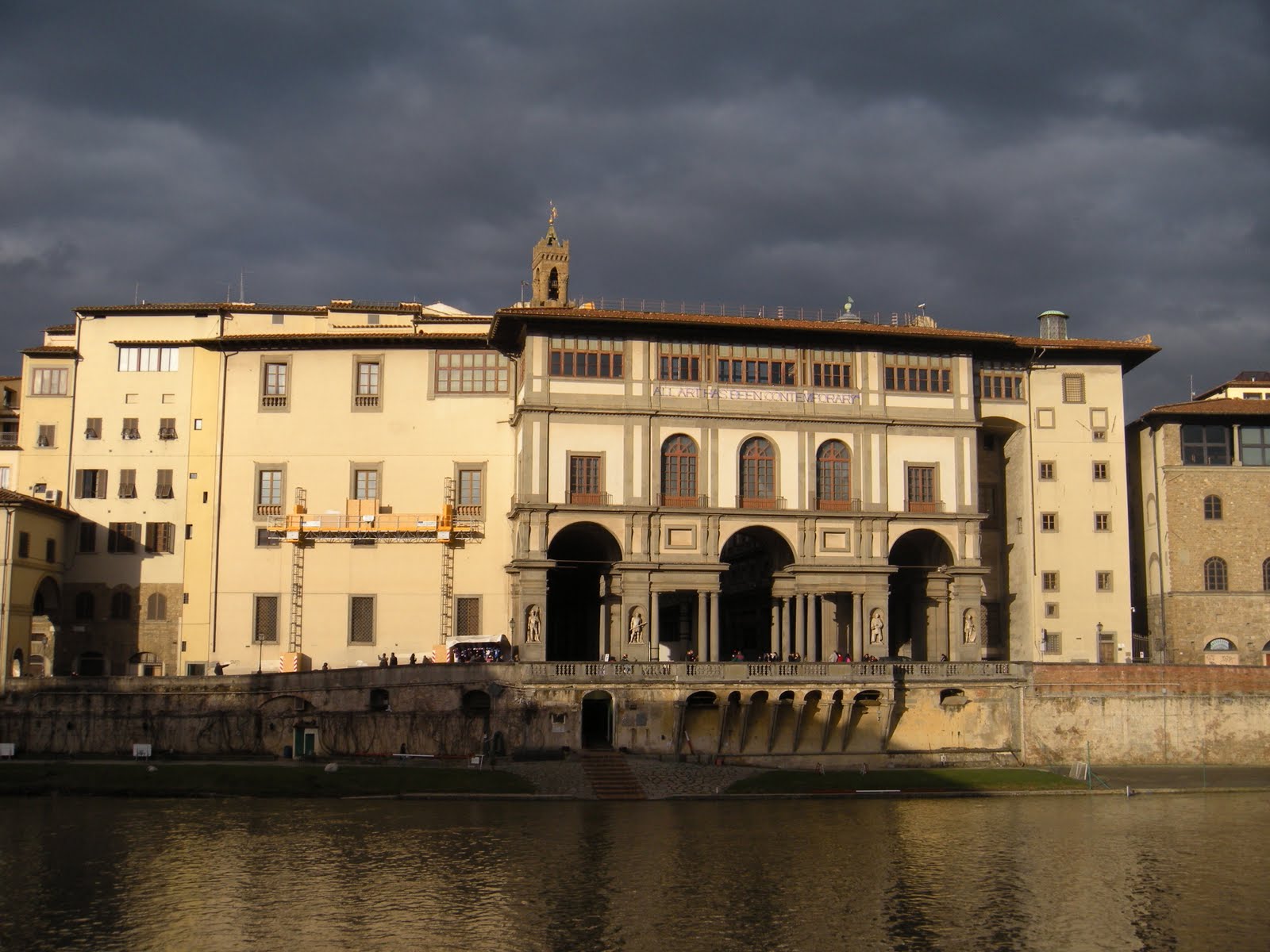
On Piazza della Signoria, overlooking the Uffizi Gallery, we each spent €9 on glasses of wine at an outdoor café. At Harry’s Bar (same as the Venice original), wine was €7 a glass. We were glamorous as glamorous could be for the twenty minutes we sat in each place, however, the ding in the pocketbook did nothing to quench our thirst.
BUT, in each case, a welcome surprise arrived on the waiter’s tray with our vino: sandwiches and snacks reminiscent of High Tea at The Ritz in London. We thought it was an anomaly the first time, and then it happened again at Harry’s.
And that’s when it donned on us…
For €7-10, you could have a drink and eat pretty well on what they provided. Did we have it all wrong- searching the city for the most cost-effective bowl of pasta when diva dining was under our noses the entire time? We had mini sandwiches, olives, skewers of prosciutto and mozzarella in an orange, and more. And what’s better? We didn’t ask for any of it.
The point is, don’t count this out as a method of enjoying an evening at a ritzier place than you might normally stumble into. Sure, you should probably dress up a little (baseball hats need not apply), and you would certainly have to be amenable to eating what they brought you. But if you can acquiesce a bit, you too can be a part of the 21st century libation lallygag. It’s like a pub crawl…with food…and so much more fabulous.

Tasting the Riches of Firenze

Posted on
I decided instead of taking a cooking course in Firenze, I would do something a little bit different. The result: a one-on-one Pecorino, olive oil, and balsamic vinegar tasting. In an area where the olive and grape reign supreme, this would prove to be a magnificent idea for an afternoon out of the rain. Does anyone actually know how balsamic vinegar is made? I do now. But more on that in a bit.

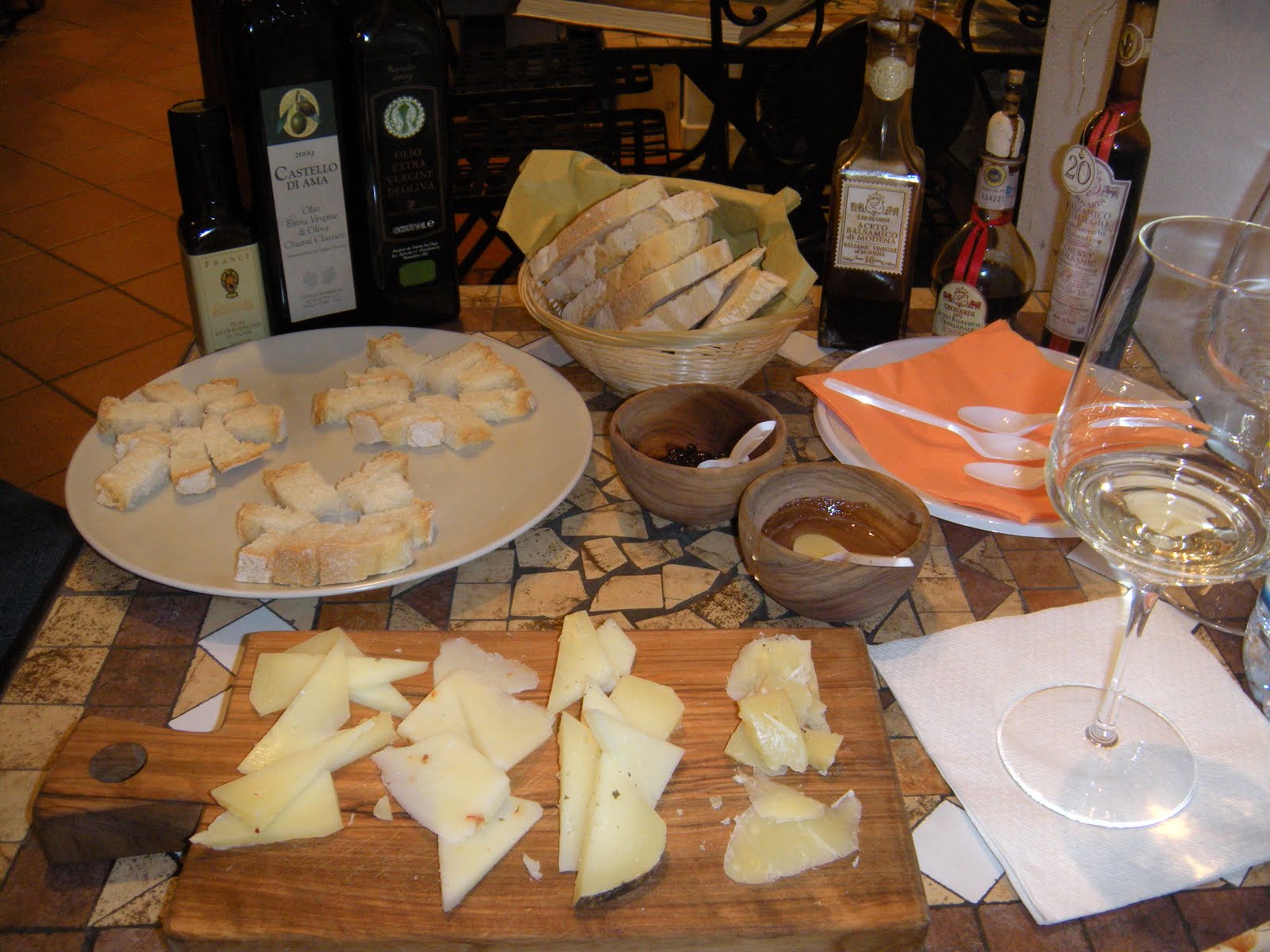
I started by tasting my way through four different Pecorino cheeses. Pecorinos are hard, sheep’s milk cheeses, and the ones I tasted were both new and aged. From a plain new cheese to the pepperoncino, and then aged plain and walnut-flavored, these cheeses were to die for. And it was so interesting how their composition was the same, but the resulting tastes were so different. I sampled these with both honey and cherry jam. Fantastico!

From there, we moved onto the olive oils. I tried three from the Val D’Orcia, Chianti Classico and Montalcino areas of Italy. The olive oil from Val D’Orcia was light and aromatic, and made from Olivastra olives. It tasted fruity, and was more yellow than the next two. It was excellent, and would be perfect on a salad. The second oil, from Chianti Classico, smelled like artichokes, and coincidentally was greener than the previous. It was also more bitter, but in a way that nudged your taste buds at the end in a friendly way. It was made from Correggiolo, Moraiolo, and Lecchino olives. The last one from Montalcino was the strongest and most bitter of them all. Made with Moraiolo, Frantoio, and Pendolino olives, this would be great with a strong fish like salmon to contest it’s more pronounced flavor.

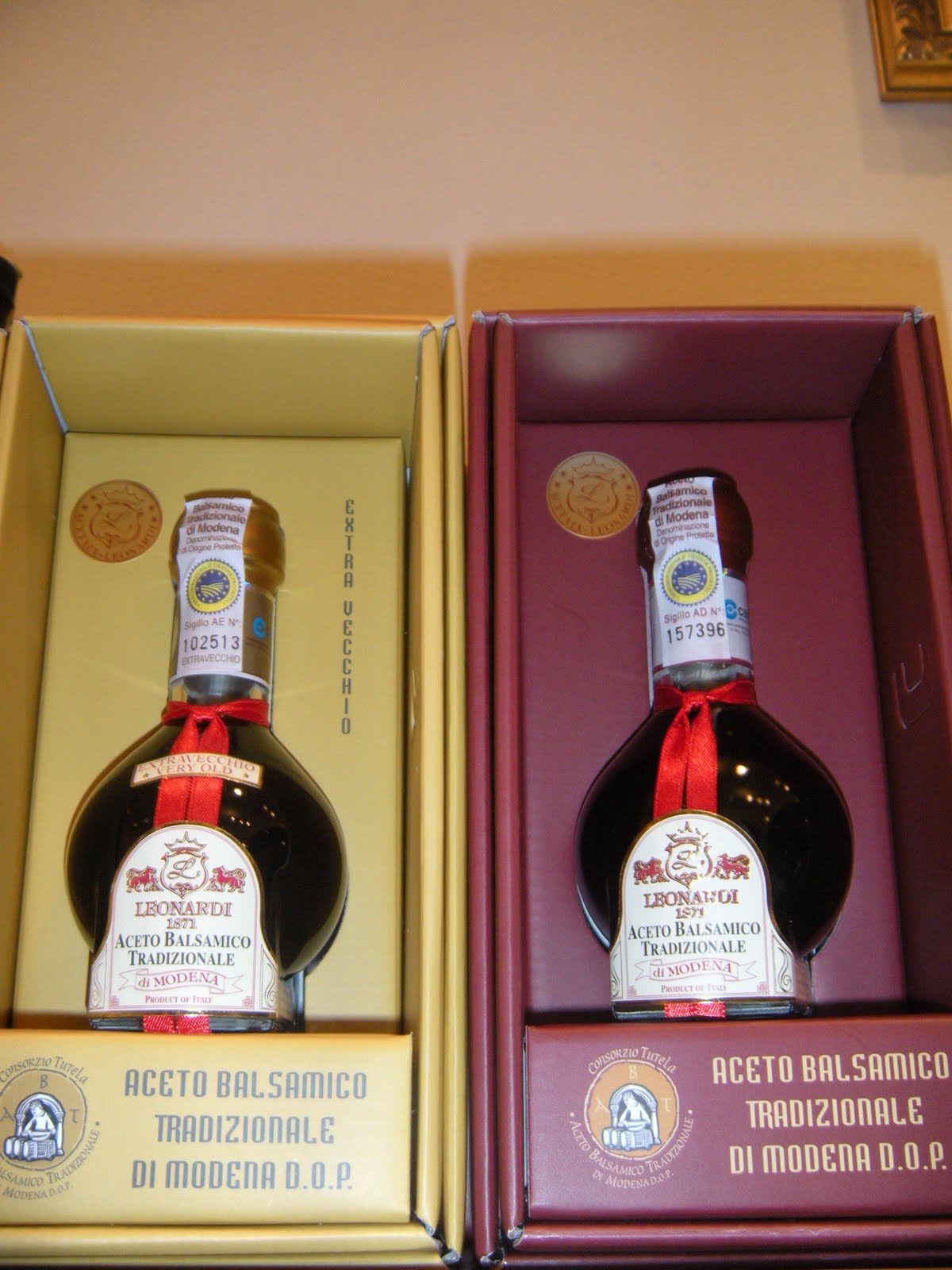
We finished up with the balsamic vinegars, and this was a real treat. All three were the same brand, “Leonardo,” but they each had different flavor profiles. I’ll start by mentioning that any good balsamic vinegar should be made with Trebbiano Modenese or Lambrusco grapes. The first one (#10) was a Balsamico di Modena, and it tasted like brown sugar. It was beyond good. By the way, did you figure out how balsamic is made yet? If so, the “#10” designation will mean something to you.

The second one was a Tradizionale, and the shape of the bottle was different than the first. This is deliberate, and like the A.O.C. designation in France, a balsamic vinegar cannot be coined as “Tradizionale” unless it’s sold in this particular bottle. This vinegar was even sweeter than the one before, and as I told the woman, “It tasted like the darker part of the sugar on a crème brulée.” It was beyond good. Lastly, I tried a #20 Balsamico al Ciliegio, a cherry-flavored vinegar. It was a bit tart, but not in an overwhelming way. At the end, we mixed the olive oils and vinegars in a variety of orders, and I tried some of the vinegars with the cheeses. What an afternoon…

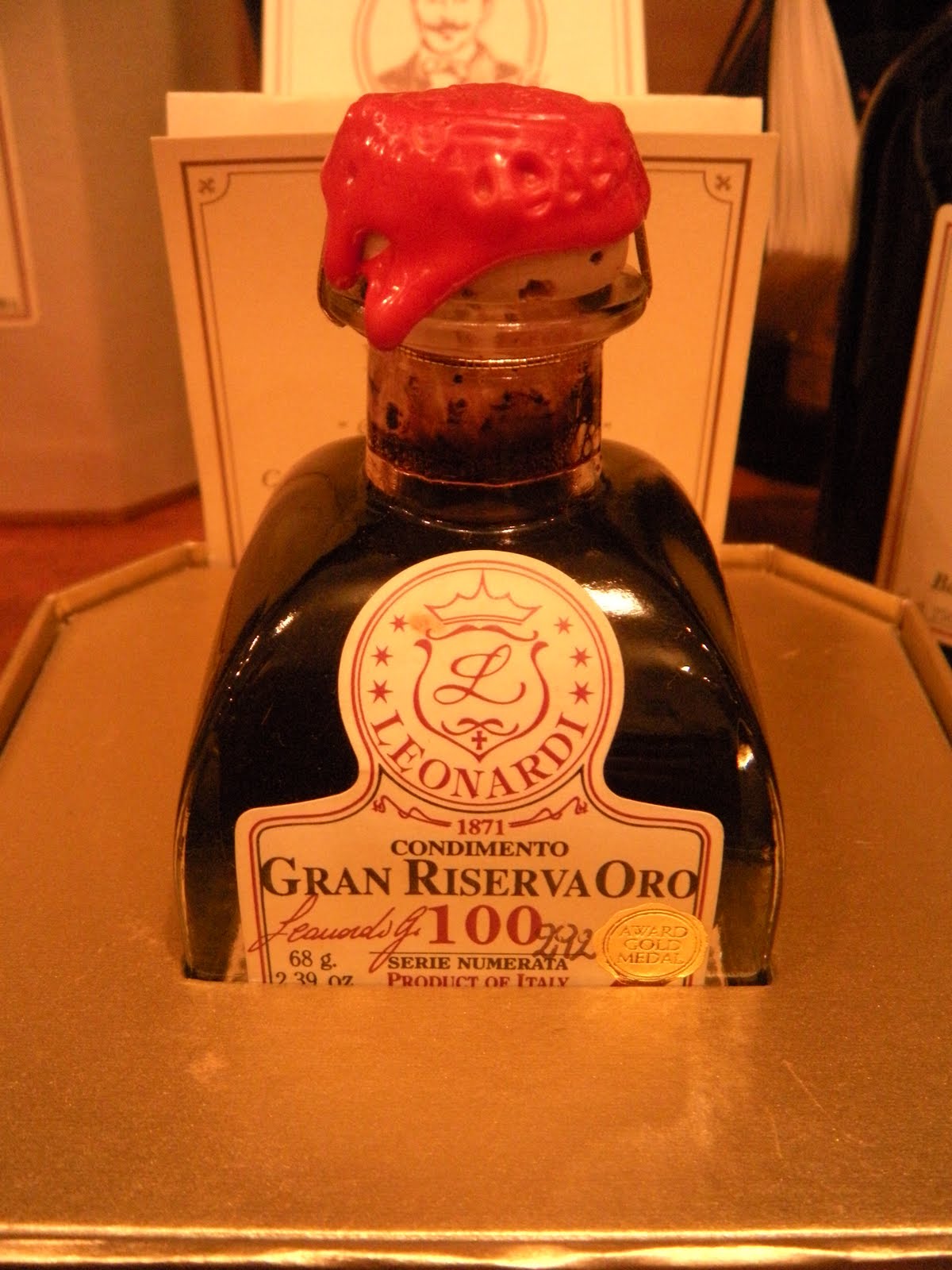
As we finished up, my teacher showed me around the store and we looked at a balsamic that was €240 for a 100ml bottle. It was #100. Allow me to interject at this point and describe what the numerical designations mean. They’re not years as you might assume, but instead, it’s the number of “travasi,” or the times the vinegar moves to successively smaller barrels. The barrels are uncorked, which allows the bacteria to activate, and also allows the water to evaporate from the vinegar. Moving it to the smaller barrels is what concentrates it, and the result is the amazing flavor. Thus, the more barrel action a vinegar gets, the richer it’s going to taste (and the more it’s going to cost).

If you’re looking for an alternative to the living museum that is Florence, do yourself a favor and taste some of their epicurean treasures. For €29, this was an hour well-spent.

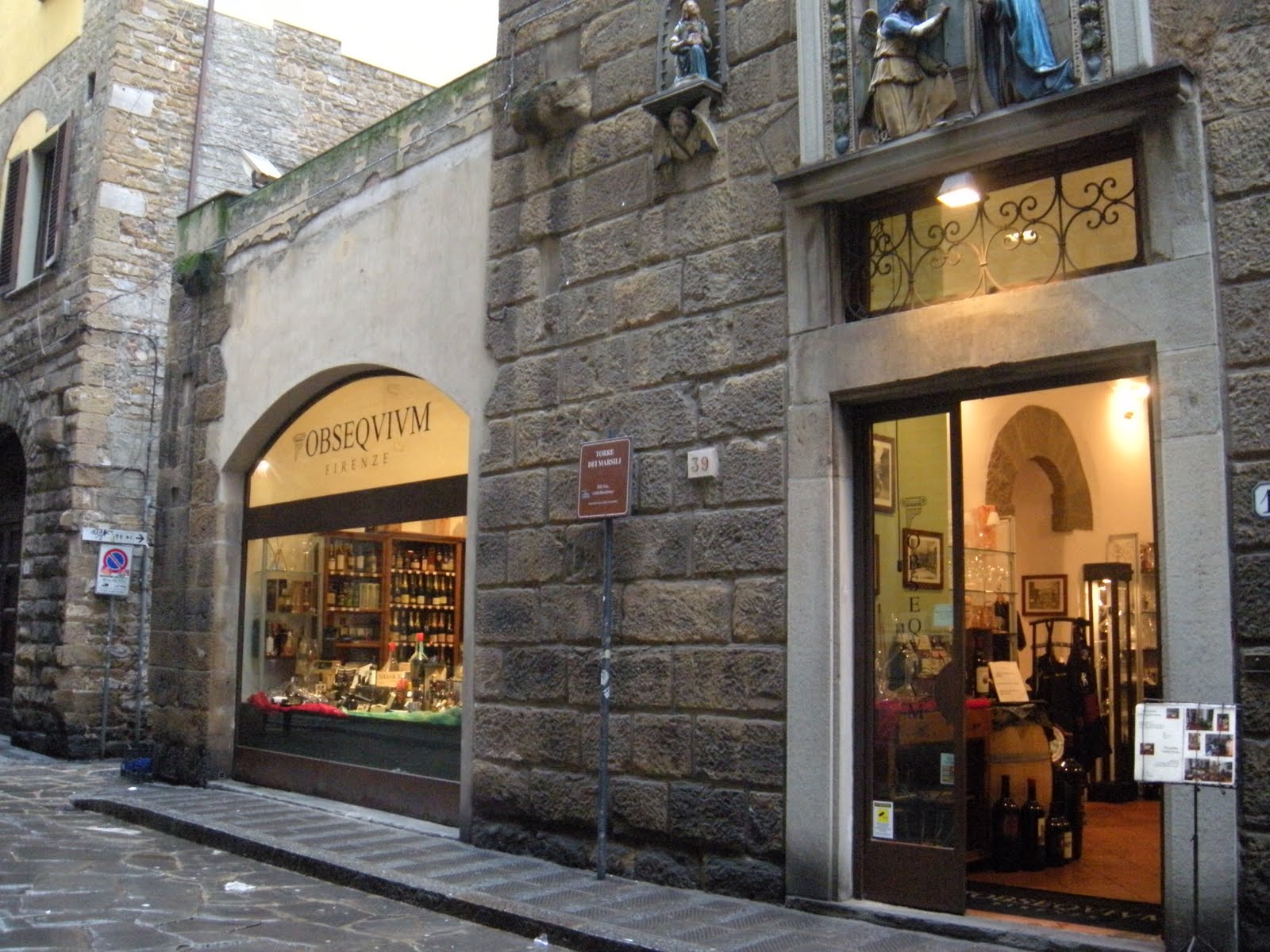
1Obsequium
Borgo San Jacopo 17/39
*Booked through Italy Segway Tours

Next Stop: Rome

You Get What You Pay For

Posted on
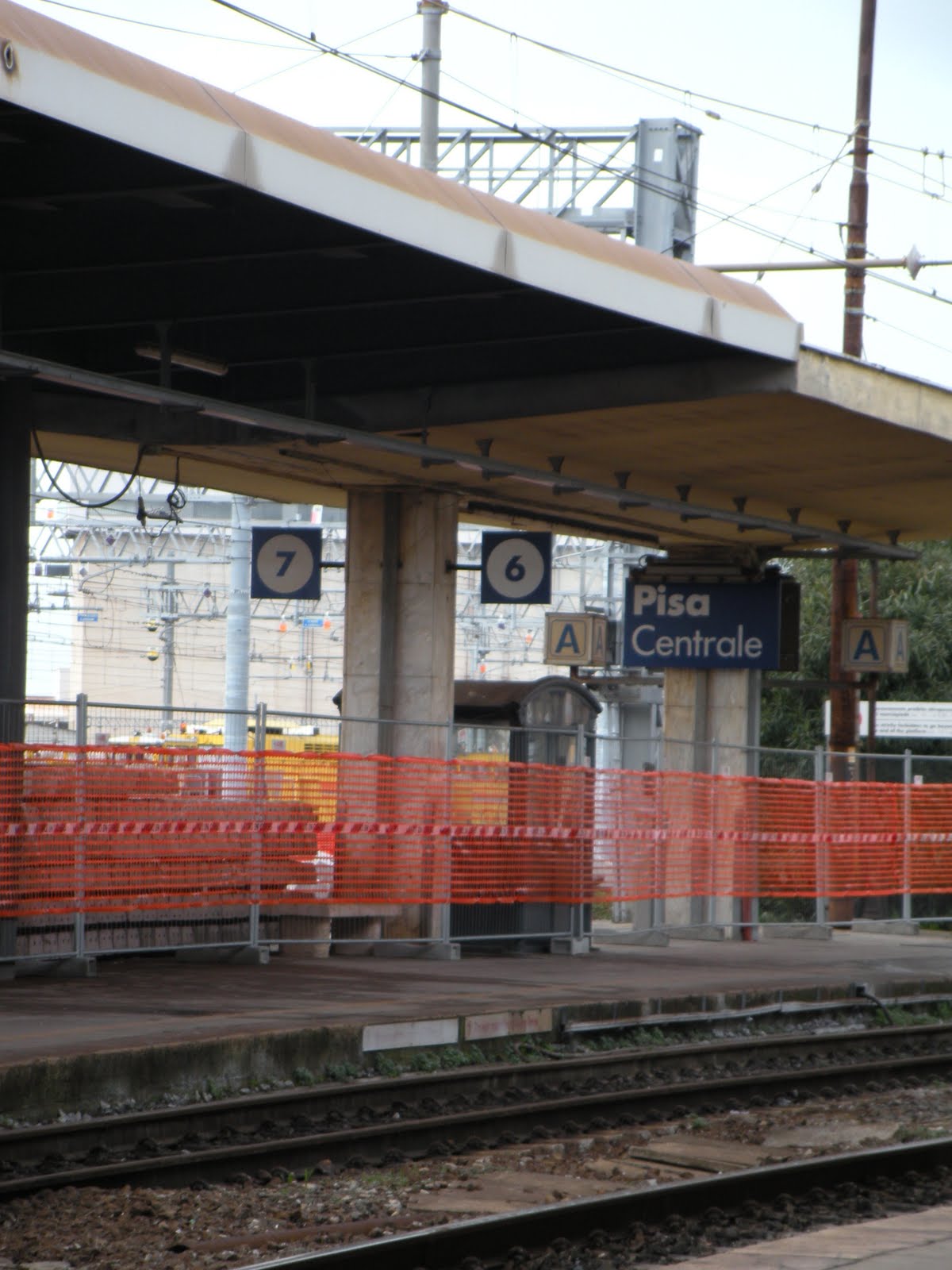
Italian trains leave a lot to be desired. A LOT. Our departure was delayed by a half hour (along with every other train on the board), and we’ve crawled maybe 300 yards from the station in Pisa and have stopped about five times for no apparent reason. I could get out and pogo stick pulling my suitcase faster than this.

The one exception I’ll make to this complaint involves their tariffs. For €5.60, we got our onward tickets to Florence complete with a KISS FM-style concert in our cabin by two harlequin-haired Italians. I’m actually not sure if they even know that anyone else is sitting in here. Or maybe they don’t care. It’s like an American Idol audition, and in their most recent ballad (an Italian song), I recognized only one word: “vaffanculo.”

Ironic, because that’s how I feel about this train right now. I’ll let you look that up yourself.

Next Stop: Florence

Paris Cooking Classes…Take Two

Posted on
Traveling back to Paris meant I’d have time for two more cooking classes…on the same day.

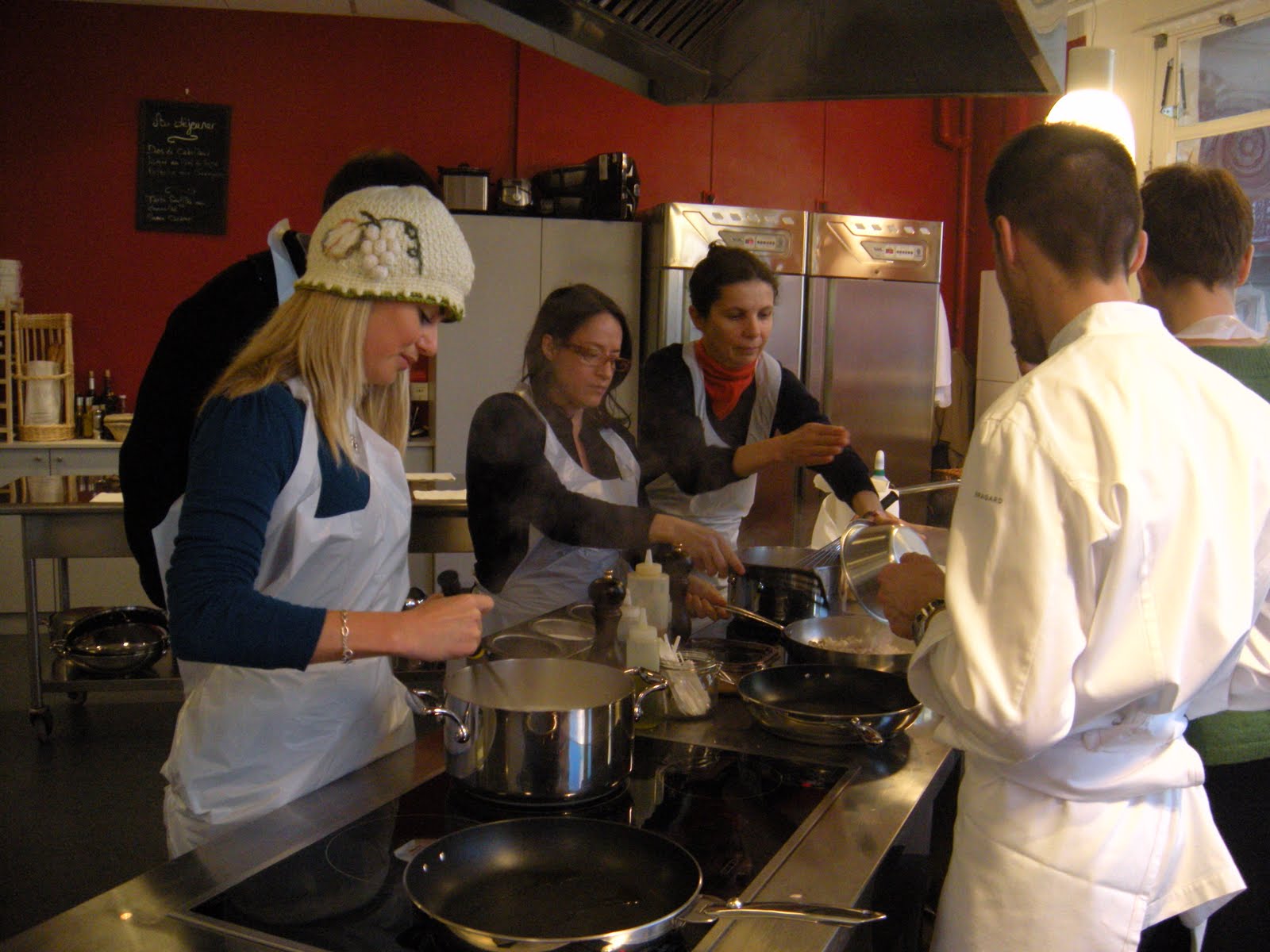
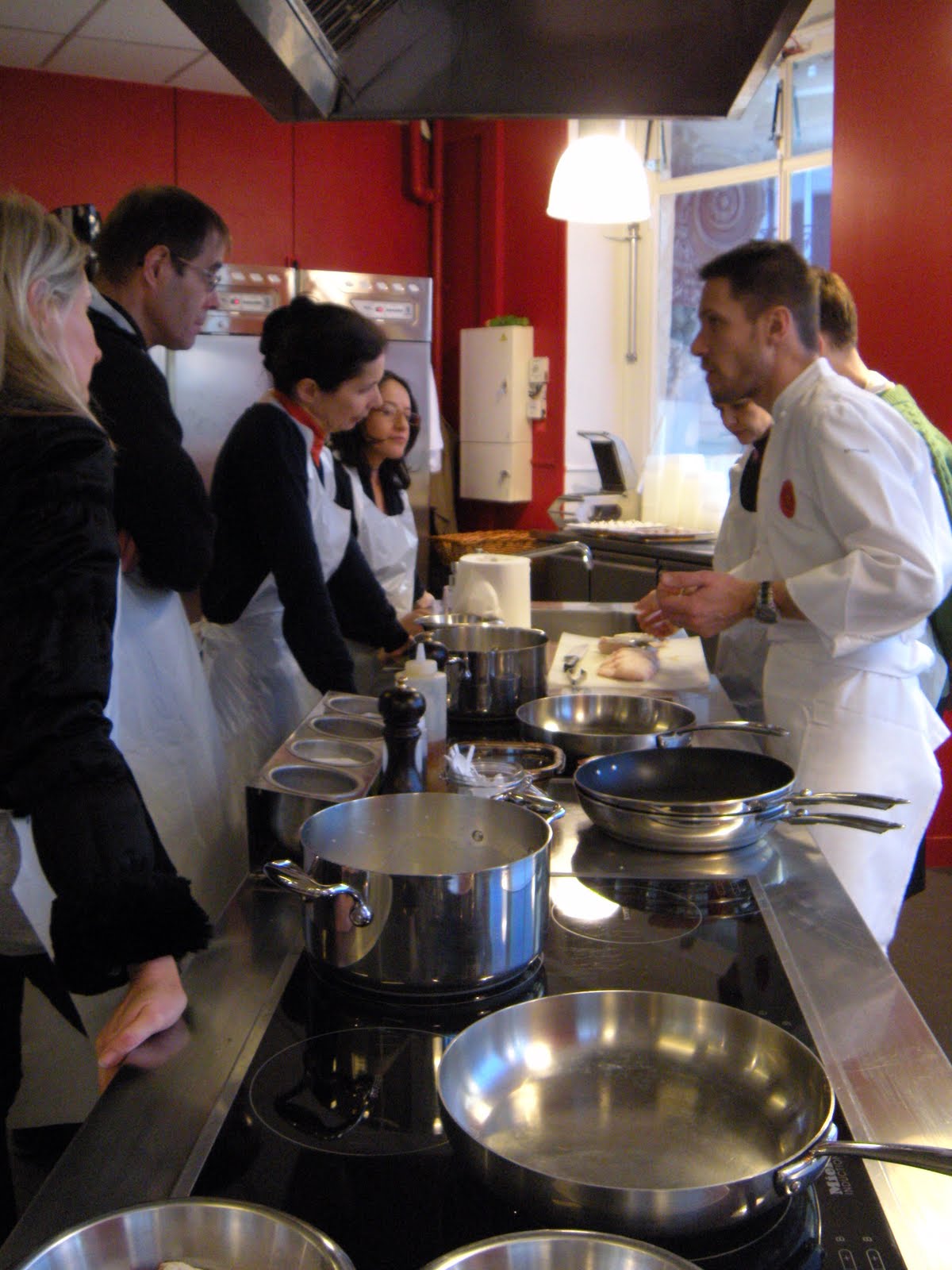
Ally and I participated in what I consider to be one of the best values in Paris today at Ateliers Des Chefs. There are six locations scattered about the city, and for €15, we cooked our way through a quick (30-minute) lunch menu in a rather chic demonstration kitchen at the BHV on Rivoli near Hotel de Ville. There were only seven us in the class, which meant it was pretty hands-on, and easy to take notes and follow along, especially since the classes are conducted in French.

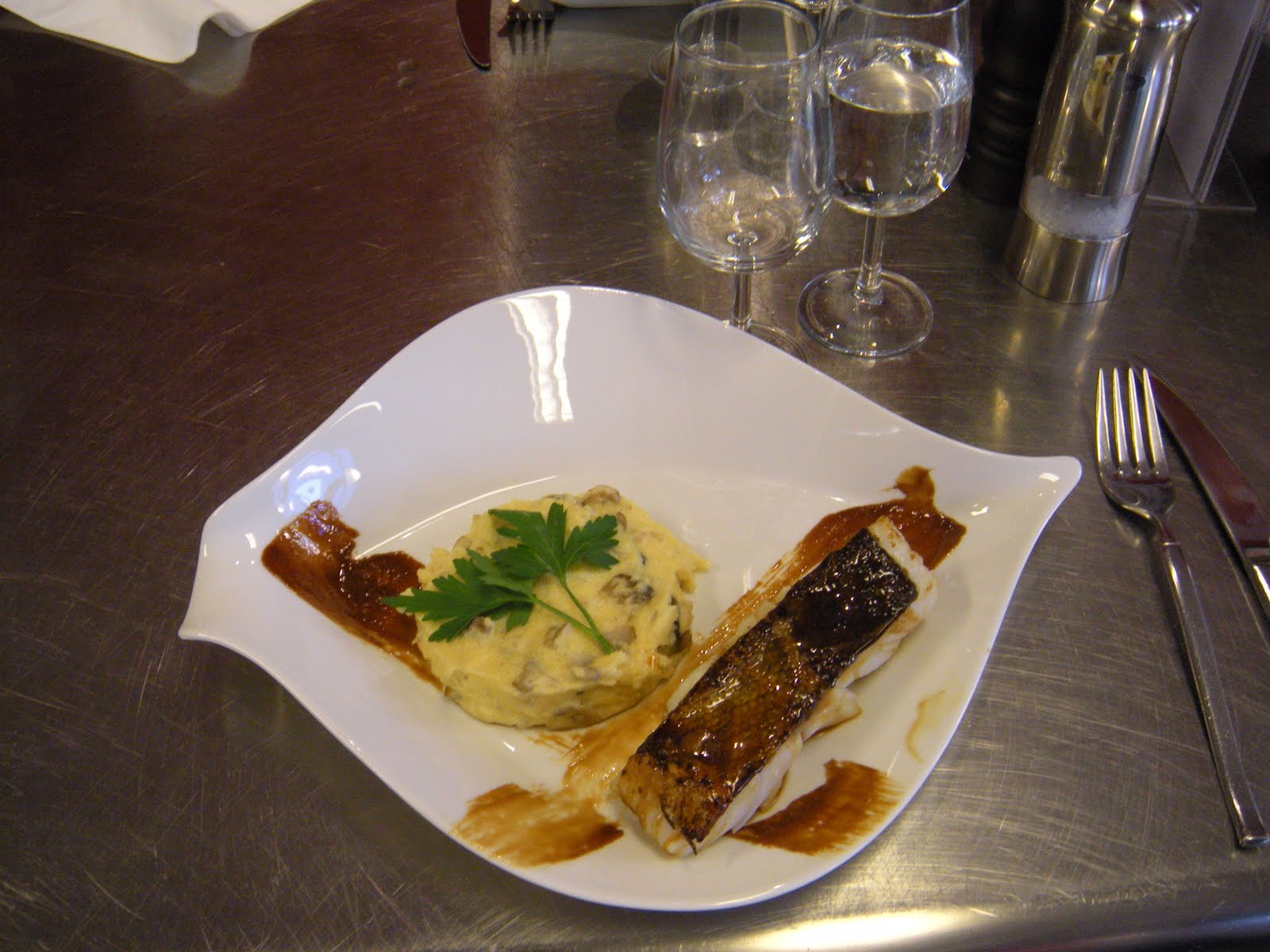
Menu: Codfish with a Honey-Soy Glaze and Polenta with Mushrooms

This menu was as easy as it sounds, and if you can understand French, these classes are a huge bargain. The menu was simple and truly done in 30 minutes (where were you on this one, Rachel Ray?), and the food wonderful when we sat down to lunch with the rest of our class.

Ateliers des Chefs
www.ateliersdeschefs.fr

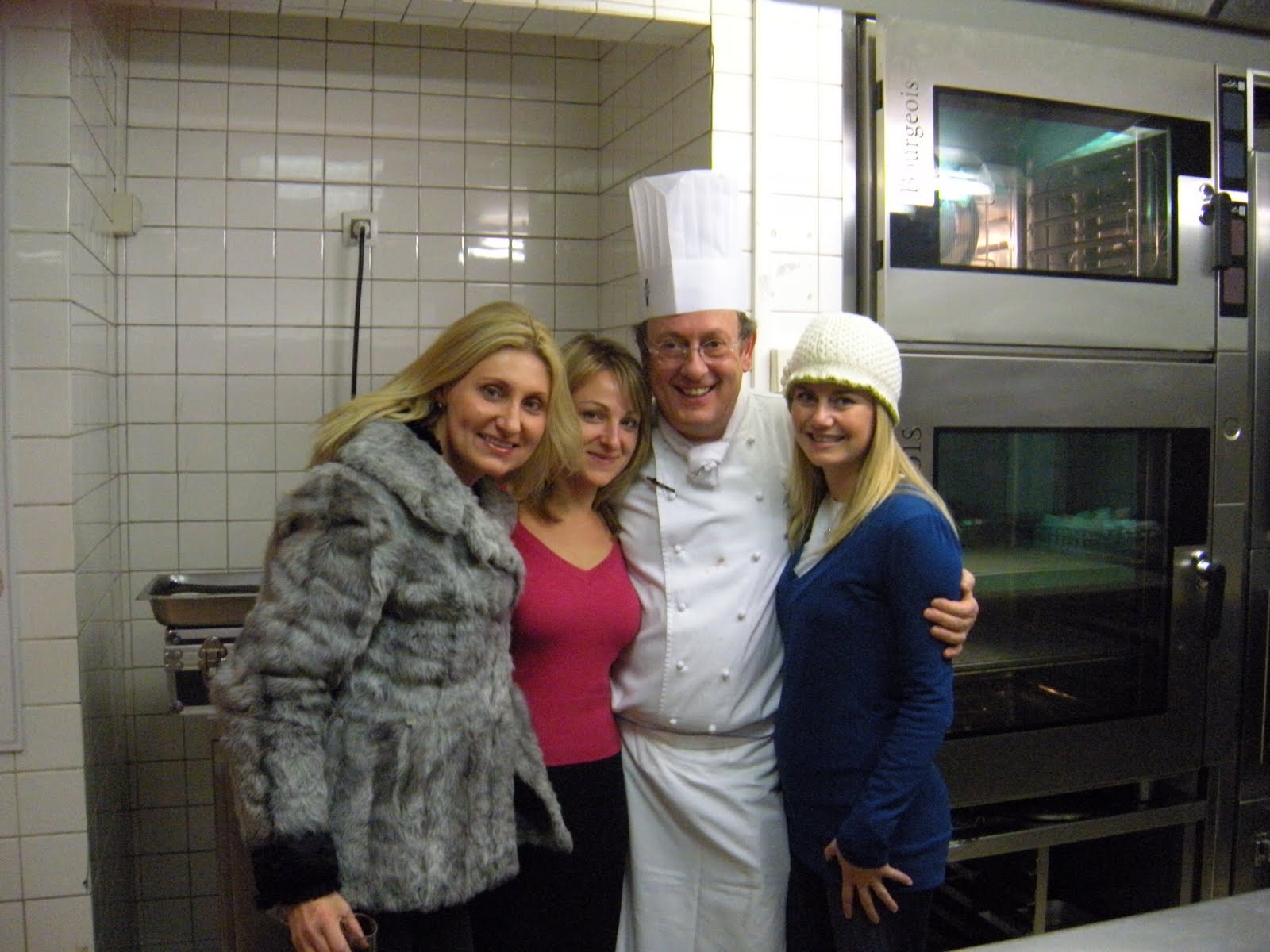
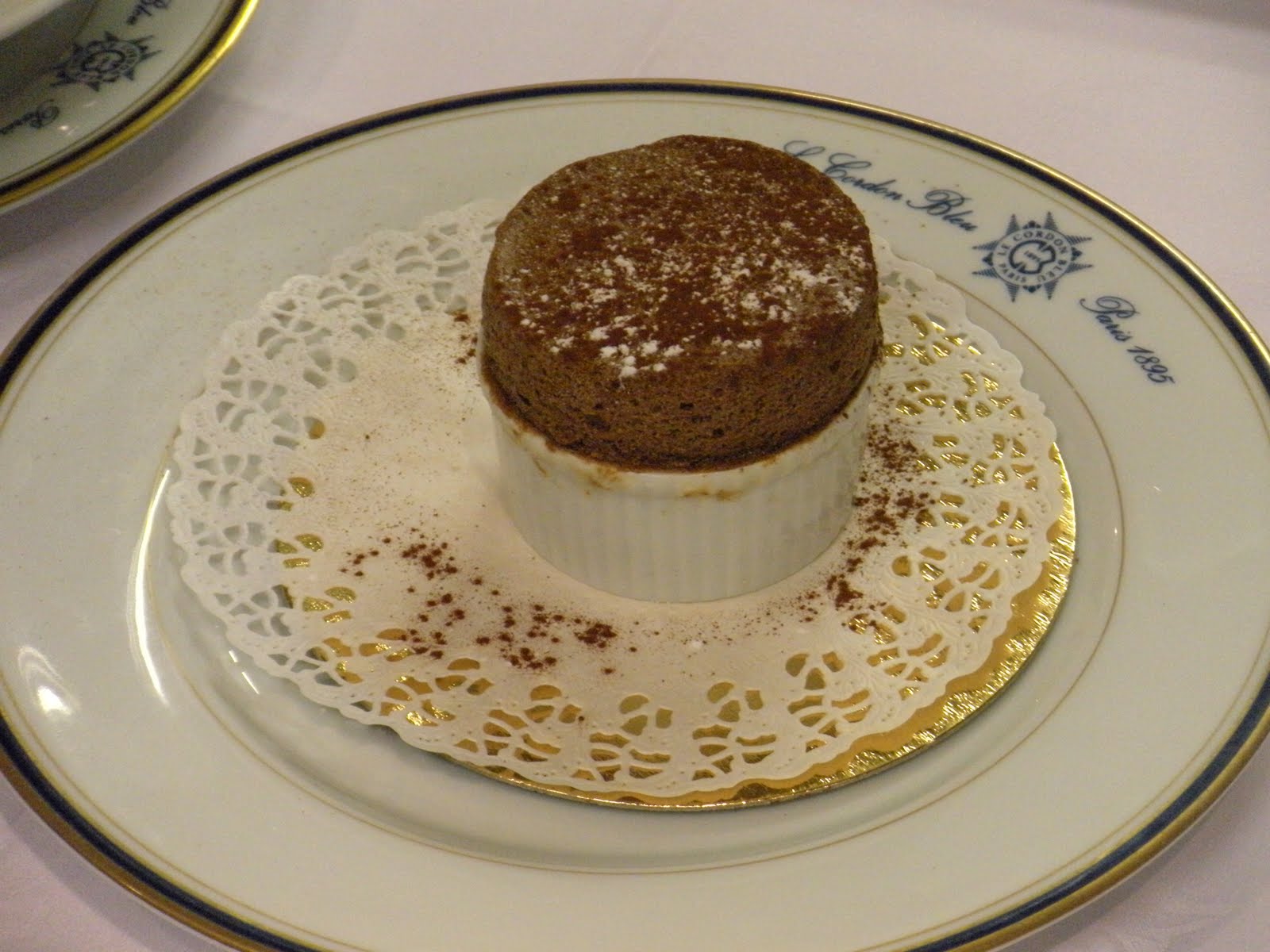
In the evening, Ally, Leila and I moved from one side of Paris to the 15th, home to the colorfully named culinary school, Le Cordon Bleu. It’s on a pretty residential side street, and if you weren’t looking for it, you’ll probably walk right past. In our second class of the day, however, we would get very familiar with butter, heavy cream, and milk on repeat in some version of that order. This was An evening In Honor of Julia Child.

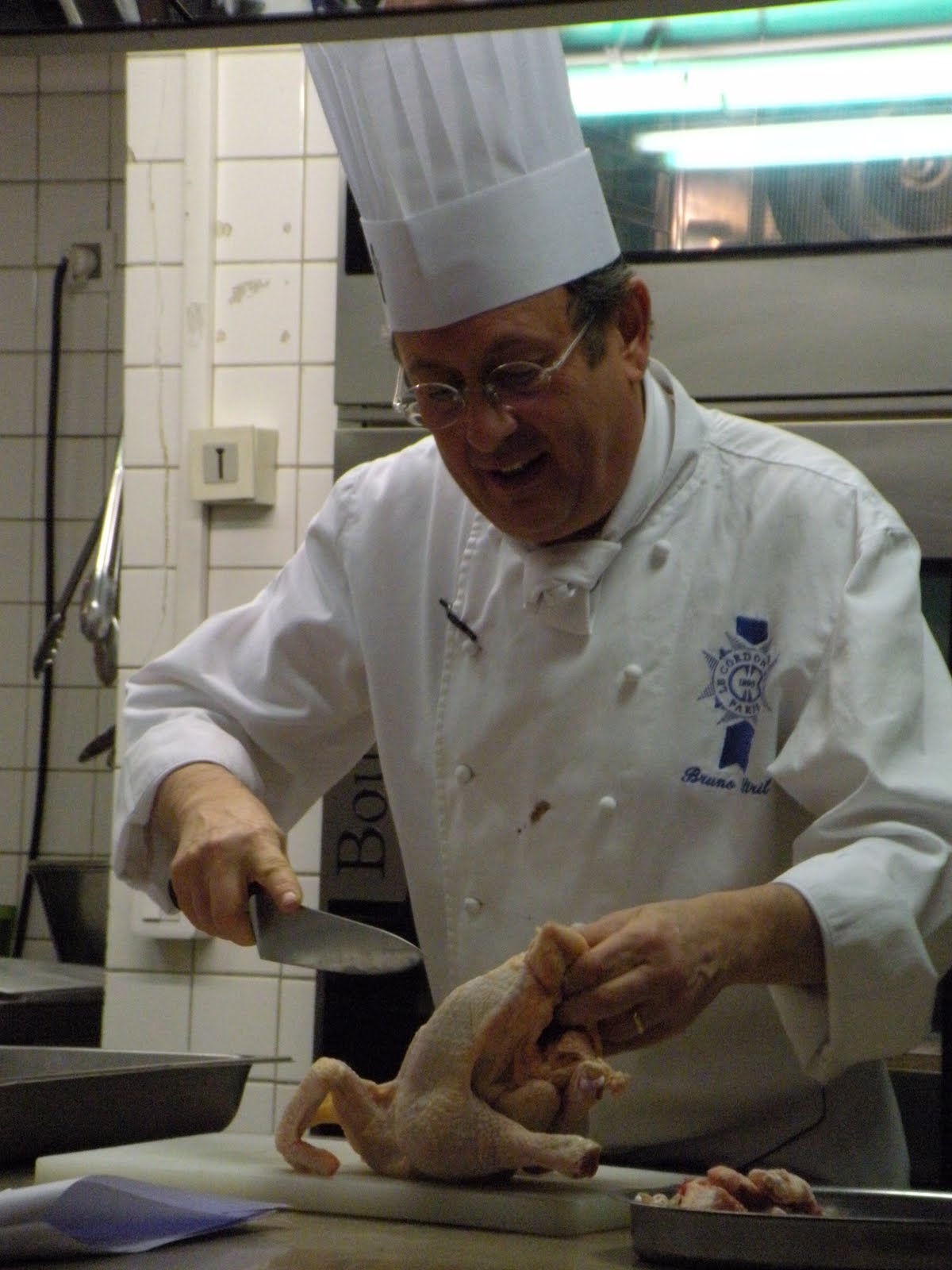
Entirely demonstration-based, the class at Le Cordon Bleu was three hours long. Chef Stril spoke only in French, but a translator was on-hand to assist the mainly English-speaking audience.

Menu: Coquilles St.-Jacques a La Parisienne, Fricassée de Poulet a L’Estragon, and Soufflé au Chocolate a L’Ancienne

We started out by making the pastry cream for the soufflé, and I have to say, I don’t consider the art of the soufflé nearly the death-defying feat I did in the past. Would I call this dish easy or fit for a beginner? Not a chance. But Chef did make it look easy. And all soufflés are bound to fall, so if that’s your hang-up, break out the ramekins and let it go. Chef Stril couldn’t be bothered as the air went out of his chocolate towers; he just opened another bottle of wine. C’est la vie, I suppose…

From there, we learned the proper way to segment a chicken into eight pieces for our chicken with tarragon sauce. Chef made quick work of removing the spine, and at dinner after (I should mention this class only resulted in Barbie-sized tasting plates..and wine…there was wine…), we all agreed that this was a skill definitely developed over time. And this dish took time. 

He browned the chicken, then removed it, then used the chicken fat that had rendered off as the base for the sauce. We learned the right (and easy) method to peel a tomato, and then watched as two assistants diced them into uniform pieces for the Chef. He told us how there is always veal stock bubbling away in the Le Cordon Bleu kitchen downstairs because it’s involved in so many of their preparations; that went into the dish too. And we learned how to make a pot lid from parchment paper, which put our dish out of sight and mind while he worked on the scallops and potato cakes.

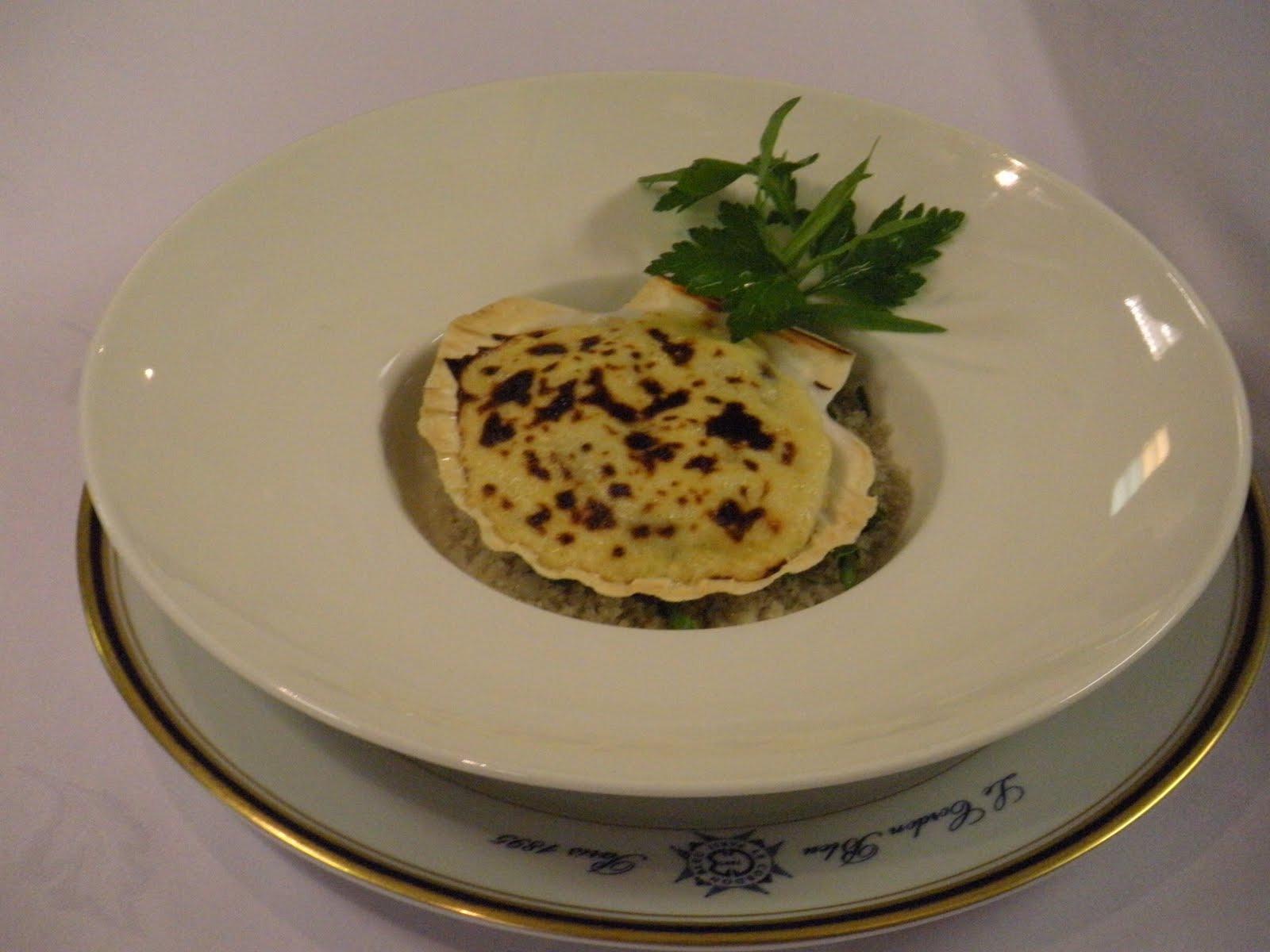
Our next dish was quite “Republican,” as someone I know likes to say: scallops and mushrooms in a white wine béchamel-style sauce served on the half-shell. This was the star of Chef Stril’s show; we all agreed on that. He opened up the scallop shells to access the meat, and kept the coral egg sack as part of this dish. It’s a gorgeous hue, but I didn’t have any on my plate and probably would have skipped it. After sautéing the scallops until they were only cooked part of the way through, he sliced them into 3mm disks and set them aside. He added shallots and sliced mushrooms to their pan, and then deglazed with white wine and added cream. At this point, he got started on the sauce. Butter, heavy cream, milk, and more, more, more of it all went into the sauce, and at the end, he tempered in egg yolks to help the dish brown under the salamander.

The result, a feast for the eyes and mouth. A buttered shell, a scoop of the creamy mushroom mixture, sliced scallops atop, and a slather of the béchamel to cover the shell. Under the salamander (a broiler would work too) for about five minutes, and Chef Stril had made somewhat quick work of the Coquilles St.-Jacques. I almost dove onto the table for the example one. It was that good.

I can see why they don’t let the audience participate in a menu like this one. It took our Chef about two-and-a-half hours to get this together and he’s been doing it for 40 years. It was a great learning experience though, and since it is hands-off, anyone could participate and have fun…young, old, or food-fearing.

Le Cordon Bleu
www.cordonbleu.edu

Next Stop: Italy

Lord Byron Says…

Posted on

“Lobster salad and champagne are the only things a woman should ever been seen eating.” I agree to disagree, Lord. 

Women should also be seen eating Maille mustard , macarons from Laduree, falafels on Rue de Rosiers, and drinking wine from baby bottles at Refuges des Fondues. Why? Because all of those things happened yesterday in Paris as Ally and I criss-crossed the city in search of vintage fur coats. We found them. 

Next Stop: 
Two Cooking Classes on Tuesday…
Ateliers des Chefs & 
Le Cordon Bleu