RSS Feed

Category Archives: Cooking Class

Cooking Class #4: Setting the Table Sevilla Style

Posted on

“In true fashion, most people don’t decide what they want to be until they’re 30 or so.” ~ Ruth Roberts


Could Ruth, my instructor, today have been more spot on in validating the reason for this adventure? This was her response when I asked her how she got started cooking. Her background in the sport was marbled like a good piece of meat. She took a class in France, and landed a job cooking elaborate lunches for bankers in Madrid. As she told me, a lot of the skill in cooking comes from learning as you go, and I’d learn a notebook full in my class today in Sevilla. There will be tips in this particular blog, so keep reading if you’re interesting in learning what they are!
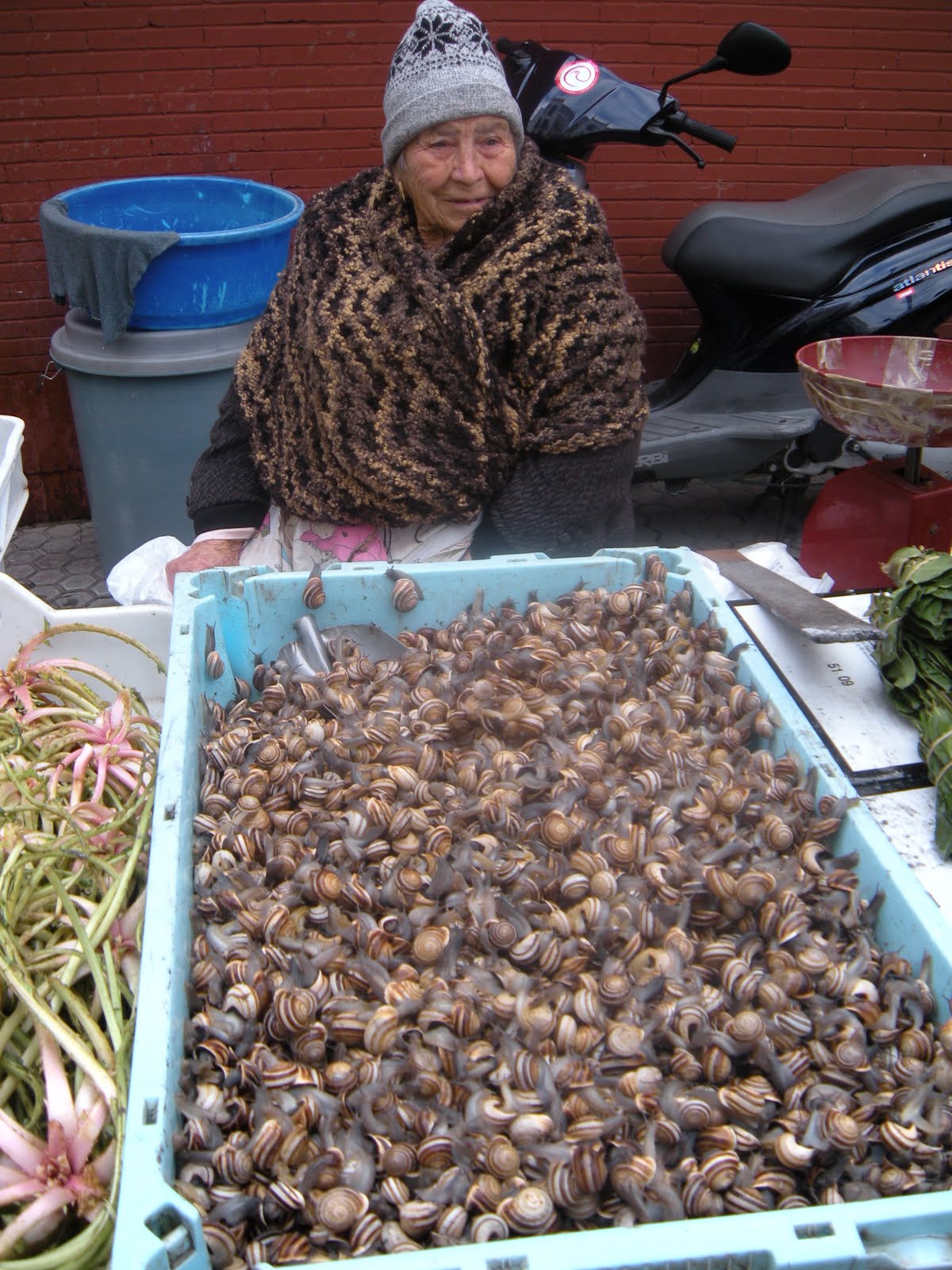
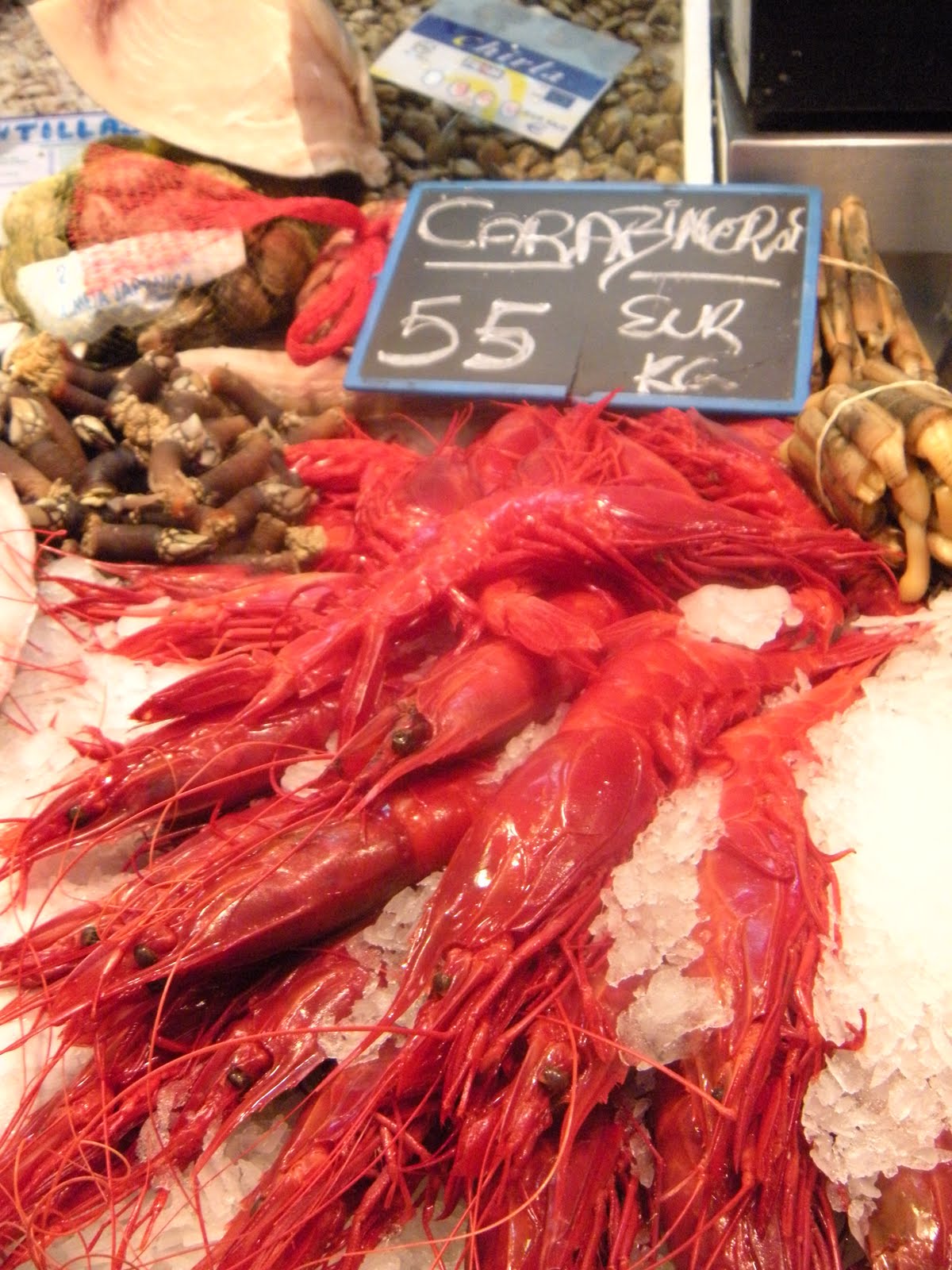
We started out at the market, and decided on a menu of Tapenade de Aceitunas Verdes y Almendras (olive and almond tapenade), Gambas Al Ajillo (prawns in garlic oil), Razor and Regular Clams,  Escalivada con Salsa Romesco (baked vegetables with a vinaigrette and romesco sauce), and Dorada a la Sal (Sea Bream baked in a salt crust). Our sweet was Mantecados, a traditional Spanish powdered sugar cookie. 
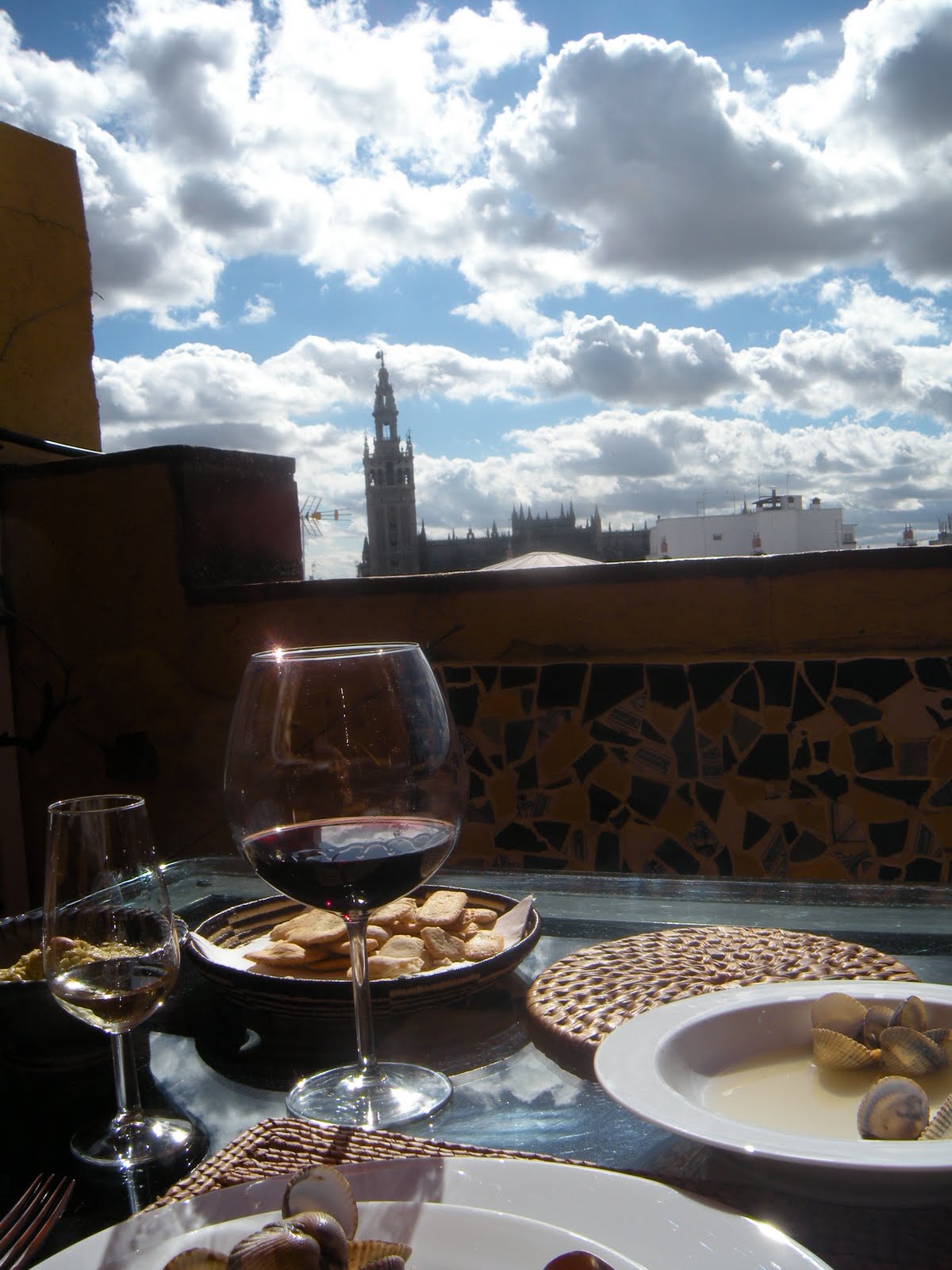
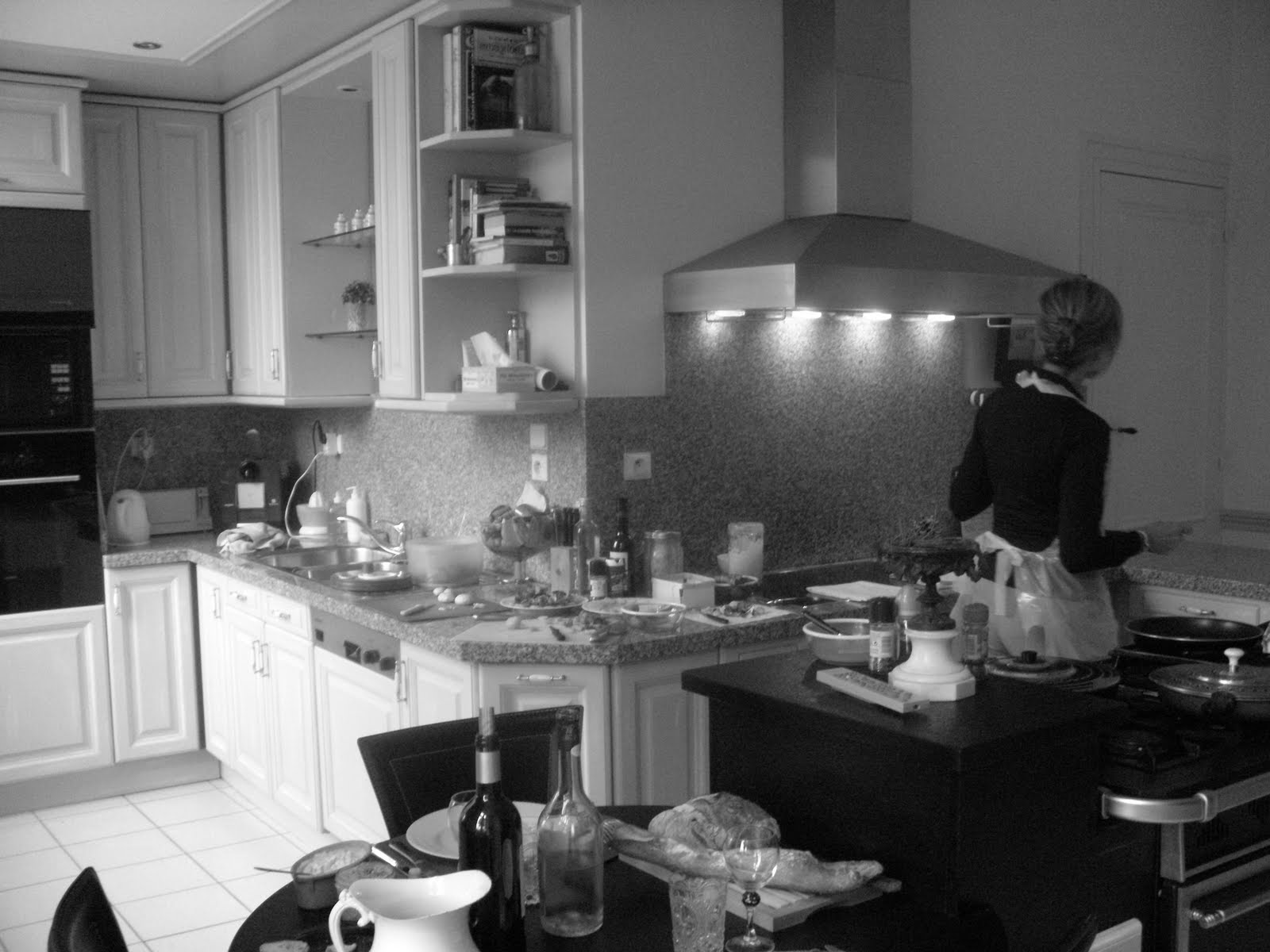
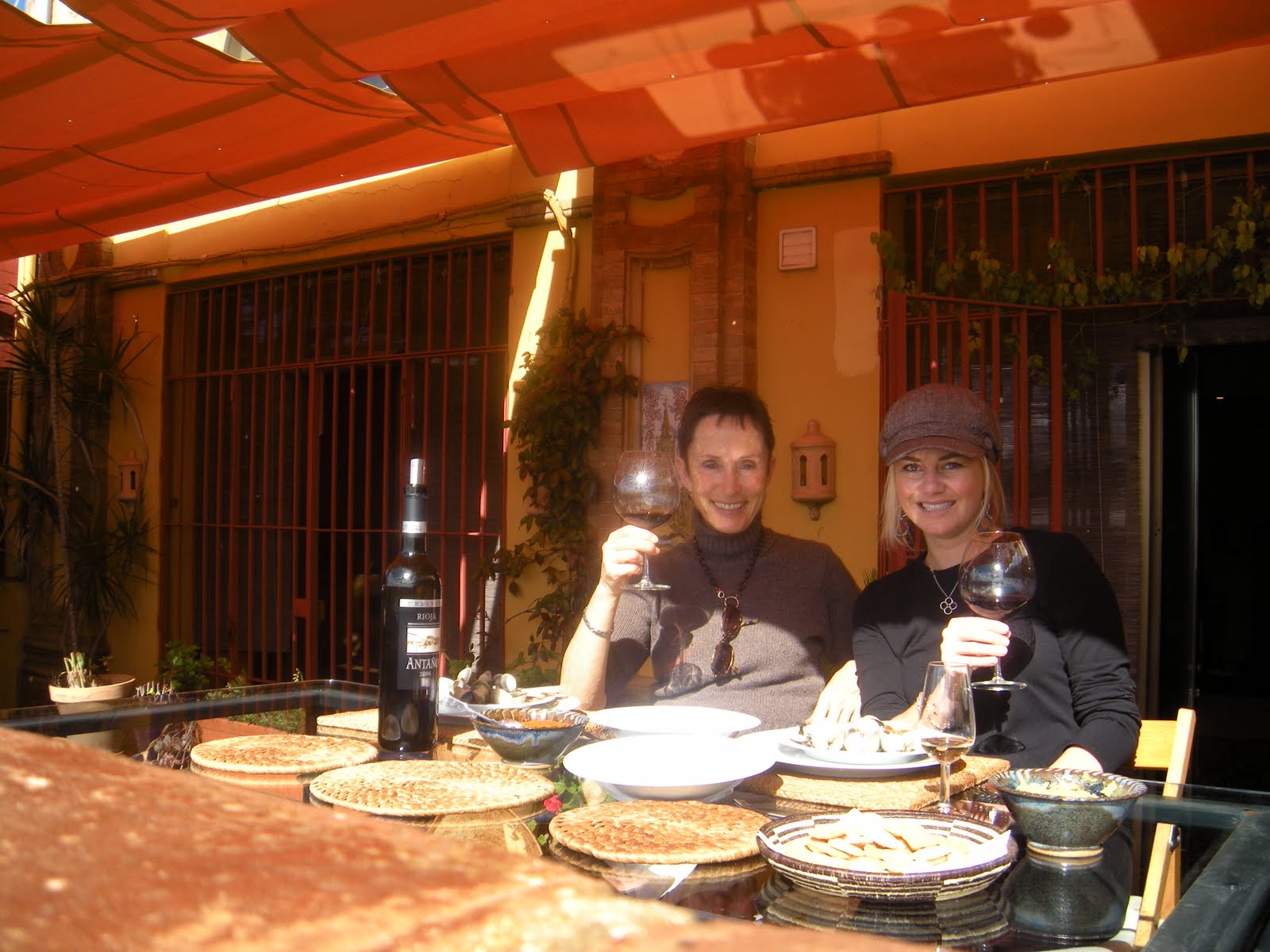
After carting our loot home, we got straight to work in Ruth’s kitchen. Her home was beautiful, and the view was amazing on a day when the sun finally decided to show his face. The cumulus clouds were a perfect contrast to the bright, blue sky, and the skyline a perfect backdrop for our lunch on the terrace. 


Now, for the tips and information:  

  • In Sevilla, they eat TONS of fish. Most of the stalls at the market were fresh fish mongers, and popular varietals include baby shark, cuttlefish, dorada (this is what we made), razor clams, monkfish, hake, swordfish, and more. If you don’t like fish, don’t come to Sevilla. You’ll be bummed!
  • When roasting whole eggplants (or aubergines), prick them before putting them into the oven. If you don’t, it will explode and you’ll spend more time than you care to know cleaning it up.
  • Do you know how to peel a whole, roasted pepper? After you remove it from the oven, wrap it in tinfoil and then in newspaper or a paper back to let it cool. The skin will peel right off. If you leave it out to cool, the skikn will stick back to the pepper.
  • Don’t discard the more tender unused artichoke leaves.  Boil them in water for about 10-15 minutes and strain out the leaves. The resulting water was really refreshing, and it’s good for your liver.
  • To make your own dried herbs, hang them to dry (like you would roses), or dry them in a lower oven. When they’re dry, strip them from their stems, grind them in a coffee grinder (I’ll be purchasing one of these and I hate coffee), and jar them. Fresh, dried herbs for years.
  • To make a proper stock (fish, meat, or veg), you should always start with cold water so the flavor comes out of what you’re boiling instead of getting trapped inside.
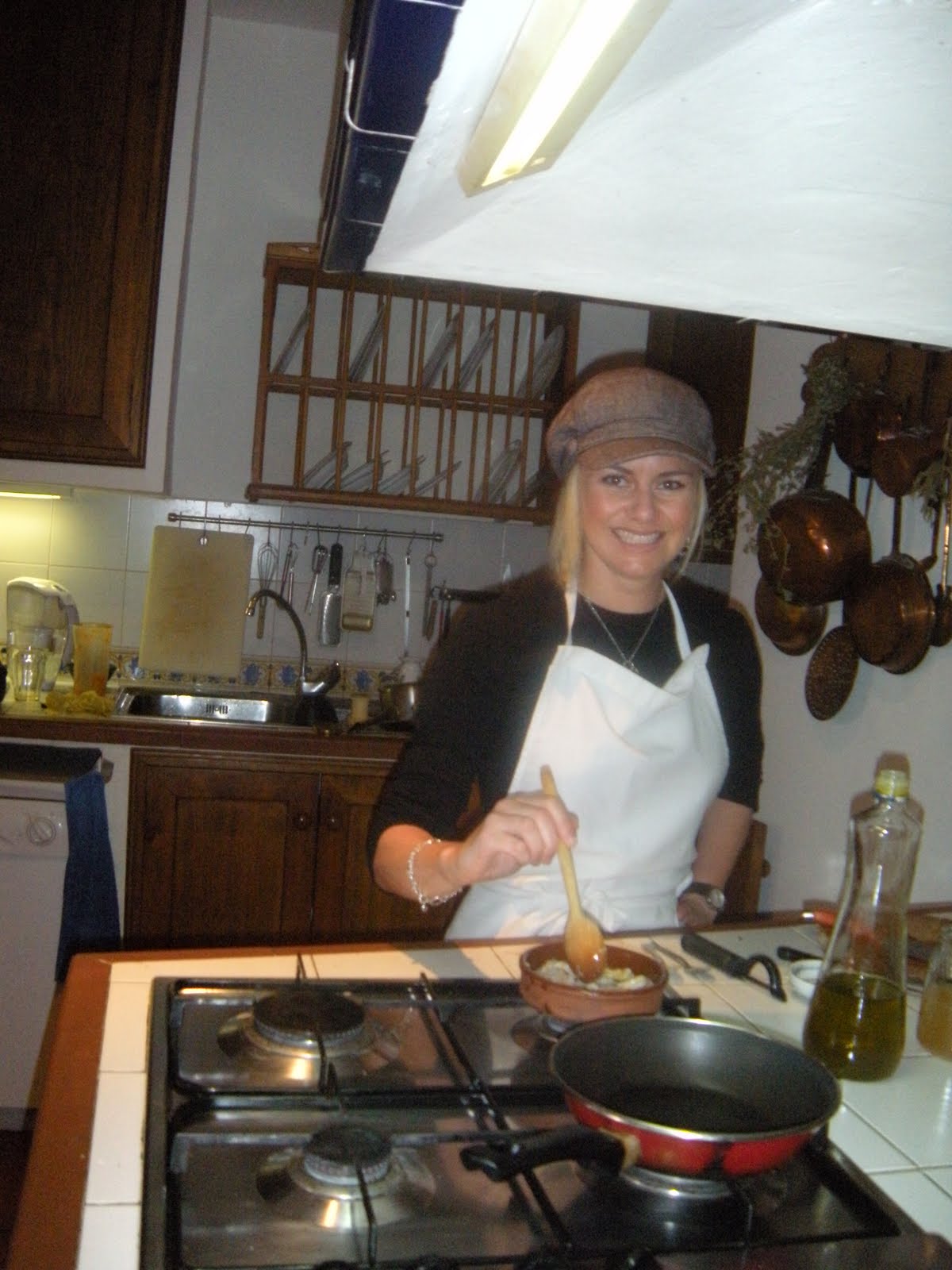
Ok, so that brings me to the end of the tips. As you can see, I learned a lot during this one-on-one lesson about Spanish cuisine, although it was more tailored to the cuisine of Sevilla. Dining on Ruth’s veranda over the meal we put together was phenomenal. Our menu was fresh, healthy, and most importantly, simple (it probably sounds much more elaborate than it was). I wouldn’t hesitate to entertain with this menu because of the speed with which it could be put together. With practice, I could have all of this done in an hour, I suppose.
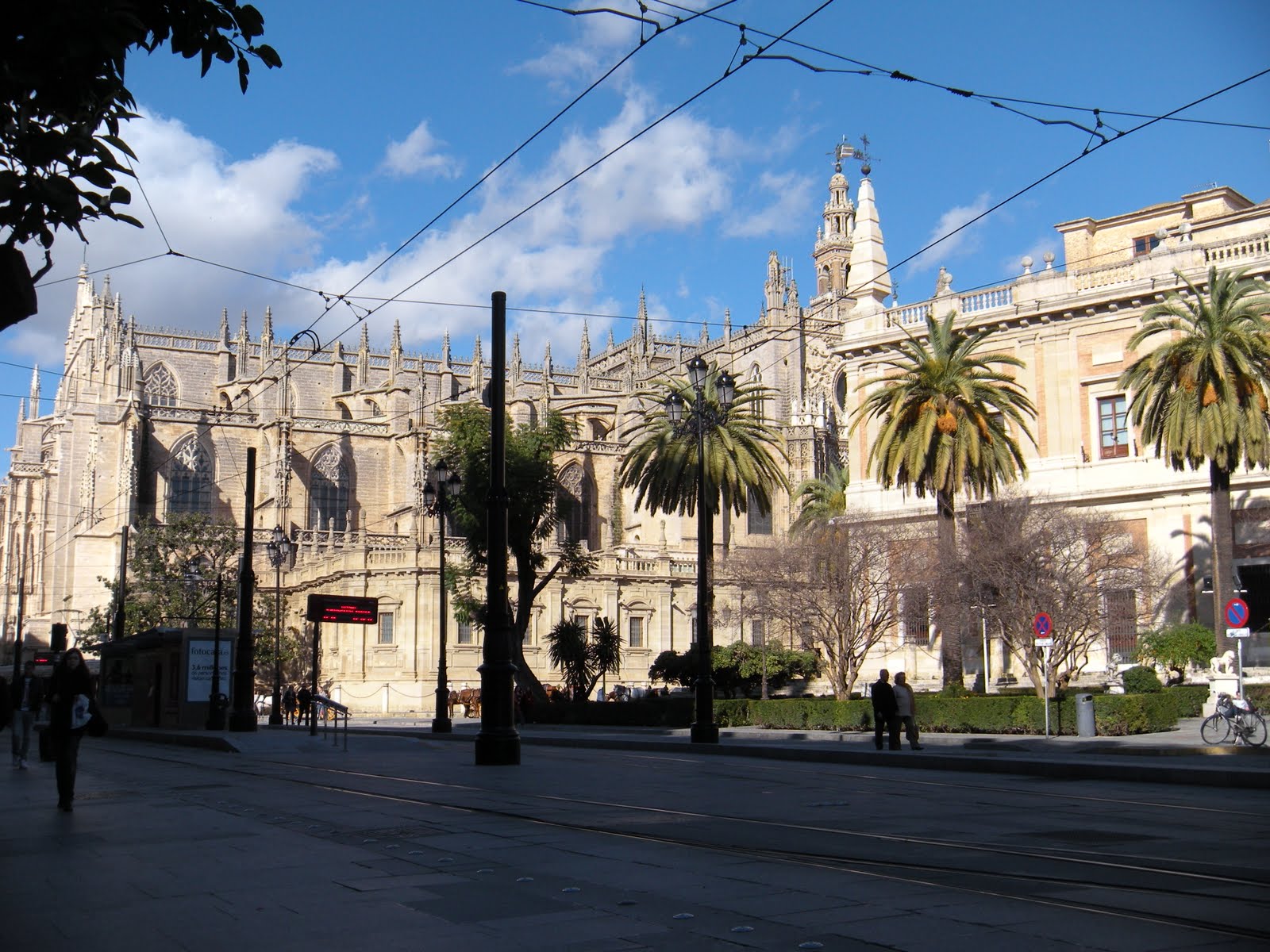
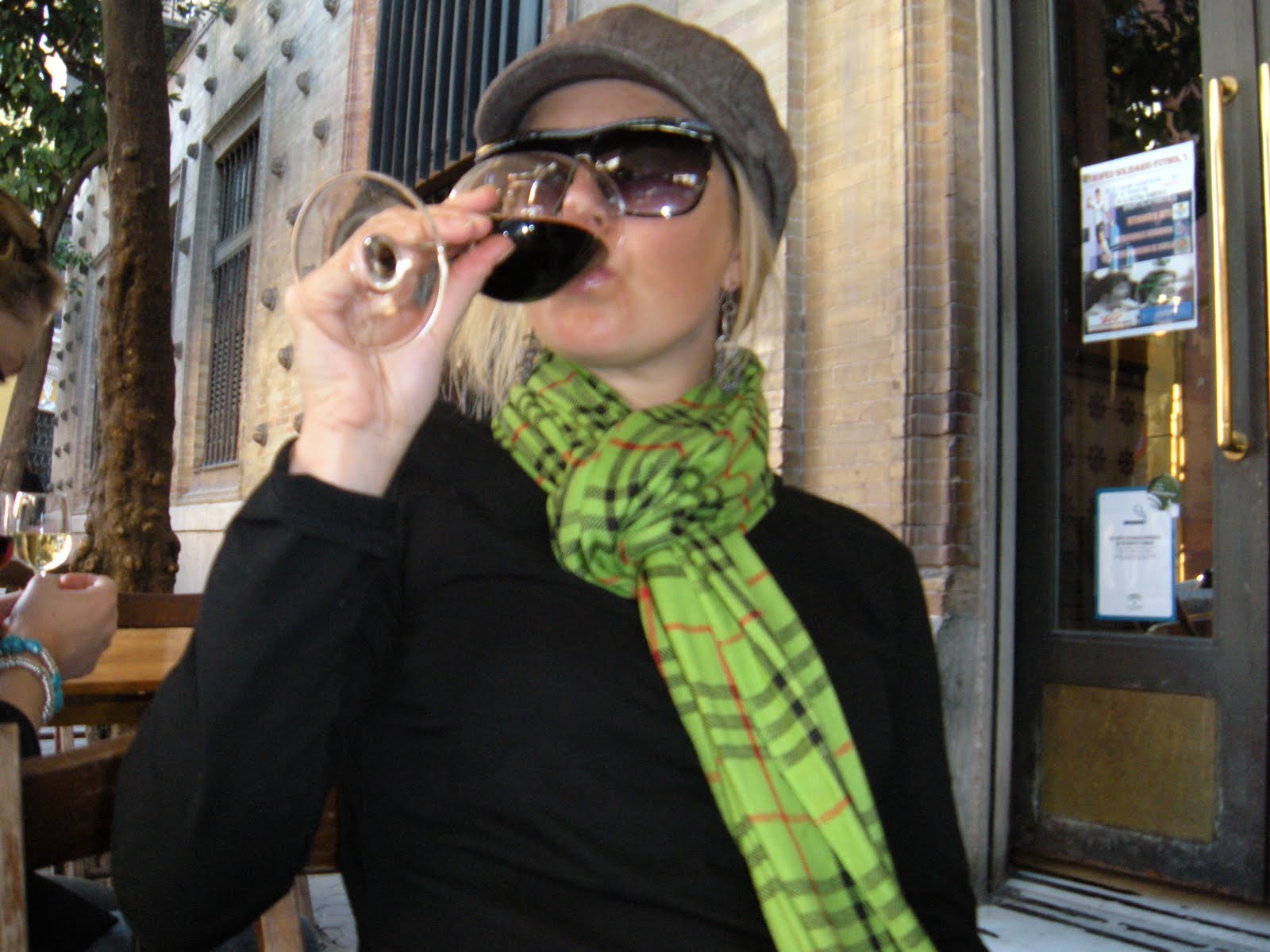
Sevilla is absolutely gorgeous, and I wouldn’t hesitate to come back, although I’d caution you to take note of the weather in summer before booking a trip. Ruth told me today the hottest she’s seen it here is 63 degrees Celcius. I’ll let you decide what that equates to. In the meantime, I’m off to hangout for dinner with the family I’m staying with. After all that food at lunch, I’ve got no clue where I’ll find the room. 

Ruth Roberts- Seville Cooking Class
http://www.sevillecookingclass.com/


Next Stop: Madrid

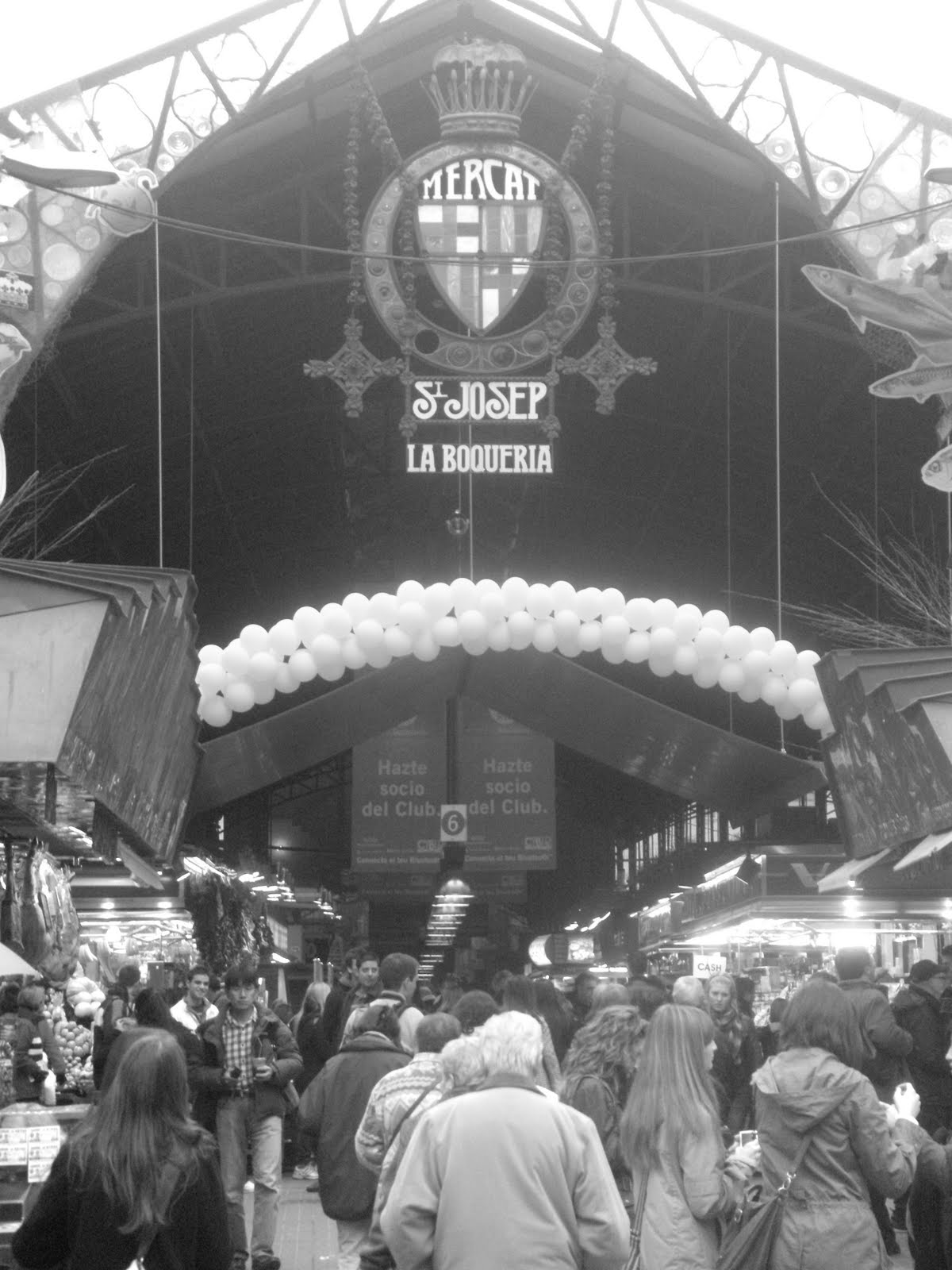
Barcelona’s Boqueria Market

Posted on
Despite having already discussed Barcelona, I decided Boqueria Market deserved it’s own post. And since I’m the boss of this blog, that’s what I’m doing.
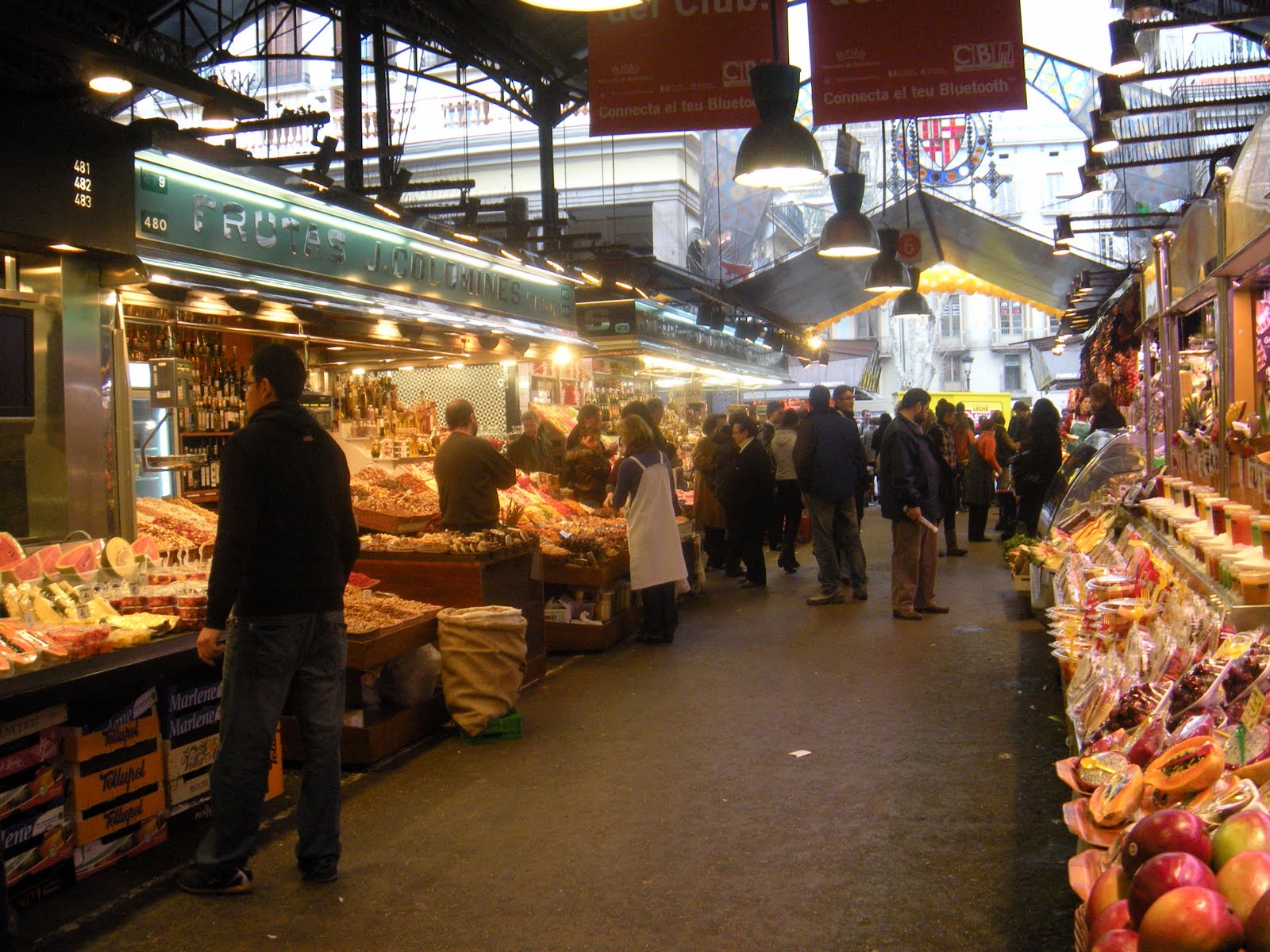
Why, oh why, can’t we have markets like this in America? Why? Boqueria Market makes our farmers markets look like men selling oranges at a dirt junction on the side of the road. They literally had everything here. From gorgeous dried peppers that would make your eyes weep from their beauty (and presumably heat), to candies, nuts, fish, meats, and the most beautiful fruit I’ve ever seen. 

Upon entry, my eyes went straight to a clear, plastic cup of a grass green liquid dotted with dark seeds. It was fresh-squeezed kiwi juice. And it cost €1 ($1.36). I can only imagine how refreshing that juice would have been in the heat of a Barcelona summer. And I wished I had more time there so I could take home some of the bounty and create a feast.

It was fun to take a quick spin around the indoor market, and peruse the different stalls. Sure, a lot of them were slinging the same things, but I’m sure the patrons have their favorites they go back to over and over again. Listen up, Obama…while you’re tackling this health care issue, have Michelle work on instating markets like Boqueria around the country. If people saw what this market had to offer, they’d never eat KFC again.

Cooking Class #3: Co-Queen of the Chateau Cuisine

Posted on
Trains, planes, and automobiles. I’ve logged time in all three this last week, and today was no different. In fact, I’m on train #2 today after spending the afternoon cooking with Suzanne Bourdais at Chateau Lavergne outside of Bordeaux. My train from Paris arrived early this morning. Quelle chance! And after an amazing day in Suzanne’s enchanting French kitchen overlooking the countryside, I should have known my luck was bound to run thin.The train I’m on now from Bordeaux to Toulouse was delayed for whatever reason. Had I been able to hear the announcement over the coughing, flat-topped seatmates of mine, perhaps I could have deciphered the reasoning in French. The only thing making this delay more manageable is the dog standing in the aisle looking longingly for his owner who just went to the bar car. That’s right–dogs are allowed on the trains in France. Pack your bags, Henri…we’re moving.

Suzanne was the most gracious of gracious hosts and more and more, I feel like I‘m winning the Google lottery with the people I‘ve been meeting on this trip. She picked me up from the train station, and we were at her Chateau in about ten minutes flat. We drove in past a small vineyard, a few out buildings (I’d find out later their purposes), and into the porte cochere at the entrance. I would be co-queen of the chateau’s cuisine for the day. “Cuisine” is French for “kitchen” in case you were curious.

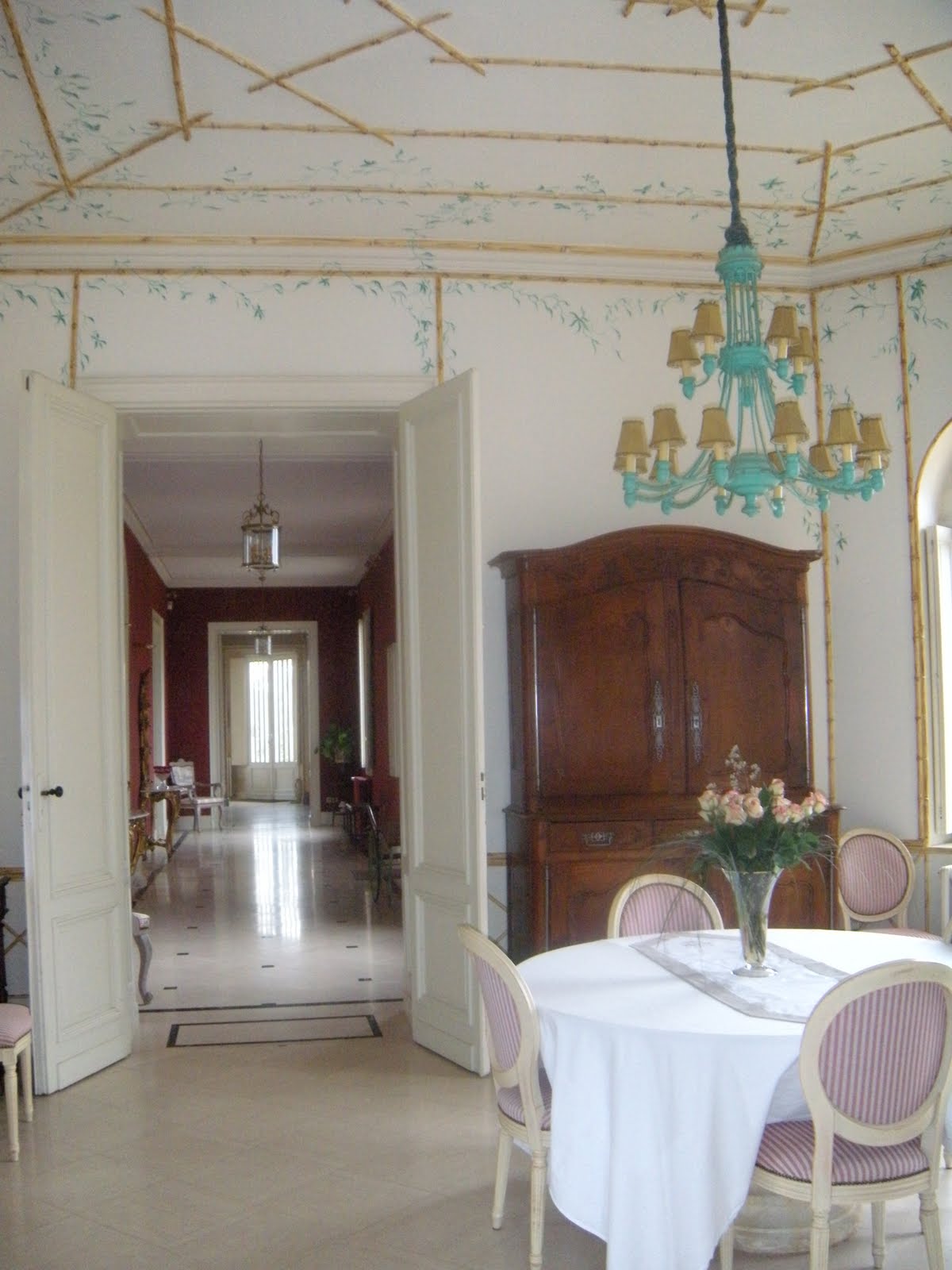
The house was magnificent. It is styled in the manor of Napoleon III from the Second French Empire, which combines functionality with design. As she flung open the door, rooms flowed into adjacent rooms, yet each section had its purpose. It looked like a living museum, although the flat-screen TV was a giveaway that someone resided there. The kitchen, however, was a modern marvel replete with a wood-burning fireplace that stared back at whoever was manning the helm (the stove). Yet the Style Napoleon III was well-preserved in this room as well, as it was in the rest of the buildings on the property. Suzanne has a dedicated building with a demonstration kitchen for her classes, dining space for her students or groups that rent her facilities, an indoor pool, and a rentable space for events. That’s right ladies– you can have your wedding at Chateau Lavergne! Word of caution: it‘s booked about a year in advance.

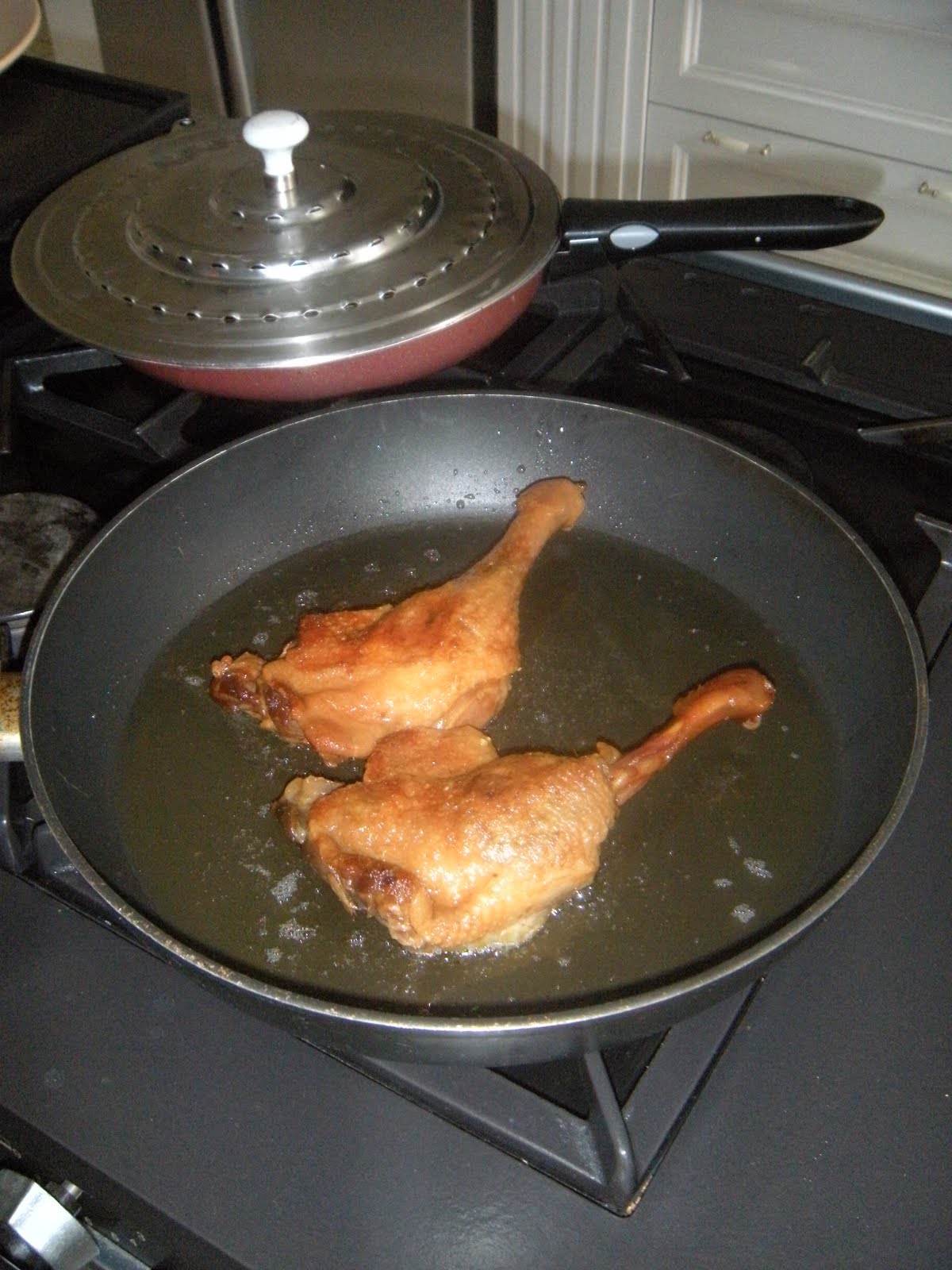
Inside, Suzanne and I put together an aesthetic lunch salad (vous mangez avec les yeux d’abbord) with concentric circles of carpaccio-style potatoes, mache, sliced mushroms, and paper-thin slices of magré du canard fumé (smoked duck breast). We topped it with a homemade vinaigrette. Simple. Marvelous. The duck wasn’t having much luck in our kitchen today because our plat principal also involved the billed species, only this time, we turned our focus to the legs. Suzanne keeps a mason jar of duck fat on her kitchen counter to cook with; I will be keeping a mason jar on mine from this point forward. Over low heat, she cooked the duck legs in fat until they were tender, not dry.

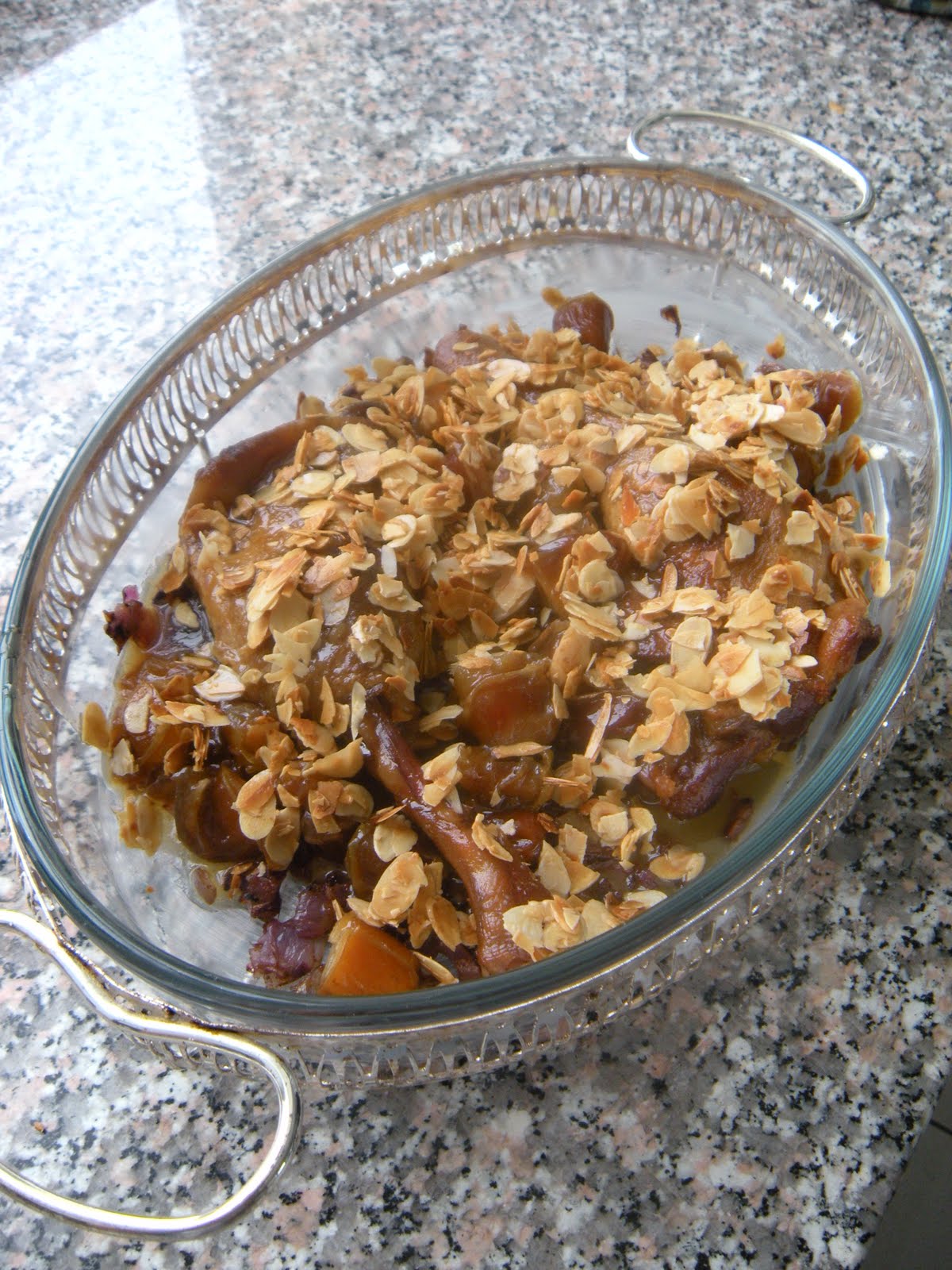
In the meantime, we sautéed diced red onions in butter with a bit of cinnamon. These were so good. They formed the base in our buttered casserole dish, and the duck legs were proudly perched atop. We deglazed the onion pan with a bit of vinegar (stand back, or you’ll get a horrific smelling facial), and added in two tablespoons of honey. This popped a bit at the beginning, so again, another time to be alert so you don‘t get burned. After the sauce reduced and thickened a bit into a carmelized mixture, we added in some chicken stock, dropped in the dates, and poured it over the casserole. We both agreed that had we added more chicken stock at the pan stage, the sauce would have been a bit better consistency and not have thickened up quite so much as we finished the dish in the oven. She prepared a bit of long-grain rice to accompany our chicken dish, however, potatoes or a root vegetable purée would have been nice too. The dish was finished with a sprinkling of toasted almonds, and although mostly comprised of sweet ingredients, was a perfect mélange of salty and sweet.

I think I’ve eaten more duck this week than I have in my life, but in true culinary argumentation, I learned today that duck fat is proven to be fairly healthy. I hope that’s true, because after one week in France, j’adore le canard. We ended our meal with a sheep’s milk cheese from the Pyrenées region of France, quite near Spain. Traditionally, this cheese is eaten with black cherry jelly, and when you enter fromageries in the region, there are jars of the jelly in corresponding displays. I had mine with some of Suzanne’s homemade fig jam, and it was fresh and fabulous.

We washed this all down with a 2005 Bordeaux (excellent year for Bordeaux’s, by the way), and then headed out to the city of the same name to look around before my train departed on a schedule all its own. I guess traveling is a bit like cooking in that you have to be flexible because things don’t always go as planned. I’ll get to Toulouse a bit late tonight, but if I know my friend there, he’ll have sangria waiting for me at the train station (if he hasn‘t finished it all himself waiting).

Chateau Lavergne
Suzanne Bourdais
http://www.chateau-lavergne.com/

Next Stop: Toulouse

Cooking Class #2: Ecole Ritz Escoffier

Posted on
I had my 2nd cooking class yesterday at Ecole Ritz Escoffier. It was abbreviated compared to my course on Saturday, but a great value at €55 and I feel like I learned a lot. It was more demonstration-based than my other class, but also hands-on enough. And while most of the class was conducted in French, which I’m proud to report I understood for the most part, they had another chef translate. Our class consisted of about 10 people, and all but three of us were French. The other two gentlemen were from Mississippi, where I learned that Viking has a cooking school. The Hopscotch may need to head south, it would seem! 
Our menu was Saffron Risotto with Gambas & Parmesan Tiles. What on earth are gambas, you ask? Don’t worry– I asked my French friend the same thing at the lunch table. It looked like a steroidal shrimp, but evidently, it’s probably more closely identified as a crawfish. Where were the men from Mississippi on that one? 
Risotto often scares the daylights out of people. Incidentally, it’s not that difficult, but does require attention. Before I get to that, though, I’ll tell you about our prep work. The nice thing about this course was that our chef focused a bit on knife skills at the start, and after beheading more sea creatures, she taught us the proper way to slice and dice onions. I was pretty elated because my longitudinal/latitudinal method for dicing onions was exactly the way she taught it. What I didn’t realize was that inserting the knife and pulling it towards you makes things ten times easier (instead of rocking forward and pushing down), and also reduces the amount of gases released, which results in onions making people cry. It was a tear-free endeavor. 
After we got everything prepped, we moved over to the stove. Here, we sauteed red onions in olive oil, and salted them so they would sweat. After, we added in the dry, Arborio rice, and toasted it for a bit before adding a rather large jug of white wine (the pot was the size of a traditional paella pan). That reduced, and after, we ladled in chicken stock until it was absorbed, and then finished by seasoning it with salt, pepper, and saffron, and binding it with parmesan cheese. The entire process took about 20 minutes from raw Arborio rice to al dente risotto.
Quick tip: If you’re pressed for time and would like to have risotto at dinner, you can fast forward the cooking by making it earlier in the day. Count for eight minutes after the first ladle of stock, and remove it from the heat and let it cool down. This will result in carry-over cooking. To finish it just before you’re ready to serve it, put it back on the stove and add additional ladles of stock for six minutes. This means you’re only standing at the stove for six minutes before dinner instead of eighteen.

In the background, other students made parmesan tiles for the plating. I’ve made these before, and they’re a simple and elegant way to dress-up a plate of food. You simply spread grated parmesan cheese in thin clusters on a baking sheet lined with parchment paper, and bake it at 400F for about five minutes. Remove them from the oven, and before they cool, remove the tiles with a flat spatula and form them on something round, like a bottle of beer. As they cool, they’ll hold their shape, and they’re an edible accoutrement to any plate.
After we learned the proper way to plate our risotto (you eat with your eyes first), we were whisked into a cute little dining room where we nestled in and ate. There was red wine, white wine, sparkling water, and still, and for those caffeine-initiated people, coffee after. It was so much fun to chat in French with the rest of my class (minus the Mississippi men…they were at the other end of the table, so I represented the Francophile U.S.). All in all, the class lasted about 1.5 hours, and after chatting through lunch with an older French gentleman who received the class as a Christmas gift from his son, I said my goodbyes and purchased a gold whisk keychain from the school. 

For a day, I was a student at the famous Ritz. Pretty glamorous, huh? 

Ecole Ritz Escoffier
www.ritzparis.com


Next Stop: Cooking Class #3 at Chateaux Lavergne in Bordeaux Tomorrow

Cooking Class #1: Brangelina. Broccoflower. And Sausage Cheese.

Posted on

Paris is literally bustling around me right now. A certain someone suggested I head to Place de la Concorde and type my next blog from here. So, here I am…sitting in the park off Place de la Concorde (I opted out of dodging traffic to get to the fountain) writing. It’s a clear and brisk day in Paris, but the sun keeps making an appearance. Sitting on park bench being flanked by Hotel Crillon to the left, where my new favorite cookbook is from, and the Eiffel Tower to the right is hardly torture.


Yesterday, I survived my first cooking class in Montmartre. I woke up and walked down to the Jules Joffrin metro to meet up with my class, and found my instructor (from Los Angeles) with her green shopping cart, three other Americans, and two Aussies. It was a fantastic group! We got started right away on a super market sweep like that of my last blog post, only this time, our Sherpa provided tons of inside information, truly breaking down the last bit of apprehension that any of us had shopping in this style.

We visited a traditional boucher where we bought our meat (we also stopped for a brief moment in front of a horse meat butcher…there are only about 40 left in Paris), a cheese shop where we learned about the layout of the store (it’s intentional…the strongest cheeses are kept at the front for ventilation reasons), a fishmonger, a fruit and vegetable market, and finally, a boulangerie with an oven so old, when it breaks, the stores closes down for weeks at a time while the part is retrieved from some obscure place in France. The bread was to die for.

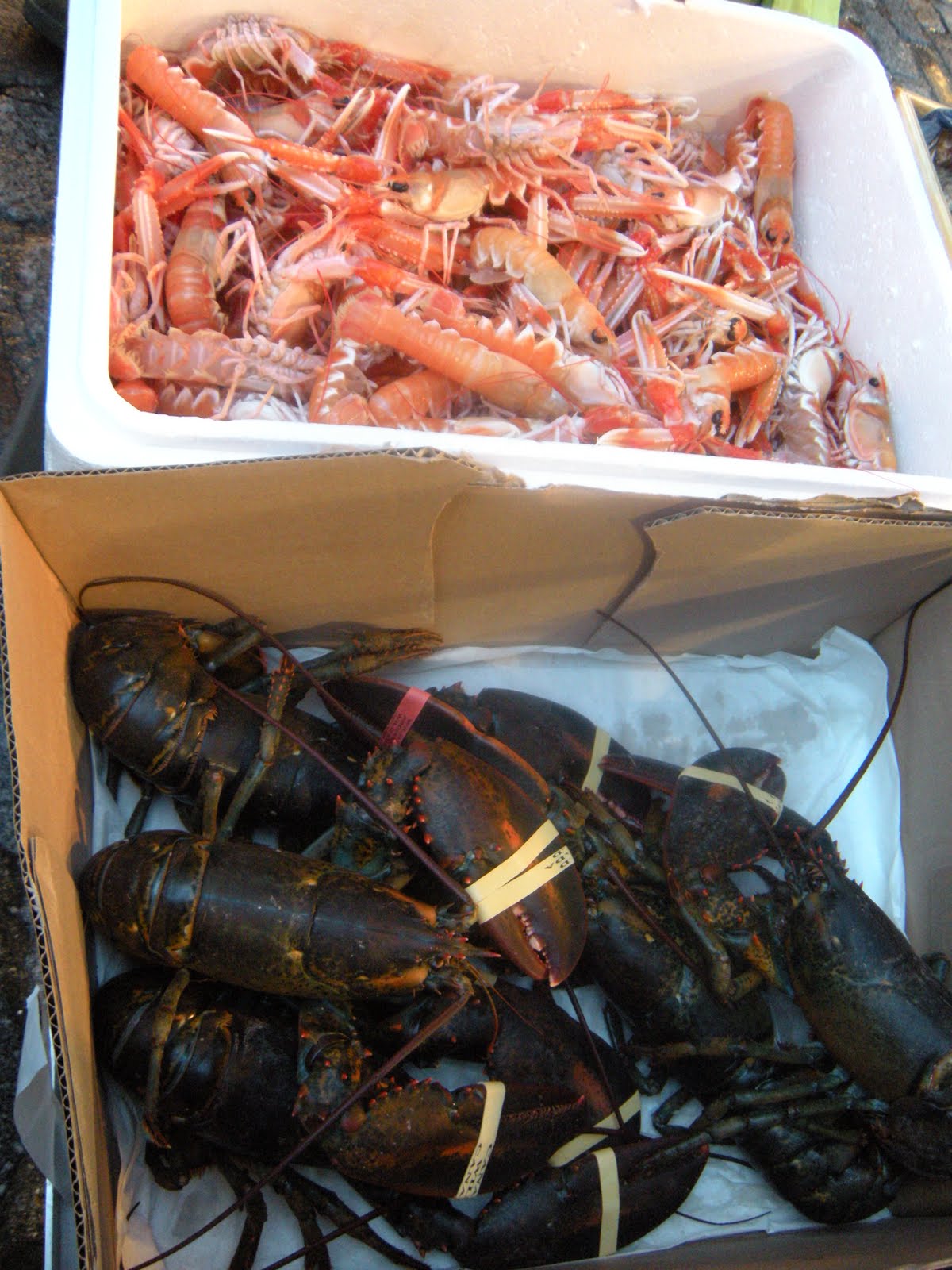
The menu was completely up to our group, and we decided on some things that were outside of our cooking comfort zones. To start, we beheaded and cleaned langoustines, and removed the nerve and egg sacks from fresh scallops. We seered the scallops and sautéed the langoustines, and served those with a confit of fennel and onions, alongside a sauce we made from the langoustine shells and cream (have no fear– we strained them out). Delicious.


Our main meal was constructed from lamb shoulder. As I mentioned before, it’s cold in Paris (it actually snowed during class yesterday), so a stew was the way to go. We browned the lamb, and deglazed the pan with Calvados, an apple liquor, and then into the pool went onions, shallots, carrots, garlic and white wine. The stew simmered for about two hours while we got busy with other things, like the celeriac puree and sautéed romanesco served alongside it. If you’re not familiar with romanesco, check out the picture. It tastes like a cross between broccoli and cauliflower, and is sometimes aptly called, broccoflower.

For our second protein, we chose duck breast, since most of us weren’t familiar with how to cook it. We cleaned up each piece of meat, including trimming away some of the fat and scoring the fatty underside so the fat didn’t bubble up and pucker. Then, we browned them in a dry pan; you wouldn’t believe how much fat rendered off each one. They went into the oven for about seven minutes to finish cooking, resulting in medium rare duck that we served with a red wine reduction. The fat was so crispy and delicious, and the duck tender and mild. It was, in most of our opinions, the star of the show, and I will never shy away from making duck again.

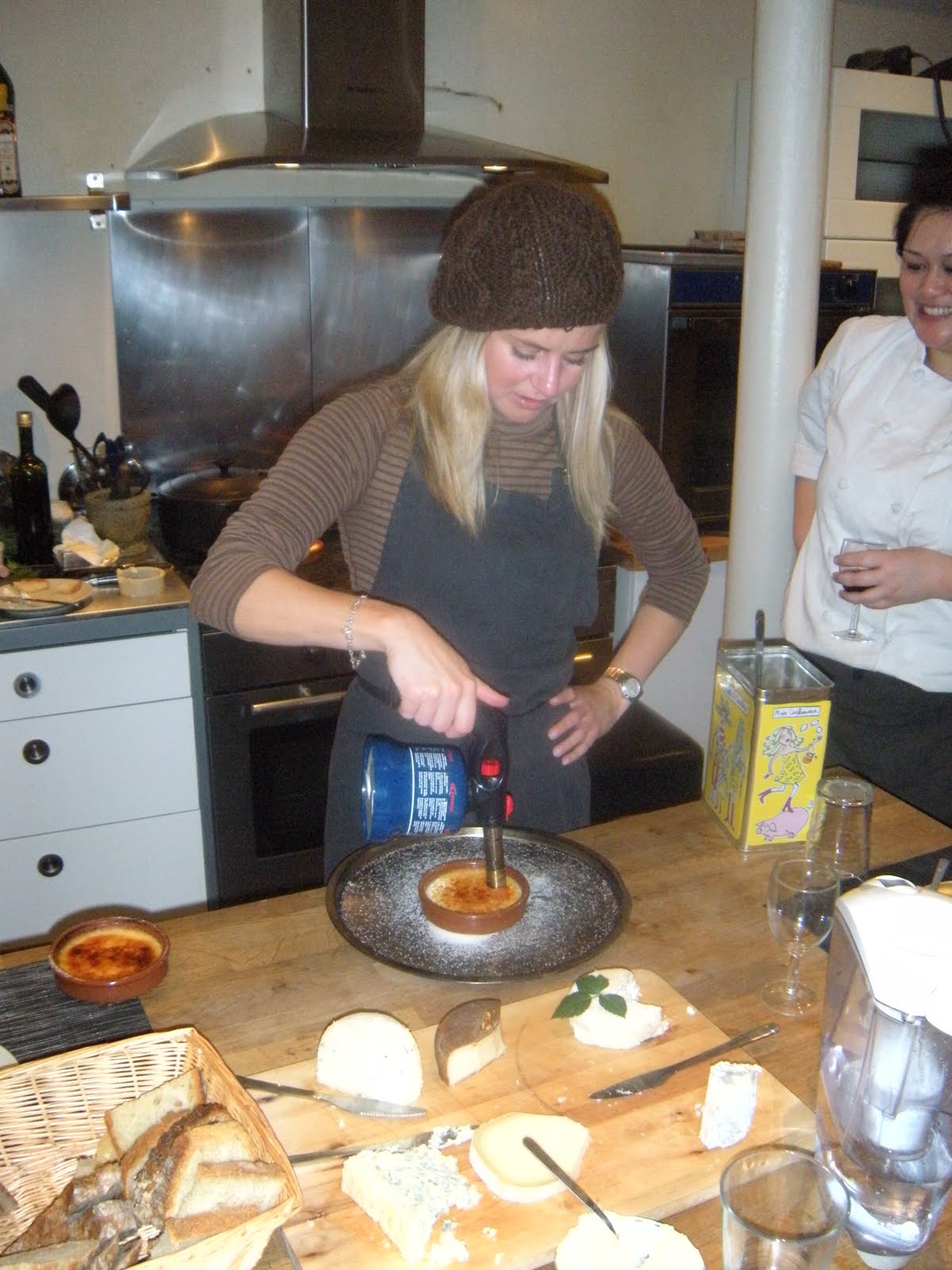
While the stew simmered in the background, we polished off our starters, but not before we separated eggs and extracted vanilla beans for crème brulee. Wowsers. I don’t know what was better: eating it or getting to torch the top. Who says cooking isn’t fun? We also learned about the cheeses we had selected, and the order in which to eat them. It seems rather obvious, but some people forget that you should always eat your strongest cheese (in our case, a bleu) last. That way, the fortitude of the flavor doesn’t alter the taste of the other cheeses. We enjoyed these with our breads from the boulangerie.

I honestly don’t think I have ever eaten so much in my life. There was wine and champagne involved too, and lots of great conversation about Paris, culinary delights, restaurants, Costco, celebrity chefs, and the lives we lead elsewhere. After class, a few of us popped up to the Sacre Coeur to walk off our lunch. It was beyond necessary. The views over Paris from the butte were magnificent, much like our lunch was, and I had fun showing a few of my new friends around Montmartre.

While I knew a lot of what was taught, I also learned a lot in this class, chief among them not to be timid of new ingredients. Adventure is part of a successful kitchen experience, and being able to adapt and roll with the punches is a lesson for life. 

Cookn with Class
18th Arrond.- Montmartre
€160/4 Hours Including Market Tour

www.cooknwithclass.com


Next class: Tuesday at L’Ecole Ritz Escoffier

So Long, Farewell

Posted on

I’m sitting on my flight right now typing this from a window seat. My carry-on was ever-so-slightly too tall to fit in the overhead bin despite two men trying to help me, and it was because of a pair of socks or something equally squishy and ironic. 

Neither of these things are characteristic of my travel style, so a mini panic attack ensued that consisted mainly of my face turning red when she asked whose bag it was. When carrying it to the front of the plane to have it checked, however, the flight attendants on AA 484 let me put it in the crew baggage/closet area onboard. I didn’t say much. Just a brief lament about how on this very same route a few years back, my bag didn’t make it, and then I giggled at the irony. I think they could sense my distaste for checked luggage because they asked me for my bag and told me it was our secret.

When we took off backwards from SNA, a tear rolled down my cheek, which is also not characteristic of the titanium exterior I like to uphold. But I could see all of Orange County from said window seat, and realized, “Holy hell, I’m not going to see this place for awhile.” Cue Pussycat Dolls ‘I Hate This Part Right Here.’ Leaving this morning was no better. I had to say bye to my parents, my animals (I never did find Tommy to say bye to him), and Brady…the human version. After having his car backed into by a lime green VW Bug when he pulled up, I couldn’t help but thinking it was symbolic. Was this his way of telling me he was smashed I was leaving? These are the types of things I think about when I’m trying to distract myself from getting all worked up. It didn’t work.

It’s hard to believe I’m on an airplane right now bound for a place 12,000+ miles away. For the longest time, this day seemed like it would never get here, until this week, when I could see it on the horizon and wished it was off in the distance somewhere (kind of like the ground from this airplane right now). I feel anxious, excited, sad, eager, manic, confident, and like I could cry at any minute. Does anyone have a Xanax handy? Seat 11E is open next to me, and there are a variety of people I wish were sitting in it. The reality is, I’m flying solo. And I’ve got a lot of days, hours, and minutes to fill before I’m sitting next to someone on my return flight home from Istanbul.

The beverage cart is approaching, and I’m going to grab some water and hydrate. It’s going to be a long flight to CDG from DFW, and I’m hoping the two aisle seats flanking my middle one (yet another move I never make) are open so I can sprawl out for the flight. After a trip to the Admirals Club for my requisite red wine and Tylenol PM cocktail, I’m going to put January 28th behind me. I always say I don’t like even numbers, and I’ll be honest– I’m not a huge fan of this day. Perhaps, that’s why I’m returning on lucky number 13 (of May). Finally, something that makes sense!

Up, up, and away…Project Culinary Hopscotch is underway.

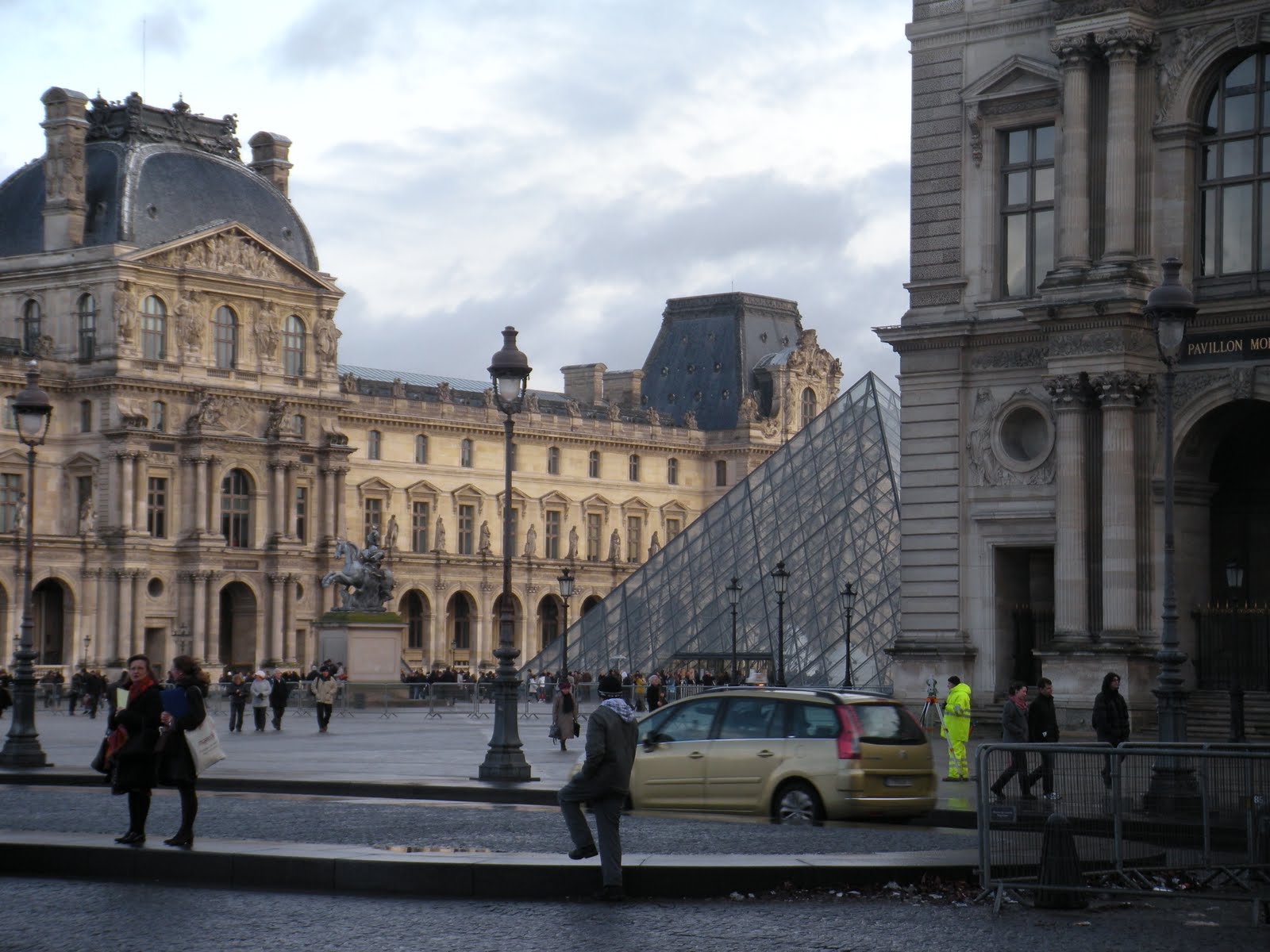
Destination #1: Paris

Posted on

January 29th- February 4th, 2010